What Does Greed Mean?
 Greed- extreme desire for material wealth
What Does Greed Mean?
Definition
At its core, greed means an excessive desire for more money, material possessions, status, or power than one reasonably needs—often ignoring fairness or causing harm to others. It's an overwhelming urge to acquire and possess without limit.
Three things define greed:
1-It's always negative in tone
2-It involves wanting more than one's proper share
3-It puts selfishness above moral values.
Hoping to improve your life is natural. Greed is when that desire becomes extreme, obsessive, and completely detached from real needs.
Signs of a Greedy Person
Signs that excessive desire (greed) has taken hold include:
- Chronic dissatisfaction despite having enough
- Endless reformulation of wants after needs are met
- Willingness to exploit others for personal gain
- Arrogance and the assumption that others exist for one's benefit
- Fear and anxiety about losing possessions
- Envy that poisons relationships
- Prioritizing wealth over relationships, health, or ethics
Consequences of Being Greedy
Level Consequences
Personal: Chronic dissatisfaction, damaged relationships, lost trust, burnout, legal troubles
Relational: Broken families, isolation, exploitation of friends
Societal: Increased inequality, corruption, institutional decay
Spiritual: Distance from God, loss of grace, hollow existence
Where Does Greed Come From?
Greed originates in the deeper restlessness of the human heart—a fear of scarcity, insecurity about one's place in the world, and an attempt to fill an inner emptiness with external possessions. The temptation to acquire more than we need seems hardwired into human nature, though culture and circumstances amplify it.
Greed vs. Healthy Ambition
Not every desire for more money or success qualifies as greed. Ambition can be positive when it respects ethics and others’well-being. The difference lies in intent, boundaries, and impact.
Ambition seeks growth while adding value to the world. Greed or excessive desire seeks more for its own sake. Ambition accepts that “enough” exists. Greed never does—it's an extreme desire that keeps reformulating wants after every need is satisfied.
Telltale signs of a greedy person include: lying for gain, exploiting workers or customers, obsessing over wealth accumulation, and feeling bitter envy when others succeed. Most people feel occasional envy, but greed turns it into a driving passion.
Greedy Person: The more I have, the more I want.
Greed: One of the 7 Deadly Sins
Understanding greed's place among the deadly sins reveals why spiritual traditions treat it as fundamentally corrosive to the human spirit.
What Are the 7 Deadly Sins?
The seven deadly sins in Christianity are pride, greed, lust, envy, gluttony, wrath, and sloth. Medieval theology identified these as vices so serious that they lead to spiritual death and eternal damnation if unrepentant. Each represents a disordered, excessive desire that pulls people away from God and a proper relationship with others.
What Makes Greed a Deadly Sin?
Greed—known as avarice or the Latin “avaritia”—is a deadly sin because it represents an excessive desire for material gain that can never be satisfied. It creates a state of chronic spiritual hunger. As philosopher Meher Baba describes greed as “a state of restlessness of the heart… craving for power and possessions where partial satisfaction only fans the flame of desire rather than quenching it."
This craving distorts a man's life, making acquisition the central purpose rather than love, service, or a connection with God.
Why Is Greed Known as the Root of All Evil?
The phrase comes from 1 Timothy 6:10: “For the love of money is a root of all kinds of evil.” Note the precise words—it's the excessive love of money, not money itself, that spawns other sins. This covetousness leads people into deceit, violence, and betrayal. When wealth becomes the ultimate god, every other moral consideration becomes negotiable.
Greed and The Ego
The ego plays a central role in the operation of excessive greed. It inflates a sense of self-importance, creating an arrogant assumption that others and things exist for one's own benefit. This ego-driven restlessness produces the “never enough” cycle: each act of obtaining temporarily satisfies the ego, only for it to demand more. True contentment threatens the ego's dominance, which is why excessive greedy people often resist generosity—it feels like losing.
What Is Spiritual Greed?

Spiritual greed extends beyond material possessions to include craving divine favor, spiritual power, fame, or immaterial goods in insatiable ways. Often there is an absent of appreciation for what one has. This yearning for more, without a sense of gratitude, creates a cycle where no amount of spiritual enlightenment seems enough. Much like a greedy person who always wants more without savoring what they have, a spiritually greedy person constantly seeks more divine wisdom and experiences.
This insatiable quest can lead to a sense of entitlement, where individuals feel they deserve an abundance of divine love and wisdom at all times. This entitlement encourages self-centeredness, as those who are spiritually greedy prioritize their personal spiritual gains over authentic connections and humility. Instead of promoting spiritual growth, this mindset ensnares individuals in a cycle of insatiable spiritual desire, always yearning for more but never feeling fulfilled or guided by the Holy Spirit.
The notion of always needing more in spiritual practices mirrors a broader cultural mindset that values accumulation over contentment. True spiritual maturity, however, is rooted in humility and contentment. Understanding spiritual greed helps us appreciate our existing spiritual blessings and cultivate a more grounded and fulfilling practice.
Spiritual Greed and Physical Greed
 Excessive desire to attain more spiritual wisdom and more money to satisfy selfish needs.
Both spiritual and material greed involve an unquenchable thirst, but they manifest differently in our lives. Spiritually greedy individuals often compromise their moral values to pursue their ambitions, ignoring ethical boundaries in their quest for more. This ethical compromise mirrors the behavior of those driven by material desires, who constantly seek more money, power, and possessions.
Avarice is characterized by an excessive desire for physical possessions, leading to dissatisfaction and a sense of emptiness despite accumulating material goods. In contrast, true spiritual fulfillment is found in meaningful relationships, compassion, and ethical living rather than in the accumulation of spiritual experiences. Detaching from material possessions can help individuals enjoy them without being controlled by desire, fostering a healthier relationship with material things.
Many religious traditions emphasize that real happiness comes from promoting justice and contributing to the well-being of the community rather than accumulating wealth. Understanding the differences and similarities between spiritual and material greed helps individuals navigate their spiritual journeys and avoid pitfalls.
Overcoming Self-Centeredness in Spiritual Practice
Self-centered behavior is a hallmark of spiritual greed, where individuals prioritize their own desires over the needs of others. This self-centeredness often manifests as a lack of empathy, with spiritually greedy individuals showing little concern for the feelings and well-being of others. This behavior is detrimental to genuine spiritual growth, which requires compassion and connection with others.
Overcoming self-centeredness begins with acknowledging its presence and feeling remorse for selfish tendencies. This acknowledgment can be facilitated through prayer and personal reflection, filling one’s mind and heart with the teachings and love of Christ. Focusing on Christ’s greatness and the joy of knowing Him shifts focus from self-centered desires to a community-oriented and compassionate approach.
True selflessness emerges when individuals celebrate their relationship with Christ, prioritizing His recognition over their own. This shift from personal gain to love, compassion, and community-oriented values is a key moment of spiritual growth, helping individuals overcome the pitfalls of spiritual greed.
The Role of Humility and Contentment
Humility is key to overcoming spiritual greed and fostering gratitude. Pride can lead to spiritual blindness, but humility opens the door to experiencing God’s instruction and developing a deeper appreciation for His gifts. Seeking God through His Word provides clarity in understanding oneself and achieving both humility and contentment.
Contentment fosters satisfaction and reduces cravings, making it essential for overcoming spiritual greed. The pursuit of spiritual wealth without contentment can lead to maladaptive behaviors and hinder true spiritual growth, causing doubt and fear in one’s journey. Excessive spiritual greed can also lead to significant emotional suffering, including anxiety, depression, and a feeling of emptiness.
Unlike material wealth, which is finite and can lead to anxiety over loss, spiritual wealth is limitless and can provide deep personal fulfillment independent of external circumstances. Recognizing the importance of gratitude for the divine gifts already received is key to overcoming spiritual greed. Incorporating loving-kindness meditations can help shift focus from self-centered desires to compassion for all beings.
Recognizing True Spiritual Fulfillment

True spiritual fulfillment is often elusive for those driven by spiritual greed, as their desires seem unquenchable. This insatiable quest leads to a superficial understanding of spiritual fulfillment, where individuals are rarely satisfied with what they have achieved. Instead, they experience a disconnect between their self-worth and their spiritual pursuits, resulting in psychological distress.
True contentment and fulfillment are rooted in humility, which allows individuals to understand their true nature and foster a deeper relationship with the divine. An accurate self-assessment of one’s heart and soul is essential for cultivating humility and enhancing love and obedience towards God. A humble heart, characterized by a sincere recognition of personal sinfulness, brings individuals closer to God's presence.
Christian teachings suggest that ultimate fulfillment is achieved through faith in God rather than through material wealth in this world. Recognizing the true source of fulfillment helps individuals move beyond superficial quests and find genuine happiness and peace.
Practical Steps to Combat Greed
Combating greed begins with developing awareness through meditation. Meditation helps reduce attachment to desires and fosters a sense of inner peace and contentment. Practicing acts of kindness and generosity, such as helping others or volunteering time, directly counters the tendencies of greed and promotes a sense of community.
Practicing self-love emphasizes pursuing eternal joy while fostering happiness for others.
Incorporating these practical steps into daily life can help overcome greed and lead to a more genuine and fulfilling journey. By focusing on inner growth and community-oriented values, individuals can achieve true spiritual maturity and contentment.
The Story of the Greedy Man
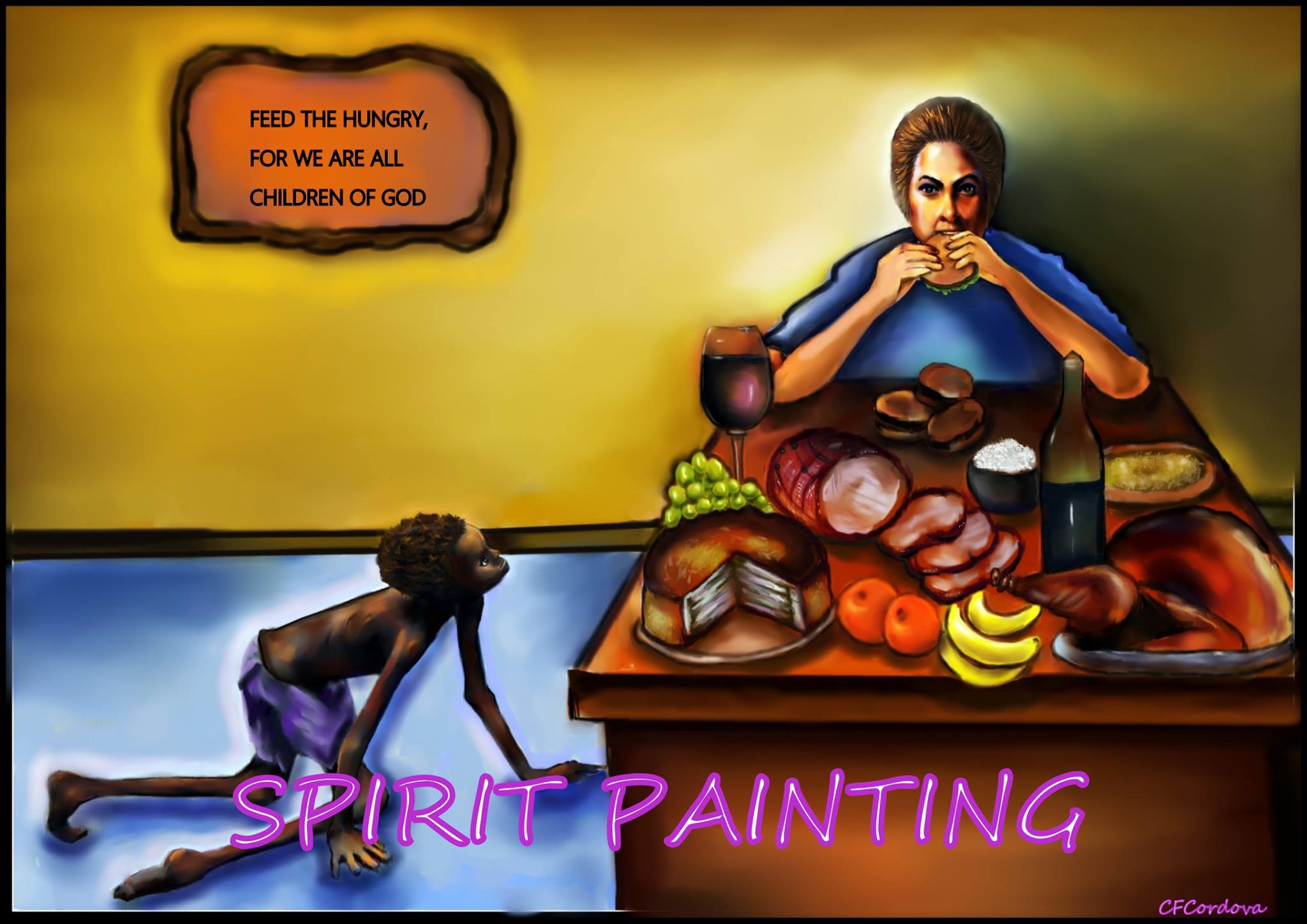
One day, God appeared to a poor man who was sleeping on the road. The man woke up startled when he saw God standing near him. Although the man did not know that it was God, he felt that the man was a divine being.
"James, my son, I want you to do me a favor. I want you to take care of my land. I will be going on a faraway journey and do not know when I will be back,” God said.
"How do you know my name?” James asked.
'I know everything,” God replied.
Unsure whether God was serious or joking, James chuckled and said,“Okay.”
When God took him to the designated land, the man was enthralled by its immensity and abundance. By then, he was convinced it was no joke and gladly accepted the position God bestowed upon him.
Many years passed without a word from God. James was convinced that God would never appear. He went from being the caretaker to the owner. Whenever he contemplated the land's richness, he would whisper to himself, "This is all mine... mine... mine." He continued to enjoy the land without sharing it with anyone, forgetting the compassion, love, and generosity God had given him.
It was a beautiful, sunny day, and James was standing on his front porch, gazing at the richness of the land. Suddenly, a man appeared. He was filthy and emaciated. Not far from where he stood, he could see a woman and some children.
"Sir, we have been traveling for many days without food or water. We noticed this land of plenty and wanted to know if we could take some water from your well and some fruit from your trees,” the man said meekly.
Looking at him with disgust and disdain, James began to yell at the man. "Enough, enough... You disgusting, filthy dog. Get off my property now and never come back. If I see you here again, it will be your last day on earth!”
Hurt and humiliated, the family walked away.
After several years had passed, a severe drought struck the region, drying everything up. James was forced to abandon the land because it was impossible to survive in those conditions.
James walked for many days without water or food. He was also dirty and foul-smelling. As he continued to walk, his body grew weaker and weaker. He felt that without water or food, he would not last another day.
Stopping to rest, he noticed a house not far from where he stood. His prayers were answered—a place to seek shelter. As he approached the house, he saw many beautiful fruit trees and much more. It was a land of great richness, similar to the one he once possessed.
He knocked on the door, hoping a generous person would come to his aid. James was stupefied when he saw the man who opened the door. It was the same man he had kicked out of his land a few years back. Feeling tremendous embarrassment, James backed away.
What goes around comes around. You never know if the hand reaching out to help you will be the same hand you once slapped away.
"Welcome, my brother. Come inside, for you are tired and hungry. Here you will find food and shelter. There is plenty for all of us,” said the man. This act of kindness was a testament to the power of GOD's love, which offers emotional benefits and fosters connections.
With tears in his eyes, James said, "Please forgive me." The man smiled, put his arm around James's shoulder, and led him inside. This moment underscored the importance of forgiveness, love, and a spiritual connection with God.
Whether it is earthly riches or psychic mediumship, use it wisely. In the same breath that God gives us material and spiritual riches, he can take them all away.
If you are blessed with psychic abilities, share them with others without placing conditions or a price tag.
The man in the story believed that having riches meant he had nothing to worry about. He felt superior to everyone else and considered them inferior. Little did he know that he was being tested. Whether rich or poor, everyone faces tests. Always choose the right path and do the right thing.
This experience mirrors lessons in humility and sharing. Also, if you do not share what GOD has given you with others with good intent and love, it will eventually dry up and fade away.
Excessive greed leads you to a dark place where you lose your way.
Remember, what you give is what you receive.
Summary
In summary, excessive greed is an avid desire for spiritual or material wealth. It is an excessive desire that causes significant psychological stress and hinders genuine spiritual growth. By understanding the nature of greed and recognizing its signs, individuals can better navigate their life journeys. Overcoming self-centeredness, cultivating humility and contentment, and recognizing true spiritual fulfillment are essential steps in combating greed.
Also, psychotherapy can be extremely helpful in deciphering how and why the extreme desire to attain more and more develops within the self.
Ultimately, practical steps such as meditation, acts of kindness, and self-love can help individuals achieve true spiritual maturity and fulfillment. By focusing on inner growth and community-oriented values, we can move beyond the superficial quest for more and find genuine happiness and peace in our lives.
Excessive greed -the more money a person has, the more money the person wants.
Click below and view more than 600 pieces of spiritual artwork

Spiritual Books
If you enjoy the articles on this website, you will also appreciate the short stories in the books below. Click here and continue the journey.