What is Fear of Death?
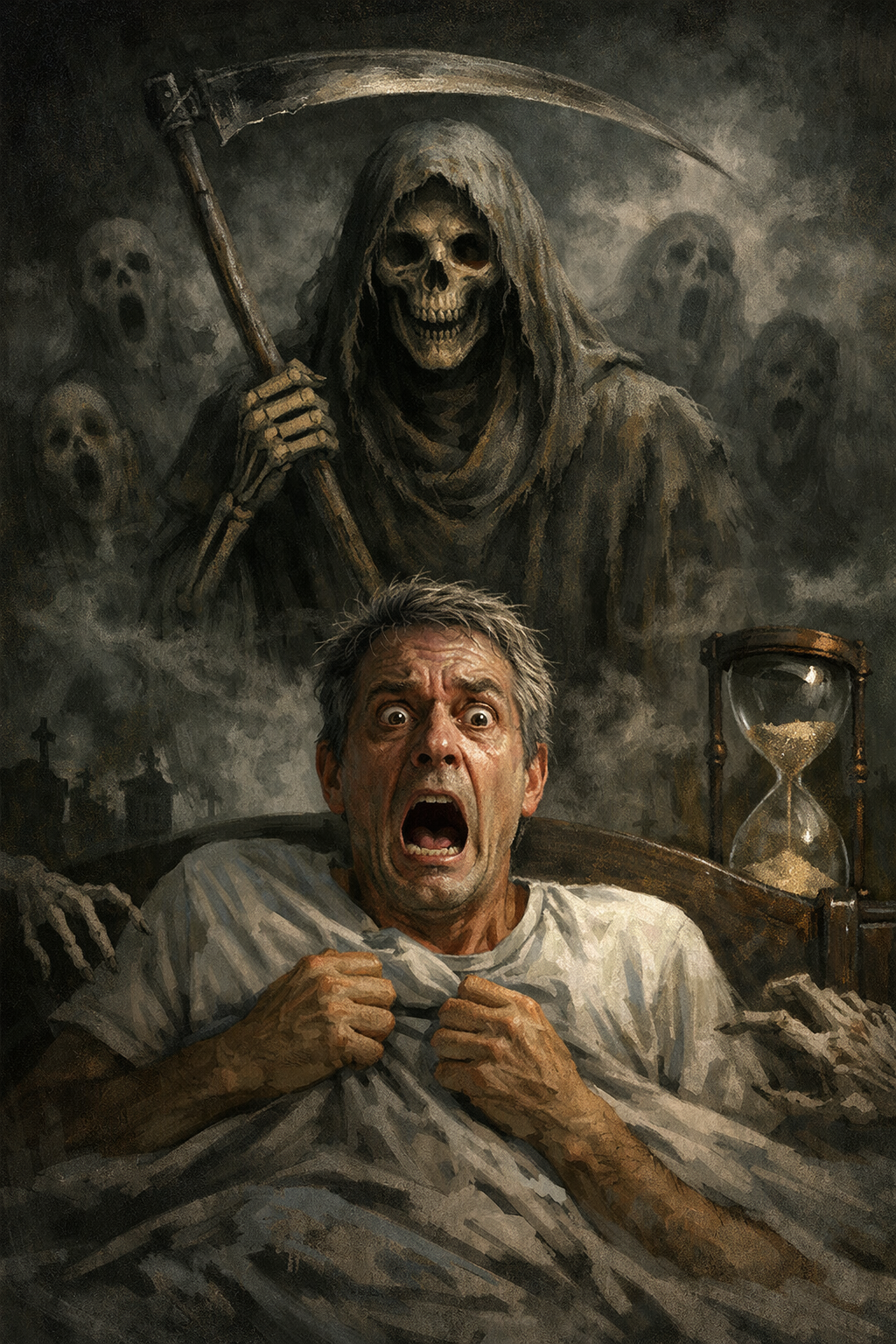 What is fear of death? Panic attacks - Extreme fear - Intense Fear Death
What is the fear of death? Many people grapple with this question. This article examines why death terrifies us, what non-existence signifies, the process of dying, philosophical perspectives, and strategies for overcoming the fear of death.
What is Fear of Death?
Understanding the Fear of Death
The fear of death, also known as thanatophobia, is a profound and universal concern that touches every individual at various stages of life. The fear of death often arises from profound existential questions, particularly the realization that human existence is finite and ultimately destined to end. Our desire for continuity and connection, coupled with the uncertainty surrounding what occurs after we pass away, amplifies our fears.
This emotional struggle compels us to explore the nature of death itself, prompting inquiries about our consciousness, the possibility of an afterlife, and what, if anything, awaits us beyond our earthly existence.
Common reactions to the fear of death include feelings of terror, denial, thoughts about an afterlife, and death anxiety. While most people acknowledge their mortality, they do not constantly live in dread of it. However, experiences such as close encounters with death, the loss of loved ones, or even discussions about death can trigger intense fear of death.
Cultural perspectives significantly influence how individuals perceive and respond to death anxiety. In many Eastern cultures, death is often viewed as a natural transition in the cycle of life, emphasizing the continuation of the spirit or the concept of reincarnation. In contrast, Western cultures tend to view death as an uncomfortable topic and a final endpoint, frequently associated with anxiety, fearfulness, grief, and loss.
Death anxiety is a universal experience that transcends cultural and geographical boundaries. How we confront and treat death anxiety can significantly impact our mental health and influence the coping strategies we use throughout our lives. Individuals may seek various ways to alleviate their death anxiety, such as turning to loved ones for support, engaging in spiritual practices, or pursuing therapeutic interventions. Ultimately, understanding the cultural aspects of death anxiety can help create more effective support systems and resources tailored to individual needs during times of loss.
Each person has a unique relationship with death, which reflects a profound aspect of our shared human experience. This universal truth reminds us of life's fragility and fleeting nature. By acknowledging and accepting the reality of death, we can better manage our fears and anxieties about it. This acceptance empowers us to prioritize what truly matters, allowing us to live more meaningful and intentional lives filled with purpose and connection. Embracing our mortality encourages us to cherish our relationships, pursue our passions, and fully engage in the now.
The Difference between Thanatophobia and Necrophobia
It's worth distinguishing thanatophobia from necrophobia. While thanatophobia centers on the concept and experience of dying, necrophobia involves fear of corpses, graves, funeral homes, and physical reminders of death. Someone with thanatophobia might feel anxious lying in bed thinking about mortality, while someone with necrophobia might feel panic or have a panic attack when walking past a cemetery.
Both factors can disrupt daily life and increase risk factors, such as anxiety, depression, and other disorders.
The Dying Process
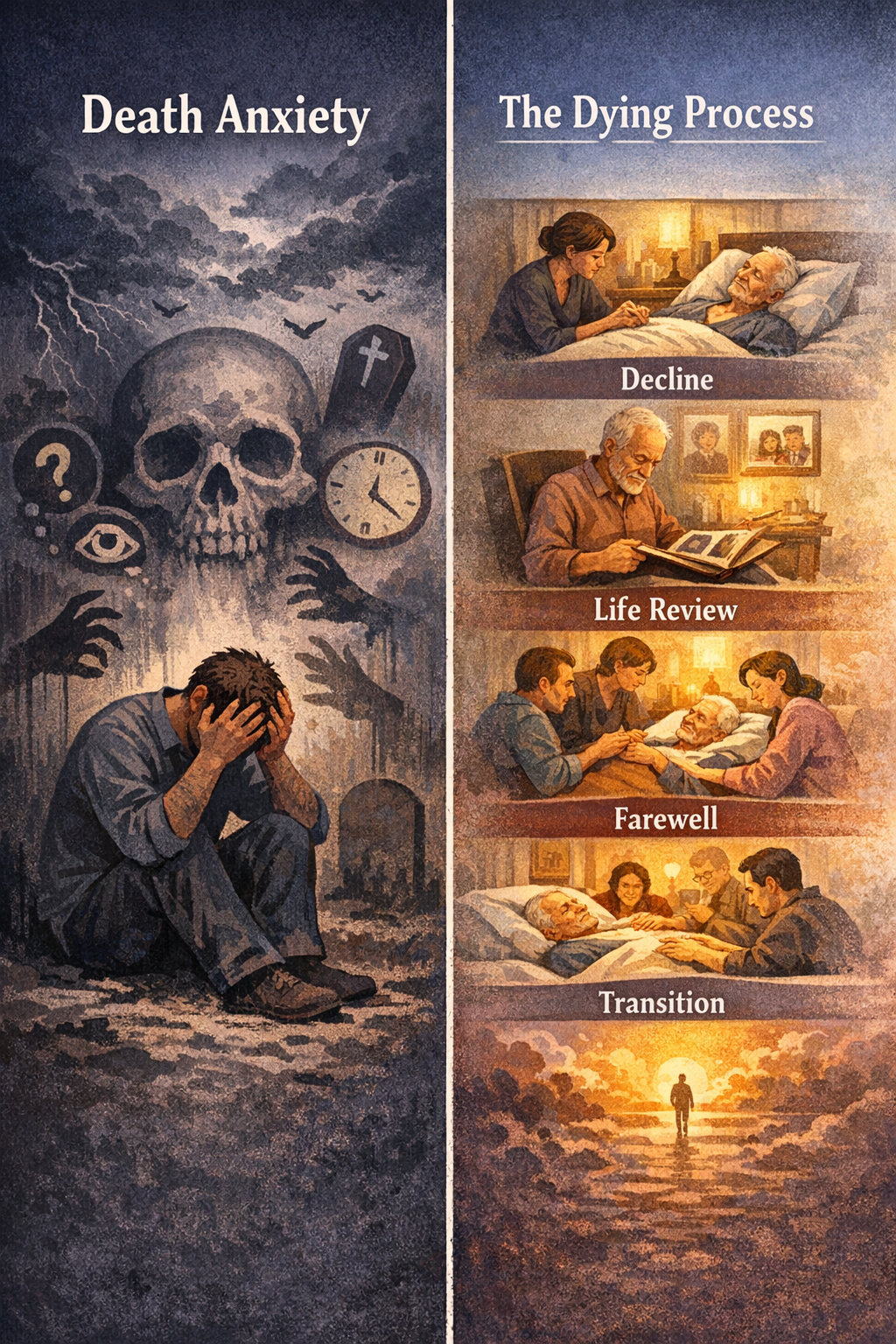 Death Anxiety Peaks -Development of anxiety disorders
The dying process refers to the physical and psychological changes that occur as life ends. While experiences vary greatly depending on the cause of death, common elements include:
- Gradual reduction in bodily functions
- Decreased need for food and water
- Changes in breathing patterns
- Periods of sleep or decreased consciousness
- Sometimes, peaceful acceptance or meaningful final conversations
Understanding the dying process often reduces fear by replacing frightening unknowns with realistic information. Palliative care specialists work to ensure the dying process involves as little suffering as possible.
NOTE:
A hospice caregiver mentioned that a hospice caregiver needs to be kind, compassionate, empathetic, and loving towards patients nearing the end of their earthly lives. Patients in hospice care often struggle with profound emotions, one being death anxiety. They become afraid and lonely as they confront the reality of their mortality. A warm, kind smile, a gentle touch, and reassuring words like “Don't be afraid; everything will be okay” can make a significant difference in their emotional well-being.
To truly support these individuals, caregivers must cultivate an understanding of their unique perspectives and recognize the weight of their fears and anxieties. Many patients are plagued by uncertainty about what lies ahead and desperately need someone by their side to offer encouragement and validate their feelings.
Regrettably, some hospice caregivers lack the essential qualities needed to provide adequate support during this sensitive time. This shortcoming may stem from their own insecurities or fears about death, which can hinder their ability to engage with and comfort those in their care fully. Those hospice care professionals need to improve both their physical caregiving skills and their emotional intelligence to meet the complex needs of terminally ill patients effectively.
To effectively support individuals approaching the end of their lives, caregivers must like their work, demonstrate compassion, strive to understand patients' experiences, and genuinely desire to help.
Tomorrow, it might be you needing help.
Manifestation of Fear of Death
Fear of death can manifest in several ways:
- Fear of one's own death
- Fear of the death of loved ones
- Fear of the dying process itself
- Fear of what happens (or doesn't happen) after death
- Fear of pain, suffering, or loss of control during dying
Mental Experiences of Death Anxiety
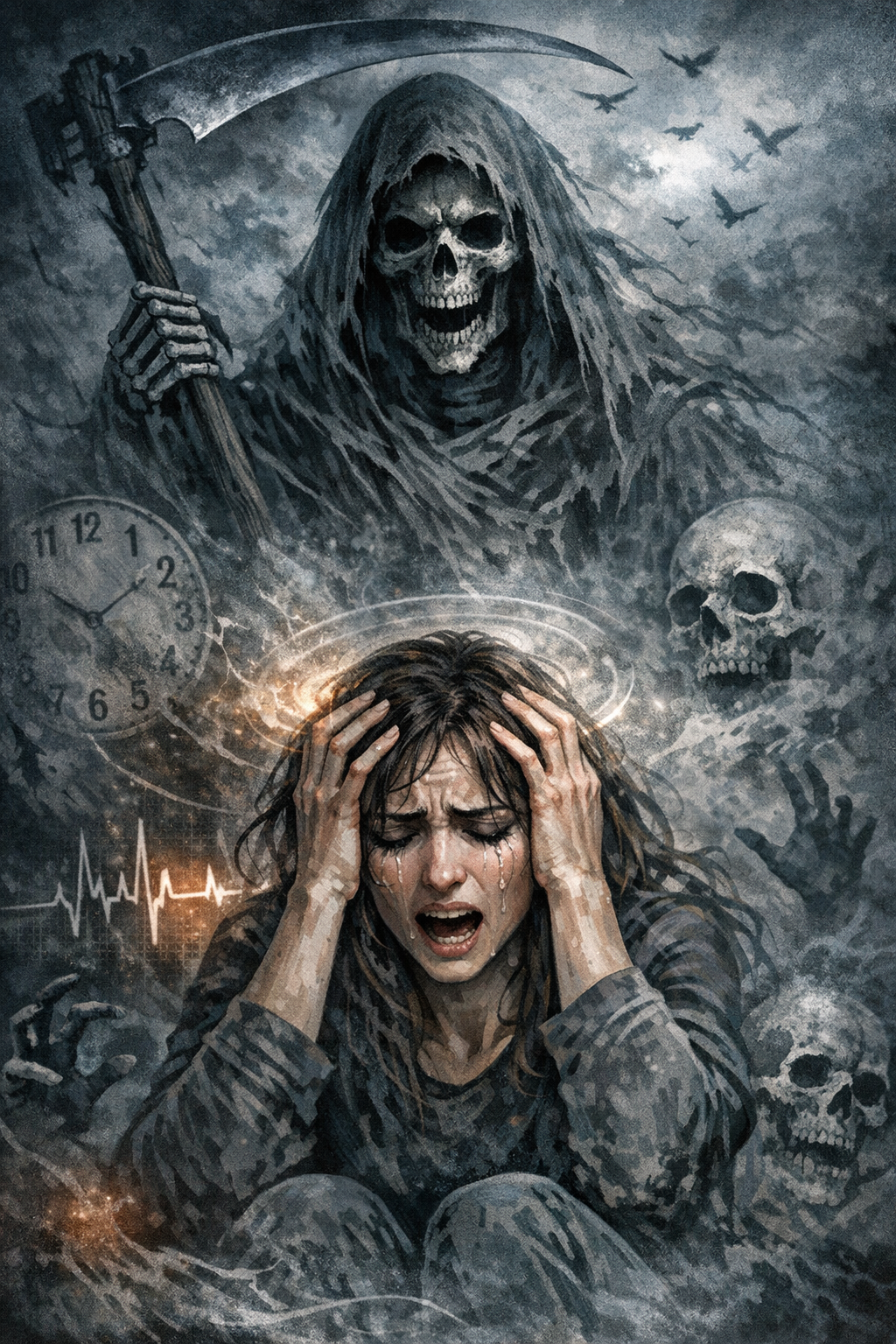 Low self esteem - Death anxiety - mental health panic disorders
The mental experience of death anxiety disorders typically includes:
- Repetitive, unwanted thoughts about dying or death
- Intrusive mental images of one's own death or funeral
- Intense dread before sleep or upon waking
- Avoidance of conversations, news stories, or media that mention death
- Excessive worry about health and mortality
- Difficulty concentrating due to death-related thoughts
- Feeling detached from everyday life because “nothing matters.”
Experiences Affecting the Current View of One's Own Death
The way we experience death throughout our lives profoundly shapes how we relate to mortality today. Our earliest encounters with death—whether it's a grandparent's passing, a pet's death, or witnessing accidents—create templates that influence our fears of death as adults.
Traumatic Death Experiences
A traumatic experience involving death can fundamentally alter one's relationship with mortality:
- Witnessing violent deaths (accidents, combat, disasters)
- Surviving near-death experiences personally
- Losing someone suddenly without warning
- Being present during a prolonged, painful dying process
These experiences can trigger post-traumatic stress disorder (PTSD), where intrusive death-related memories cause ongoing distress.
The COVID-19 pandemic after 2020 created unprecedented circumstances where many people witnessed death remotely, unable to be present, or experienced sudden losses without warning. These experiences contributed to widespread increases in death-related fears.
How Past Loss Shapes Present Fear
When you've lost someone significant, especially unexpectedly, your understanding of mortality shifts. The psychological defenses that allowed you to feel somewhat invincible crack open. You now know instinctively that death can come at any moment, to anyone.
This knowledge can manifest as:
- Heightened health anxiety and body-checking behaviors
- Overprotective tendencies toward family members
- Avoidance of situations that seem remotely risky
- Difficulty trusting that the here and now is safe
Existential Death Anxiety
Existential death anxiety represents perhaps the most profound form of fear of death—the death anxiety that arises simply from knowing that life is finite and that personal existence will end, even when no immediate danger exists.
Key concerns within existential death anxiety include:
- Finality: The irreversible nature of death—there's no coming back
- The unknown: What happens after death remains fundamentally uncertain
- Annihilation of self: The terrifying concept of ceasing to exist entirely
- Incomplete life: Fear of dying before fulfilling one's potential
- Meaninglessness: Worry that death renders life's efforts pointless
From Fear of Death to Motivation
Many therapeutic approaches don't aim to eliminate existential death anxiety entirely. Instead, they seek to transform it into a catalyst for living more intentionally. When you acknowledge that time is limited, choices become clearer. Priorities sharpen. The question shifts from “How can I avoid thinking about death?” to “How do I want to spend the time I have?”
Fear of Death and Near-Death Experience
Near-death experiences and witnessing death firsthand can profoundly alter one's relationship with mortality—sometimes reducing fear, or sometimes intensifying it dramatically.
Developing Fear After a Near-Death Experience
Can people develop a fear of death after experiencing a near-death experience? The answer is nuanced. Research shows varied outcomes:
Fear may increase when:
- The experience was traumatic, painful, or terrifying
- The person felt helpless or out of control
- Medical trauma accompanied the experience
- Existing anxiety disorders were present before the event
Fear may decrease when:
- The experience included peaceful or transcendent elements
- The person felt a sense of continuation beyond physical death
- Integration and meaning followed the experience
- Strong support systems helped process the event
Many NDE survivors report fundamental shifts in their worldview. Some describe reduced death anxiety after experiencing what felt like continued consciousness. Others develop thanatophobia because the brush with death shattered their sense of invulnerability.
Death of a Loved One
Can someone develop a fear of death after witnessing the death of a loved one? Absolutely. This represents one of the most common triggers for death anxiety.
Watching someone die—particularly if the death was painful, prolonged, or undignified—can create lasting associations between death and suffering. Caregivers of seriously ill relatives often experience their own death anxiety, linked to:
- Anticipatory grief during the illness
- Witnessing physical decline and loss of independence
- Fear that their own death will follow a similar course
- Survivor's guilt about continuing to live
As mentioned previously, the 2020 COVID-19 pandemic brought about profound challenges related to death and loss. Millions of people faced the pain of sudden and unexpected losses, often losing loved ones without the chance to say goodbye. Many were unable to be present during crucial moments as their family members passed away due to restrictions on gatherings and hospital visits. This inability to connect with those who were dying added an additional layer of grief and distress. Furthermore, the pervasive atmosphere of uncertainty surrounding health and survival left individuals and communities grappling with death anxiety about their own lives and the lives of their loved ones. The emotional toll of these experiences has reshaped how people understand and cope with death.
Fear of Death or Death Anxiety Across Religions and Cultures
Religious beliefs and cultural backgrounds profoundly shape how individuals experience and express fear of death. However, the relationship between faith and fear of death is more complex than simple reassurance.
Indigenous and Shamanic Perspectives
Many indigenous communities view death not as an ending but as a transition within an ongoing cycle. Shamanic traditions often include:
- Direct engagement with death through ritual and ceremony
- Belief in continuous spiritual existence across realms
- Integration of ancestors into daily life and decision-making
- Death as a teacher and ally rather than an enemy
In these contexts, principles of the death positive movement arise naturally—death is openly discussed, dying individuals receive communal support, and fear transforms into preparation and acceptance.
Spiritual Practitioners
Those who maintain active spiritual practices—meditation, contemplative prayer, mindfulness—often report different relationships with death:
- Regular meditation can reduce anxiety about mortality
- Contemplative practices build comfort with uncertainty
- Deep breathing and present moment awareness interrupt fear spirals
- Spiritual community provides support for existential questions
Spiritual and Religious Beliefs
Religious and spiritual beliefs can both reduce and increase death anxiety, depending on the belief content and how securely those beliefs are held.
Studies in western cultures show that people who are strongly religious and those who are firmly non-religious sometimes report lower death anxiety than those caught in the middle—uncertain, searching, or conflicted about ultimate questions.
Examples of protective beliefs:
- Reincarnation (Hinduism, some Buddhist traditions)
- Benevolent afterlife (Christianity, Islam)
- Reunion with deceased loved ones
- Continuation of consciousness in some form
Examples of beliefs that may heighten death anxiety :
- Strict teachings about punishment or hell
- Uncertainty about one's own worthiness
- Fear of divine judgment or retribution
- Concerns about unconfessed sins
Mental health therapists working with death anxiety often explore spiritual background with sensitivity. Some people benefit from additional support from faith communities alongside psychological treatment.
Common Psychological Themes Behind Fear of Death
Beneath the surface of death anxiety, several core themes consistently emerge. Understanding which themes drive your personal fear can help target coping strategies more effectively.
1-Fear of the Unknown
Death represents the ultimate unknown. For people who crave certainty and find ambiguity intolerable, this fundamental uncertainty can feel unbearable.
2-Fear of Losing Control
Death is the one event we cannot schedule, micromanage, or prevent indefinitely. For those who rely on control to feel safe, this reality creates profound distress. The dying process especially triggers this fear—concerns about losing autonomy, becoming dependent, or having decisions made by others.
3-Fear of Pain and Loss of Dignity
Many people fear death specifically because they fear suffering. Concerns include:
- Physical pain during illness or dying
- Medical interventions that extend suffering
- Dependence on others for basic needs
- Being remembered in a diminished state rather than as one's “real self”
- Loss of mental clarity or personality changes
4-Fear of Leaving Loved Ones
For parents, partners, and caregivers, fear often centers on those left behind. Worries include:
- Children growing up without a parent
- Partners facing grief and loneliness
- Parents outliving a child (for those with a serious illness)
- Practical concerns about family finances and care
This fear can motivate both anxiety and protective behaviors—purchasing life insurance, writing wills, or becoming excessively cautious.
5-Fear of Emptiness, Non-Existence, and Void
Perhaps the most existentially challenging fear involves contemplating complete non-existence—not an afterlife, not reincarnation, but simply not being. The concept of ceasing to exist, of consciousness ending permanently, creates a kind of vertigo that words struggle to capture.
Death Anxiety and Mental Health Conditions
Death anxiety can contribute to or worsen multiple mental health disorders rather than existing in isolation.
Panic and Anxiety Disorders- People with anxiety disorders often interpret normal bodily sensations as signs of life-threatening illness, driven by an underlying fear of death. Panic disorder involves intense physical symptoms that can feel like dying, and the fear of death often perpetuates panic cycles.
Obsessive-Compulsive Disorder OCD can center on death-related fears, with compulsive checking, cleaning, or rituals serving as attempts to ward off illness, disaster, or death. The person knows logically that their rituals don't prevent death, yet feels compelled to perform them.
Depression and PTSD, traumatic stress disorder involving exposure to death, can trigger intrusive memories of violent deaths. Depression may include loss of hope about the future and thoughts that life is meaningless—paradoxically, some severely depressed individuals report less fear of death because they feel hopeless about life itself.
General Anxiety and Other Anxiety Disorders. Fear often underlies surface-level anxieties. Someone with agoraphobia may fear leaving home partly because they fear dying far from safety. Social anxiety may connect to fears about legacy and how one will be remembered.
If you recognize these patterns in yourself, seeking professional assessment is valuable. Effective treatment often reduces both death anxiety and the co-occurring condition simultaneously.
Embracing Mortality
 Death Acceptance - Overcome Death Anxiety - Exist in the moment.
Embracing our mortality can significantly transform how we live our lives. Accepting that life is finite promotes mindfulness, encouraging us to engage fully in the present rather than being distracted by past regrets or future anxieties. Contemplating death helps us prioritize what truly matters, prompting us to focus on meaningful goals and experiences rather than trivial concerns.
Awareness of life's finiteness can spur us to act on our dreams, motivating us to live intentionally and pursue our passions. Facing the reality of death can transform fearfulness into acceptance, allowing us to reduce death anxiety and fully embrace our lives. Techniques like mindfulness and journaling about personal values and grateful moments can help shift our focus from the fear of death to an appreciation for life through our words.
Recognizing the transient nature of life fosters stronger relationships by encouraging us to express love and appreciation more openly. Understanding our own mortality also encourages us to accept failure as part of life, promoting resilience and a willingness to learn from mistakes. By embracing mortality, we can survive more fully and meaningfully, appreciating each moment we have.
Practical Steps to Address Fear of Death
Addressing the fear of death is crucial to achieving emotional well-being and can significantly contribute to a more meaningful, enriched life experience. Here are some detailed and practical steps to help individuals find peace regarding this often daunting subject:
1. Engage in Open Discussions: Initiating conversations about death with loved ones fosters deeper understanding and helps normalize the topic, which can greatly reduce the death anxiety that often accompanies it. These discussions can involve sharing personal beliefs, fears, and experiences, allowing for a supportive exchange that strengthens connections and provides reassurance. Talking openly can also create a safe space for loved ones to express their own feelings, making the process less isolating.
2. Create an Advance Directive: Preparing an advance directive—sometimes known as a living will—can clarify personal wishes concerning healthcare and end-of-life decisions. This document outlines preferences for medical treatment and appoints a trusted person to make decisions if one becomes unable to do so. By taking this proactive step, individuals can alleviate uncertainty and fear about the future, knowing that their wishes will be respected and honored.
3. Consider Therapy: Seeking therapy can provide a supportive environment where individuals can openly explore their fears and anxieties related to death. A trained mental health professional can guide discussions that delve into underlying emotions, helping to unpack beliefs about mortality and develop effective coping strategies. This therapeutic process can empower individuals to confront their fears, leading to greater acceptance and peace of mind regarding the inevitable nature of death.
By taking these steps, individuals can cultivate a healthier relationship with death, ultimately leading to a fuller, richer life.
People Want to Know
 People experience Death Anxiety
1- What can I do to overcome my fears of dying?
To effectively confront and overcome your fears of dying, it is crucial to engage in therapeutic practices, participate in open and honest discussions about your feelings, and adopt mindfulness techniques. Participating in therapy with a mental health professional, whether through individual sessions or support groups, allows you to explore the roots of your fears in a safe, supportive environment, guided by a mental health professional who can offer valuable insights and effective coping strategies. Open discussions with trusted friends or family members can help normalize your feelings, fostering a supportive atmosphere that encourages vulnerability and understanding.
Additionally, practicing mindfulness techniques—such as meditation, deep-breathing exercises, or yoga—can help you cultivate a present-focused mindset, reducing death anxiety and promoting tranquility. By combining these approaches, you can confront your fears more deeply and ultimately find a deeper sense of peace.
Also exploring spirituality. Spirituality offers valuable insight that can help alleviate the fear of dying. By exploring beliefs about the afterlife and fostering a deep sense of connection with a higher power, individuals can find comfort in the idea that life continues beyond physical existence. This understanding can provide clarity and reassurance, allowing people to confront their mortality with a sense of peace and purpose. Through practices such as meditation, prayer, or reflection on spiritual teachings, individuals can cultivate a profound sense of belonging and acceptance, ultimately transforming their perspective on death from dread to hope.
2-What coping tools can I use to help alleviate my fears of dying and death anxiety?
- Talk openly with trusted people about your fears—this helps to reduce isolation and anxiety
- Learn anxiety management using deep breathing, grounding techniques, and relaxation exercises
- Gradually face rather than avoid death-related topics
- Limit exposure to sensationalized death content in the news and on social media
- Establish sleep routines to reduce nighttime anxiety
- Journaling about values, priorities, and what matters most
3- Is dying scary or peaceful?
Dying can often be a peaceful experience for many, particularly with proper pain management and palliative care to ease suffering. Ultimately, individual experiences may vary.
4- How can I prepare for death?
Preparing for death requires creating an advance directive, discussing your wishes with loved ones, and ensuring your preferences are honored. Taking these steps can provide clarity and comfort for you and your family during difficult times.
Also, talking with others about death can help ease inner tensions or worries. Expressing your thoughts freely.
5- I am Catholic, and I have an intense fear of dying and going to hell. Is hell real?
While religious beliefs about hell vary among individuals, seeking comfort and understanding through your faith and religious community can help alleviate your fears. Engaging in prayer and reflection may also provide peace of mind about your spiritual journey.
6- Some people believe that when you die, it is over. Is that true?
The truth about what happens after death varies widely among individuals and is shaped by their personal religious beliefs and cultural backgrounds. It's essential to explore these diverse perspectives to shape your understanding of the afterlife.
Additionally, seek clarity and information within your faith community. Some people, believing that nothing continues after death, find solace in those beliefs. While this is a matter of personal belief, understanding different perspectives can help you form your own views.
7-When should one seek a mental health professional for help with death anxiety?
Consider consulting a mental health professional if you experience death anxiety:
- Persists most days for several months
- Feels uncontrollable despite your efforts
- Interferes with work, relationships, or daily functioning
- Triggers panic attacks or severe physical symptoms
- Occurs with depression, OCD, or other mental health conditions
8- What advice can you give me about death anxiety?
Think of death as a gentle transition, much like stepping out of one room and into another. It's a gradual shift rather than a jarring departure, allowing for new experiences and perspectives in a different space. Just as each room in a house has its own purpose and atmosphere, each phase of existence offers unique opportunities for growth and understanding. Embracing this idea can help soften fears about mortality and foster a sense of peace about what lies ahead.
Don't worry about death; instead, focus on enjoying life and living in the moment.
Summary
In summary, death is a universal and inevitable part of human existence. Understanding why we fear it, developing death anxiety, exploring philosophical perspectives, and taking practical steps to address our extreme fear can help us find peace with our mortality. Accepting and embracing our mortality can lead to a more mindful and fulfilling life.
By confronting our death anxiety and preparing for the inevitable, we can transform our death anxiety into appreciation for the current moment. Let us live fully, love deeply, and appreciate every moment we have.
People should not be afraid of death. Instead, people should view it as another journey.
Click below and views more than 600 pieces of spiritual artwork

Spiritual Books
If you enjoy the articles on this website, you will also appreciate the short stories in the books below. Click here and continue the journey.