What is Ayahuasca?
What Is Ayahuasca? At a Glance
- Ayahuasca is a sacred Amazonian plant brew used in spiritual and ceremonial traditions.
- It is usually made from two main plants: the Banisteriopsis caapi vine and a DMT-containing plant such as Psychotria viridis.
- It has been used for generations by Indigenous peoples for healing, guidance, and connection to the spirit world.
- It is not a casual substance and may involve powerful emotional, physical, and psychological effects.
 What is Ayahuasca - Mother Ayahuasca and healing journey
Ayahuasca is a traditional Amazonian psychoactive brew used in spiritual and ceremonial settings by many Indigenous communities in South America. It is commonly prepared from the Banisteriopsis caapi vine and a DMT-containing plant such as Psychotria viridis. Today, people are also interested in ayahuasca for its reported effects on healing, consciousness, and mental well-being, though it also carries important risks and safety concerns.
On This Page
- What Is Ayahuasca?
- How Ayahuasca Is Used
- Preparation for an Ayahuasca Experience
- Ayahuasca's Effects on the Human Body
- Ayahuasca and Mental Well-Being
- Ayahuasca and Addiction Treatment
- Ayahuasca Risks and Safety
- Ayahuasca Tourism
- Ayahuasca Legal and Ethical Issues
- Neurobiological Insights
- My Personal Experience
- FAQ
What is Ayahuasca?
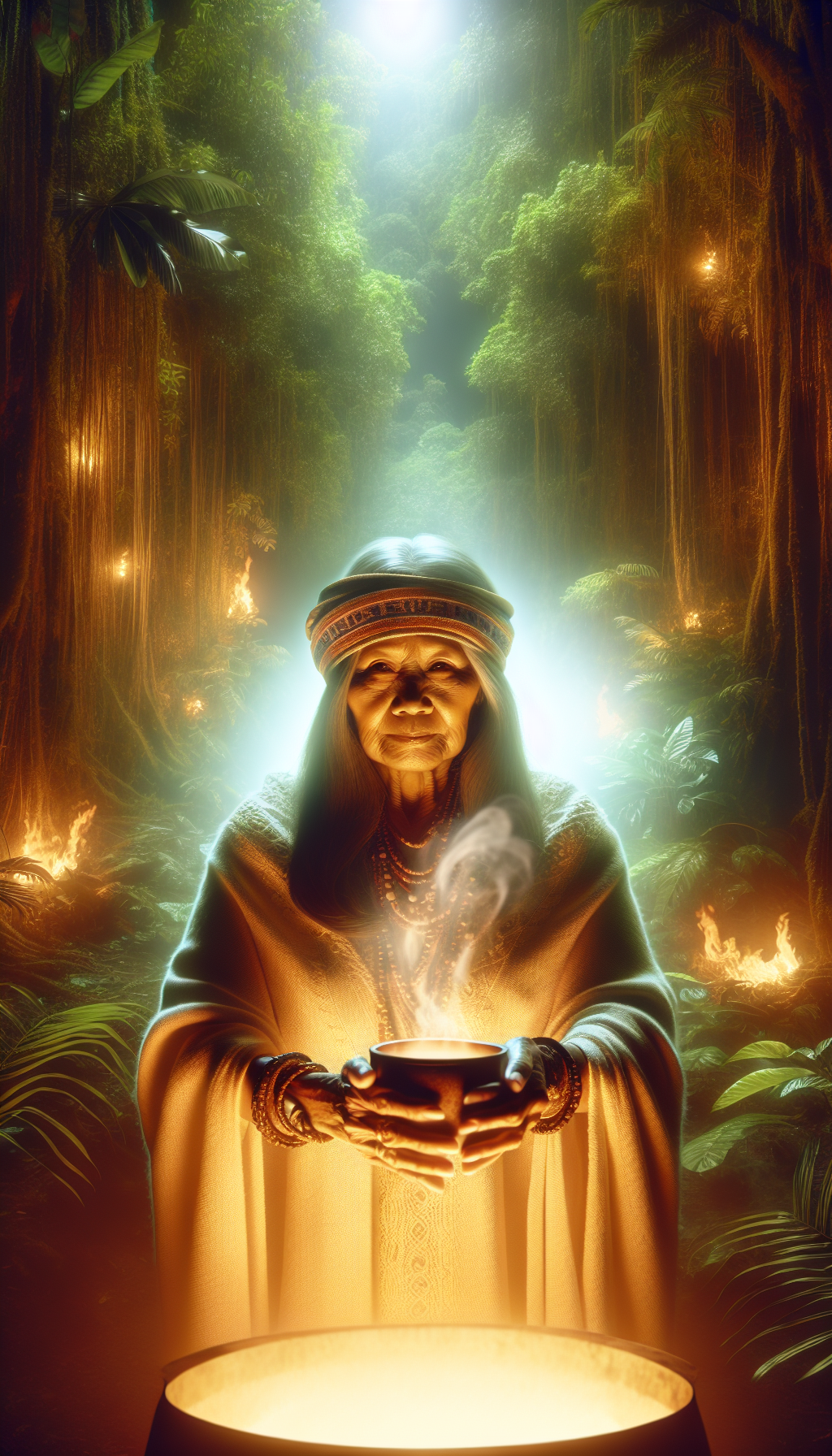 Mother Ayahuasca- traditional brew - connection to the spirit world
Ayahuasca tea is a psychedelic plant brew that holds a revered place in the spiritual and cultural practices of South America indigenous tribes. The word ‘ayahuasca’ translates to ‘vine of the soul’ in Quechua, a fitting name for a brew that promises deep, transformative journeys.
Archaeological evidence suggests the use of psychoactive plants in this region dating back to 1500-2000 B.C., underscoring the ancient roots of this practice. Historically, ayahuasca was primarily used by indigenous populations in Peru, Brazil, Colombia, and Ecuador, who have a long history of using ayahuasca for medicinal, spiritual, and ceremonial purposes, before its popularity spread globally.
The traditional use of ayahuasca involves ceremonial ayahuasca aimed at healing various psychosomatic issues. Ayahuasca ceremonies are not just rituals; they are ancient knowledge and profound spiritual experiences passed down through generations.
Indigenous people have been consuming ayahuasca for over a thousand years, often in combination with other sacred plants, to facilitate a deeper understanding and communication with the spirit world, creating a spiritual awakening. These ceremonies also provide significant insights into both personal and collective well-being and opportunities for self-discovery.
Today, ayahuasca consumption has transcended geographic and cultural boundaries, finding a place in modern therapeutic settings and spiritual retreats. This expansion has also sparked growing interest in the scientific community in studying ayahuasca and its effects on the human mind and body, as highlighted by the Global Ayahuasca Survey.
As we explore further, understanding how ayahuasca tea is prepared and used in ceremonies will provide deeper insight into its profound impact.
How Ayahuasca is Used
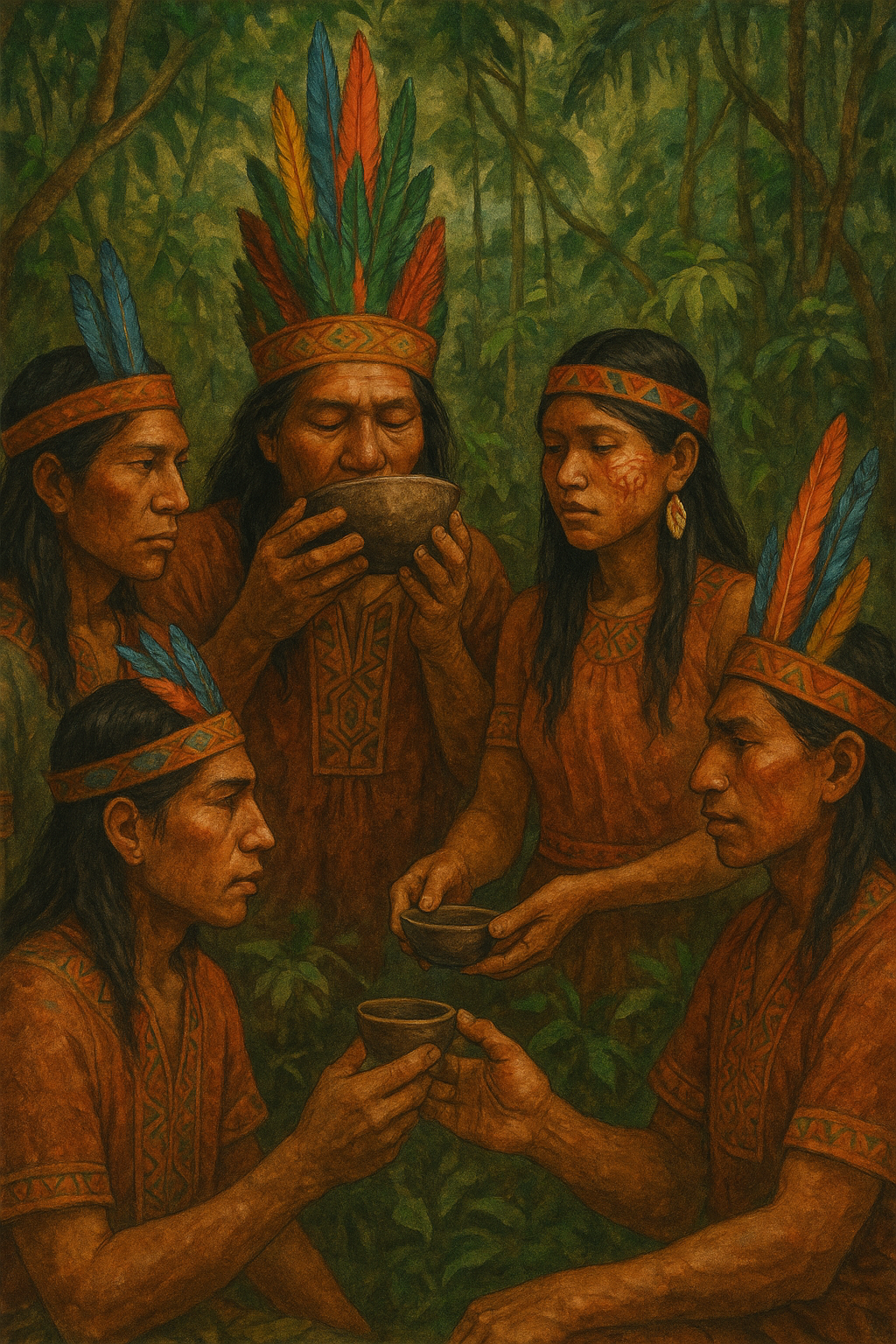 Indigenous Populations - Ayahuasca rituals -
Indigenous cultures and Indigenous people consuming ayahuasca
Indigenous Populations - Ayahuasca rituals -
Indigenous cultures and Indigenous people consuming ayahuasca| Ingredient | Role | Why It Matters |
|---|---|---|
| Banisteriopsis caapi | Contains MAOIs | Helps prevent the breakdown of DMT in the body |
| Psychotria viridis | Contains DMT | Contributes to the brew’s psychoactive effects |
The preparation of ayahuasca tea or brew is a meticulous process that involves boiling the Banisteriopsis caapi vine and the leaves of Psychotria viridis. These two primary ingredients are combined to create a potent psychoactive ayahuasca tea or plant medicine that is central to the ayahuasca encounter. The Banisteriopsis caapi vine or soul vine contains compounds known as monoamine oxidase inhibitors (MAOIs), which prevent the breakdown of DMT—the active hallucinogenic compound in Psychotria viridis—allowing it to exert its powerful effects on the brain.
Ayahuasca ceremonies typically take place at night in a ceremonial space designed to create a safe and sacred environment for the ayahuasca users. These settings are crucial as they enhance the emotional and hallucinogenic experiences that are central to the ayahuasca journey into the spiritual world. Participants often report experiencing intense emotions and vivid hallucinations after ayahuasca consumption, which can be both enlightening and challenging. Ayahuasca's effects generally last 4 to 6 hours.
The shaman or facilitator plays a pivotal role, guiding participants through their experiences and helping them navigate the often tumultuous emotional landscapes that arise, such as the release of inner emotional wounds and self-discovery.
The ritualistic aspect of ayahuasca use cannot be overstated. The ceremonies are deeply rooted in tradition and are designed to foster a sense of community and mutual support among ritual ayahuasca users. This communal aspect is vital, as it provides a framework for individuals to process their experiences and integrate the insights gained during the ceremony.
The transformative potential of these ceremonies has made ayahuasca a focal point in discussions about alternative therapeutic practices and spiritual healing.
NOTE: Traditionally, only shamans would drink the Ayahuasca brew to attain deep insights and facilitate healing for those seeking guidance and support. These shamans played a crucial role in the spiritual and physical well-being of their communities, using their experiences during the Ayahuasca journey to provide counsel and remedies.
In contemporary practices, however, Ayahuasca ceremonies have evolved to allow participants beyond the shaman to consume the brew themselves. This shift empowers individuals to embark on their personal journeys, seeking connection with the spirit world. Participants often report profound experiences, gaining valuable insights into their lives, emotional healing, and a deeper understanding of themselves and their place in the universe.
Ayahuasca is not a recreational drug. It is a plant medicine used for spiritual healing and should be treated with respect and care.
Preparation for an Ayahuasca Experience
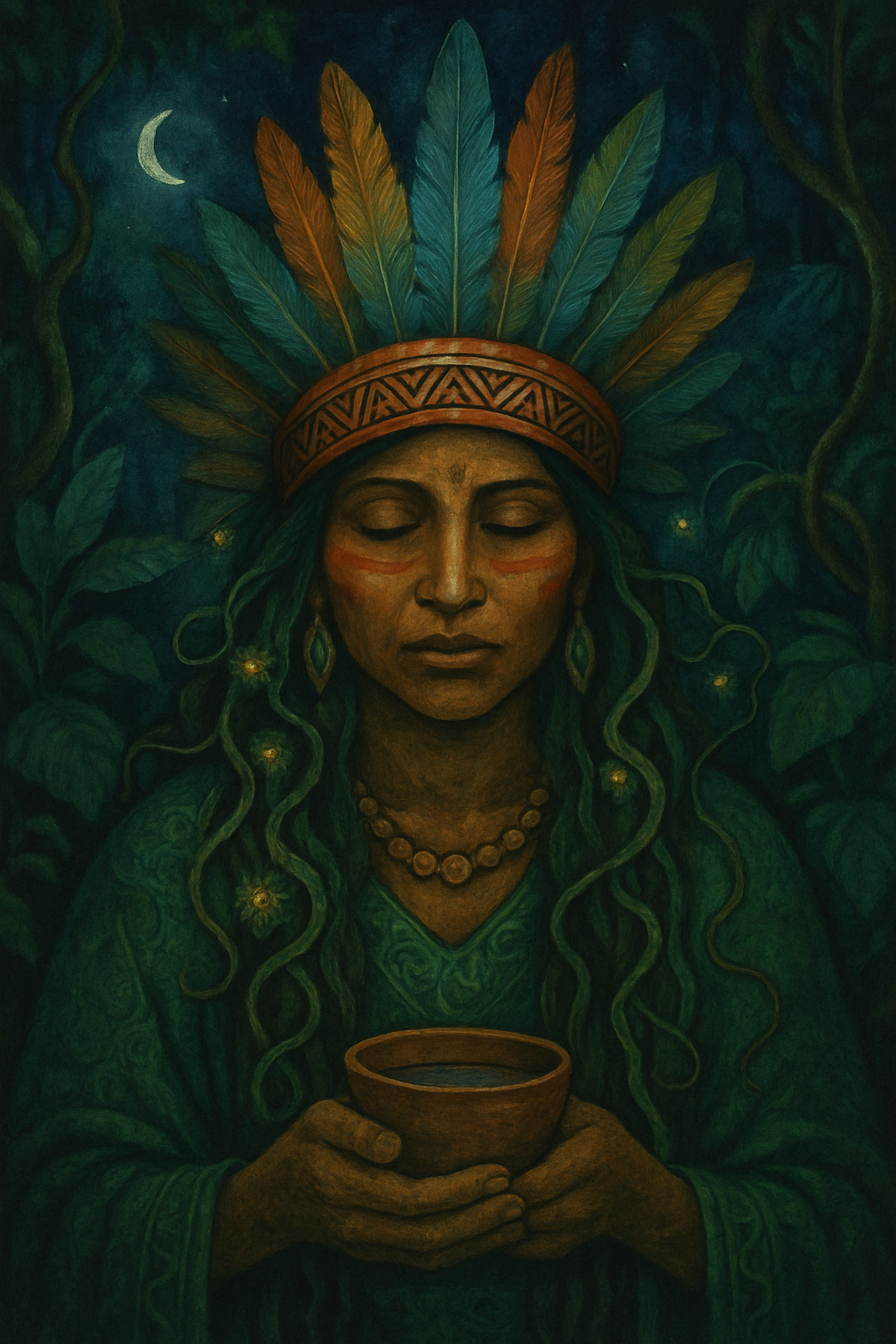 Mother Ayahuasca - Mother Earth - Ayahuasca vine - Taking Ayahuasca Plant Medicine by Tai
Preparation is a critical aspect of the ayahuasca experience, ensuring that participants are physically, mentally, and spiritually ready for the journey ahead. One key preparatory step involves following a specific diet and avoiding processed foods, spicy foods, animal products, and addictive substances like alcohol and recreational drugs for at least two weeks prior to the ceremony. This dietary regimen helps to cleanse the body and mind, enhancing the overall experience.
Spiritual and psychological preparation are equally important. To enhance their focus and spiritual connection, participants are encouraged to spend time in nature, engage in practices like meditation or yoga, and abstain from sexual activity.
Each individual's experience with ayahuasca is unique, emphasizing the need to remain open to whatever unfolds during the ceremony. By approaching the ayahuasca encounter with respect and mindfulness, participants can maximize the therapeutic and transformative potential of ayahuasca.
Intention Prayer
"Madre Ayahuasca, divine medicine of the soul, thank you for calling me. Please guide me, protect me, and help me see what I need to see. Give me the strength to release my past, heal my heart, and surrender to your wisdom. I am safe, and I am ready." (Reddit)
Three things your Intention Prayer should contain:
1-Gratitude- I thank you for this opportunity
2-Surrender- I let go of all fears
3-Healing- Help me heal what is broken or needs to be fixed.
Ayahuasca's Effects on the Human Body
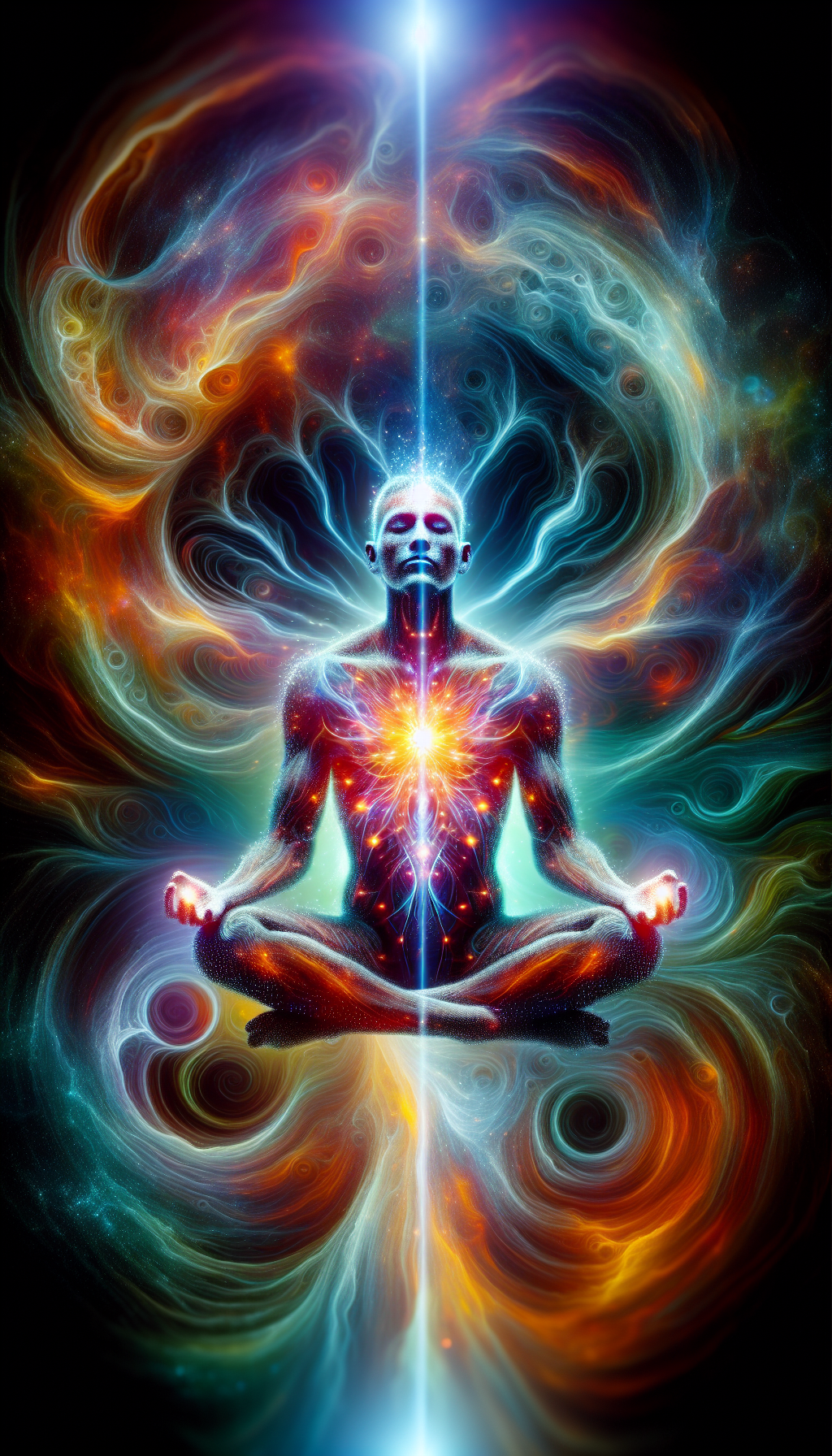 Mother Ayahuasca - Healing Journey -Connecting to the Spiritual World
Ayahuasca affects everyone differently. The effects of consuming ayahuasca are profound and multifaceted, encompassing both positive and negative experiences. Understanding these effects is crucial for anyone considering an ayahuasca encounter. From the intense internal focus and altered states of consciousness to the potential for rapid antidepressant effects, ayahuasca's impact on the mind and body is complex and significant.
Let's explore these effects in detail, starting with the positive outcomes reported by users and researchers alike.
Positive Ayahuasca Effects
Ayahuasca has shown significant potential in improving mental health outcomes, particularly for individuals struggling with anxiety, depression, and substance use disorders. Studies have demonstrated that ayahuasca tea can reduce the incidence of mental health problems and improve the quality of life for many users.
This is partly due to its anxiolytic properties, which help alleviate anxiety without increasing the risk of developing new psychopathologies.
Observational studies have highlighted ayahuasca's ability to enhance cognitive function and mental well-being. Many participants report a heightened and profound sense of clarity and insight following their ayahuasca plant medicine encounters, which can lead to lasting positive changes in their mental health.
These therapeutic aids are not limited to the immediate aftermath of the ceremony but can extend for weeks or even months, providing sustained relief from psychological distress.
The therapeutic potential of ayahuasca plant medicine is further supported by its ability to promote emotional healing and personal growth. The intense introspection and emotional release that occur during an ayahuasca session can help individuals confront and process unresolved traumas, leading to profound insights and psychological healing.
This makes ayahuasca plant medicine a powerful tool for those seeking to overcome deep-seated emotional issues, achieve a greater sense of inner peace, and personal healing.
Negative Effects of Ayahuasca
Despite its many potential benefits, the brew is not without its risks and unfavorable effects. One of the most common side effects of ayahuasca reported by users is vomiting, often referred to as “the purge.” This physical reaction is typically seen as a form of cleansing, although it can be quite distressing for participants. Nausea and other transient gastrointestinal issues are also frequently reported.
Psychologically, the ayahuasca tea or brew can lead to challenging experiences, including intense emotional discomfort, fear, and even paranoia. These adverse effects are more common among participants with pre-existing psychiatric conditions, highlighting the importance of careful screening and controlled settings to ensure the safety of all participants. Experienced facilitators' monitoring is essential for handling these negative experiences and offering support when necessary.
Persistent unfavorable effects, though generally mild, have been reported by some participants. Factors such as the individual's mood, environment, and mental health status can significantly influence the nature of the ayahuasca encounter. Ensuring a supportive and controlled environment is essential to mitigate these risks and enhance the overall safety of ayahuasca use.
NOTE: A preliminary intake is usually given before attending an Ayahuasca Retreat. It is extremely important that before attending an ayahuasca retreat, you inform the retreat organizers of all medications, especially psychoactive drugs, you are taking and any mental health conditions.
For example, if you have high blood pressure, you need to know that Ayahuasca can cause a moderate increase in blood pressure.
Also, in some cases, I have heard people being asked about mental illness in their family history.
It is important to know that Ayahuasca does not work well with certain other drugs.
Ayahuasca Risks and Safety
Do Not Proceed Without Medical Guidance
Ayahuasca may not be appropriate for everyone. Extra caution is needed if you:
- take antidepressants or other serotonergic medications
- take psychiatric medications or mood-altering drugs
- have high blood pressure, heart problems, or cardiovascular concerns
- have a history of psychosis, mania, or severe mental health instability
- plan to mix ayahuasca with alcohol, opioids, or other substances
- are unsure whether your medications or health history make ayahuasca unsafe
This page is for educational purposes only and is not medical advice.
Safety is a paramount concern when considering ayahuasca use. Participants who undergo health evaluations before their first ayahuasca experience tend to report higher satisfaction with safety measures. These evaluations help identify potential risks and ensure that individuals are physically and mentally prepared for the intense experiences that ayahuasca can induce.
One of the primary safety concerns with ayahuasca is its interaction with other medications, particularly those that affect serotonin levels. The presence of MAOIs in ayahuasca can lead to dangerous interactions with serotonergic drugs, making it crucial to avoid combining ayahuasca with certain medications.
Further research is needed to fully understand these risks and develop guidelines for safe use.
Despite these risks, ayahuasca is generally considered safe when used in controlled settings with proper supervision. The potential for dependence on ayahuasca is extremely limited, and long-term use does not negatively impact cognitive functioning. However, it is essential to approach ayahuasca use with caution and to prioritize safety measures to minimize the risk of adverse effects.
NOTE: According to the Global Ayahuasca Survey in PLOS Global Public Health, it found that "while physical and psychological side effects like vomiting (68.2%) and challenging mental states (55.9%) are common, they are rarely severe and often perceived as therapeutic. Adverse events are frequently reported, but only 2.3% of users required medical intervention, with risks being higher in unsupervised settings."
Remember, ayahuasca affects everyone differently.
Safety Note
Ayahuasca may interact with certain medications and may not be appropriate for people with some mental health or cardiovascular conditions. Careful screening and qualified guidance are important before participation.
Ayahuasca and Mental Well-Being
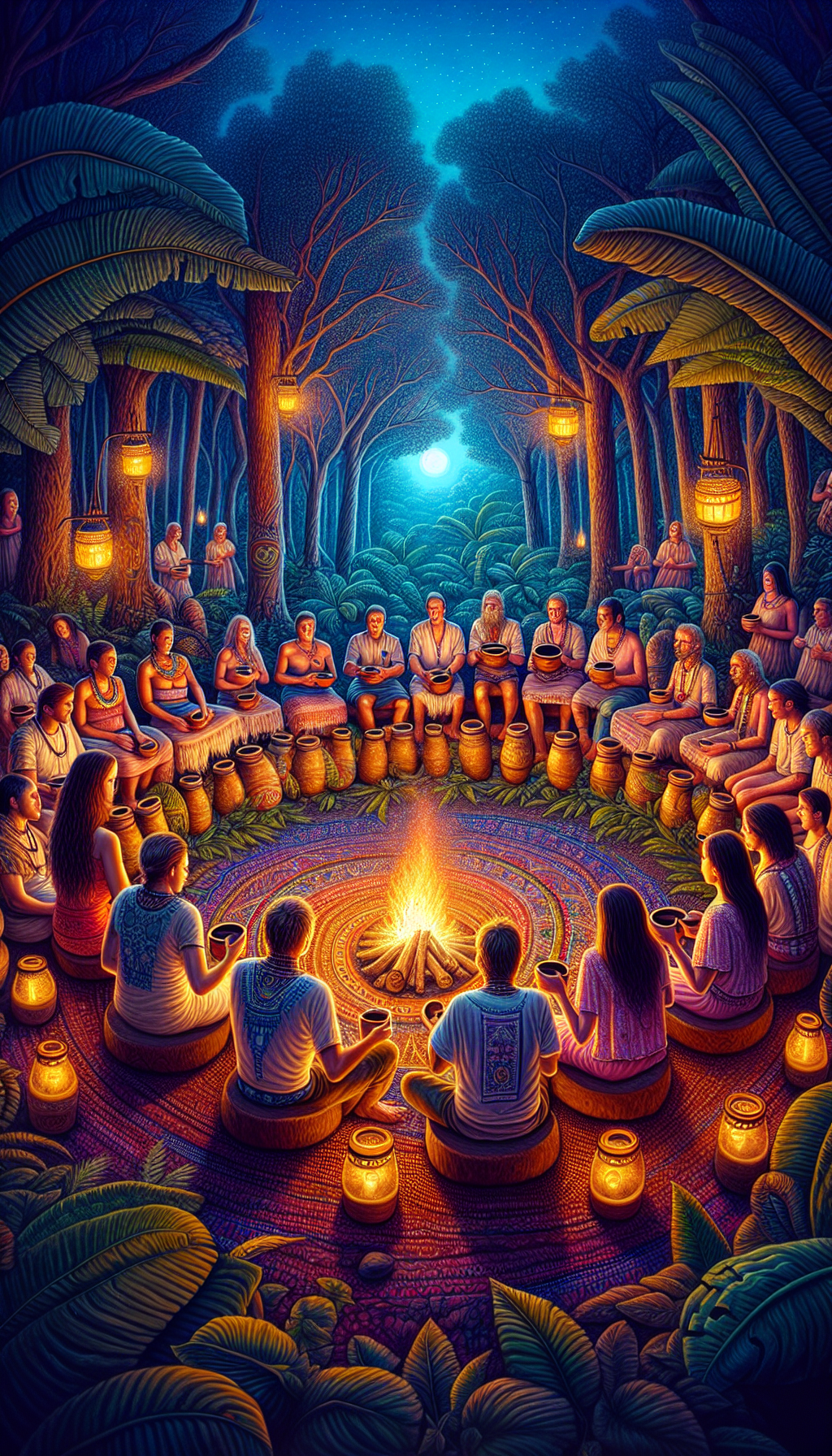 The healing process - Mother Ayahuasca healing ayahuasca ceremonies at one of several retreat centers in South America
The relationship between ayahuasca and mental health conditions is a topic of growing interest among researchers and practitioners. Ayahuasca has been associated with significant improvements in mental health conditions, including depression and anxiety. However, the intense emotional experiences induced by the ayahuasca brew can also lead to temporary distress, making it essential to approach its use with caution.
Let's delve into the clinical trials that have explored ayahuasca's efficacy and its broader therapeutic potential.
The Ayahuasca Clinical Trials
Clinical trials have provided valuable insights into the therapeutic benefits of ayahuasca, particularly for treating psychiatric disorders. One notable finding is the significant reduction in depressive symptoms observed in individuals following a single dose of ayahuasca compared to a placebo. These studies highlight ayahuasca's potential as a rapid-acting antidepressant, offering hope for individuals with treatment-resistant depression.
Review articles state that research from naturalistic and controlled studies suggests that ayahuasca may offer rapid and sustained benefits for certain psychiatric symptoms.
The active compound in ayahuasca, DMT, acts as a 5-HT2A agonist, which plays a crucial role in its psychoactive effects. This neurochemical mechanism, along with other pharmacological profiles, distinguishes ayahuasca from other psychedelic drugs like psilocybin. Research indicates that approximately 59.2% of individuals are interested in taking ayahuasca for therapeutic purposes, underscoring its growing appeal as an alternative treatment option for psychoactive drugs and the psychedelic drug experience.
These clinical trials emphasize the importance of conducting ayahuasca sessions in controlled environments to ensure participant safety and maximize therapeutic outcomes. The ritual context, often incorporated into these trials, enhances the psychological and spiritual benefits of ayahuasca, providing a holistic approach to mental well-being treatment.
NOTE: Ayahuasca is currently being investigated for its potential to treat post-traumatic stress disorder (PTSD).
Therapeutic Potential
Ayahuasca's therapeutic potential extends beyond its immediate antidepressant effects. Longitudinal studies suggest that the positive impact on depressive symptoms can last for several months after a single dose. This sustained benefit is a testament to ayahuasca's profound emotional and cognitive effects, which facilitate personal insights and psychological healing.
The combination of emotional release and cognitive insights during an ayahuasca session provides a comprehensive approach to mental well-being treatment. Traditional ayahuasca ceremonies emphasize the importance of the ritual context, which can significantly enhance the psychological and spiritual benefits of the experience. This holistic approach is particularly beneficial for individuals with treatment-resistant major depressive disorder, who have shown remarkable improvements in clinical studies, according to mental health clinicians.
Ayahuasca's ability to induce intense introspection and vivid imagery contributes to its unique therapeutic potential. Research indicates that these experiences are associated with the modulation of DMN activity, which plays a crucial role in self-referential thought and cognitive function. This makes ayahuasca a powerful tool for mental health treatment, offering a unique combination of emotional, cognitive, and spiritual healing.
Ayahuasca and Addiction Treatment
Ayahuasca has demonstrated significant potential in treating substance use disorders, particularly drug and alcohol dependence. The unique psychoactive properties of ayahuasca, combined with traditional rituals, create a powerful therapeutic environment that aids in addiction recovery. This holistic approach is vital for its therapeutic efficacy, as it integrates psychological healing with spiritual practices.
The context in which ayahuasca is used plays a crucial role in its effectiveness for addiction treatment. Rituals and religious elements incorporated into ayahuasca ceremonies enhance the therapeutic potential, providing a structured and supportive environment for participants. This setting allows individuals to confront and process the underlying issues contributing to their addiction, leading to lasting recovery.
Studies have shown that ayahuasca can significantly reduce cravings for substances like alcohol and tobacco, making it a valuable tool in addiction treatment. The integration of psychological and spiritual healing in ayahuasca ceremonies offers a comprehensive approach to addiction recovery, helping individuals achieve sustained sobriety and improved mental health.
Ayahuasca Legal and Ethical Issues
The legal status of ayahuasca varies significantly across the globe, reflecting a complex and often contradictory landscape. In the United States, according to the Drug Enforcement Administration, the ayahuasca vine is illegal due to the presence of DMT, a substance classified as Schedule I under the Controlled Substances Act. According to the Religious Freedom Restoration Act, certain religious groups have secured exemptions for its ceremonial use, highlighting the nuanced legal considerations surrounding this psychoactive ayahuasca brew and the broader context of illicit drugs.
In contrast, some South American countries allow the traditional use of ayahuasca, recognizing its cultural and spiritual significance. However, even within these regions, the legal framework can be inconsistent, with some areas imposing strict regulations or outright bans. This patchwork of laws creates challenges for both practitioners and researchers, complicating efforts to study the ayahuasca vine and its effects in a systematic manner.
Ethical engagement with ayahuasca traditions is essential, especially in the context of its growing popularity in the West. Participants should be aware of who leads the ceremonies and how retreats benefit local communities, ensuring that their involvement supports the preservation and respectful practice of indigenous traditions. Clear regulations and cultural sensitivity are key to navigating the ethical landscape of ayahuasca use.
Ayahuasca Tourism
Tourism has become a booming industry, drawing individuals from around the world to South America in search of healing and enlightenment. The allure of participating in an authentic ayahuasca ceremony, guided by experienced shamans, is a powerful draw for many. This surge in interest has had significant economic impacts on local communities, particularly in regions like Iquitos, Peru, where ayahuasca retreats generate millions of dollars annually.
However, the commercialization of ayahuasca experiences has also raised concerns about the potential dilution of traditional practices. As more tourists flock to these retreats, there is a risk that the ceremonies may cater more to the expectations of Western visitors rather than adhering to the authentic rituals and intentions of indigenous traditions. This shift can create new wealth hierarchies within indigenous communities and may even exclude locals from participating in their own cultural practices.
Ethical considerations are paramount in this context. It is crucial to ensure that ayahuasca tourism benefits local communities and respects their traditions. Participants should seek out retreats that prioritize cultural sensitivity and ethical engagement, supporting the preservation of indigenous practices while offering a safe, transformative experience.
There are many Ayahuasca retreat centers in Peru. However, one that is highly recommended is the Dreamglade Ayahuasca retreat, with caring, helpful staff and a trained shaman with many years of experience.
NOTE: Peru offers a diverse range of Ayahuasca retreat centers, but not all are equal or uphold the same values. Thorough research is crucial before you decide. Key factors to consider include the facility's safety, the shaman's credentials, and reviews from previous participants. This information will help you make an informed choice.
Neurobiological Insights
Recent research has shed light on the neurobiological effects of ayahuasca, revealing its profound impact on brain structure and function. One of the most notable findings is the significant reduction in activity within the Default Mode Network (DMN), particularly in the Posterior Cingulate Cortex and the medial Prefrontal Cortex. This decrease in DMN activity is associated with altered states of consciousness and introspection, similar to those observed in meditation and sleep.
Functional magnetic resonance imaging (fMRI) studies have provided further insights, showing decreased functional connectivity within the DMN, especially in the PCC/Precuneus area. Despite this reduction, the anti-correlation between the DMN and the Task-Positive Network remains unchanged, highlighting the unique neurobiological profile of ayahuasca.
These findings have sparked interest in the potential therapeutic benefits of ayahuasca for contemporary psychiatric illness, as they suggest a reorganization of brain activity that could facilitate emotional and cognitive health and healing.
My Personal Experience
Personal Experience: The following reflects my own journey and spiritual interpretation.
Throughout my life, I have participated in a few Ayahuasca ceremonies, each providing unique insights and challenges. However, my last two trips to Peru had a particularly transformative impact, profoundly opening my mind, spirit, and artistic expression in ways I never anticipated.
These most recent trips to Peru seemed guided by a sense of purpose I couldn't fully comprehend at the time. From the moment I felt the call to attend, I knew it was something I had to do, even though the reasons were unclear.
When I arrived at the retreat, I encountered an unusual phenomenon: at the start of both trips, I lost my voice, making it hard to express myself clearly. This sudden inability to speak was puzzling and concerning, yet I chose to go with the flow and see where it would take me. This inability to express myself lasted two days and popped up at unexpected times.
Despite this frustrating predicament, I decided to surrender to the journey, trusting that it would lead me to valuable revelations.
During my first journey to Peru, the ceremonies were challenging. Although the plant medicine (called dieta) taken before the ceremonies was difficult to swallow, I was surprised that the Ayahuasca tea was pleasant. The brew went down smoothly. On the first night of the ceremony, I drank the Ayahuasca tea, went to my space, and closed my eyes.
I was instantly taken to a realm of stunning sights that were hard to put into words, filling me with profound wonder and awe. It felt as though I was accessing a cosmic consciousness and connecting with something far greater than myself. It was peaceful and beautiful.
Suddenly, I felt as if I were being pulled away with the force of a high-speed vacuum. When I finally stopped moving, I found myself in a semi-dark room. There, I was confronted by dark and disturbing images that shattered my sense of peace.
This dimly lit space mirrored my inner self. I was now facing my inner reality—a reality deeply hidden within me. I encountered the unsettling, ugly aspects of my inner soul—deep-seated emotions buried within me. This confrontation frightened me as I delved into the complexities of my own psyche in a way I had never anticipated.
The Ayahuasca experience was undeniably challenging and at times deeply frightening, with visions and emotions that confronted me in unexpected ways. Yet, through the intensity of the experience, I began to move toward the light. When I returned to the ceremonial hall, the purging began with immense force. It took a long time to release what was inside me and for the shaman to work on me. The experience was extremely unpleasant, but necessary.
During these ceremonies, I felt as though I was shedding layers of spiritual blindness that had kept me from truly seeing and understanding my path. It was as if the fog that had obscured my perception lifted, allowing me to embrace a newfound clarity and insight.
Since those pivotal moments in Peru, I have committed myself to ongoing inner work and reflection, as I now realize that this journey of growth and discovery is continuous and never truly ends. Each day presents new opportunities to learn, heal, and expand my consciousness.
During a recent trip to Dreamglade Retreat in Iquitos, Peru, I saw an image of three faces through my third eye (the image is above and below this page). Additionally, the following message was given:
She is the spirit of the jungle.
She is a young girl.
She is a young woman.
She is an old woman.
She is all in one.
"For those who genuinely seek Mother Ayahuasca with good intentions, she offers healing, guidance, and wisdom."
The following paintings followed the ceremonies
Mother Ayahuasca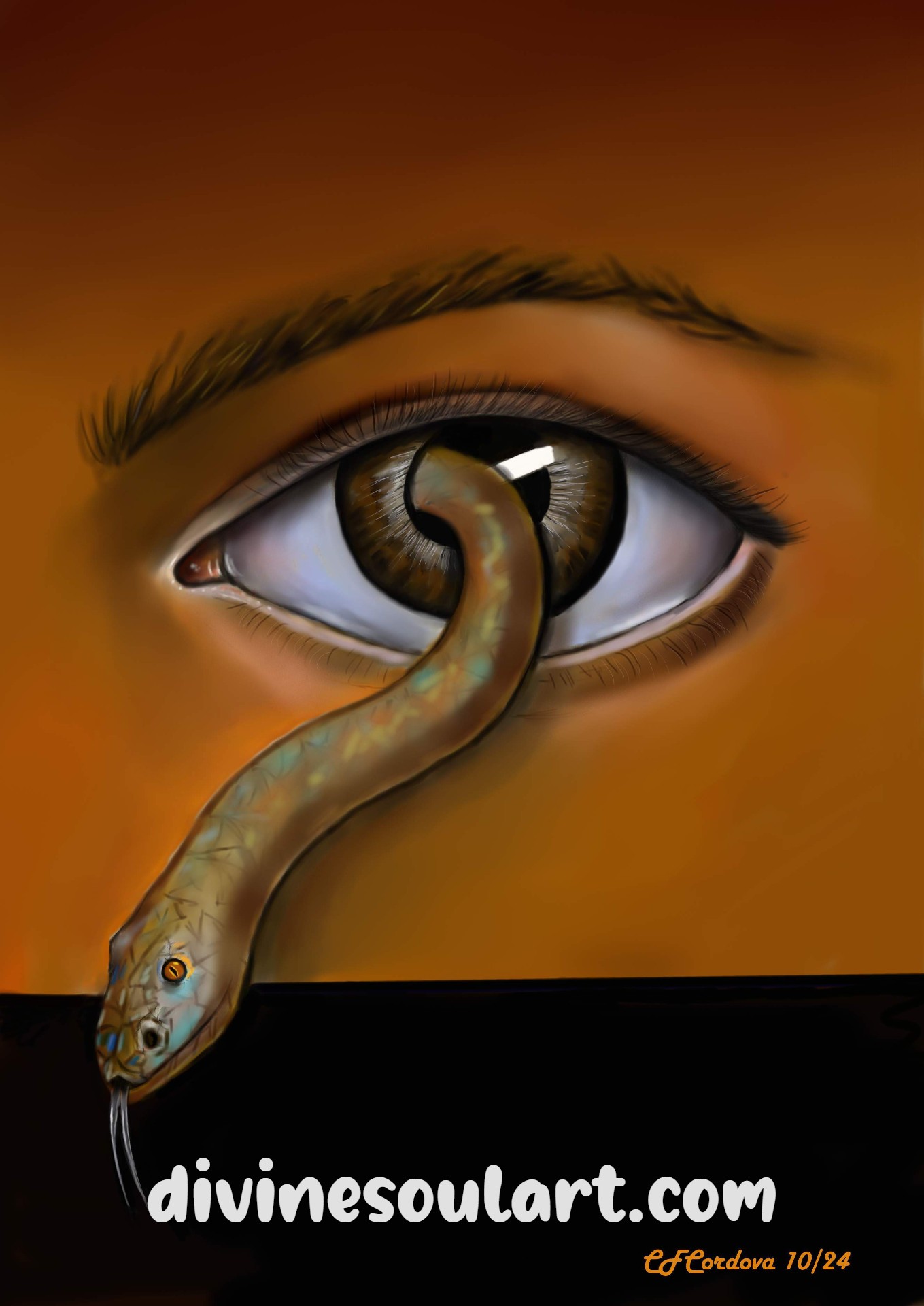 The snake and the eye
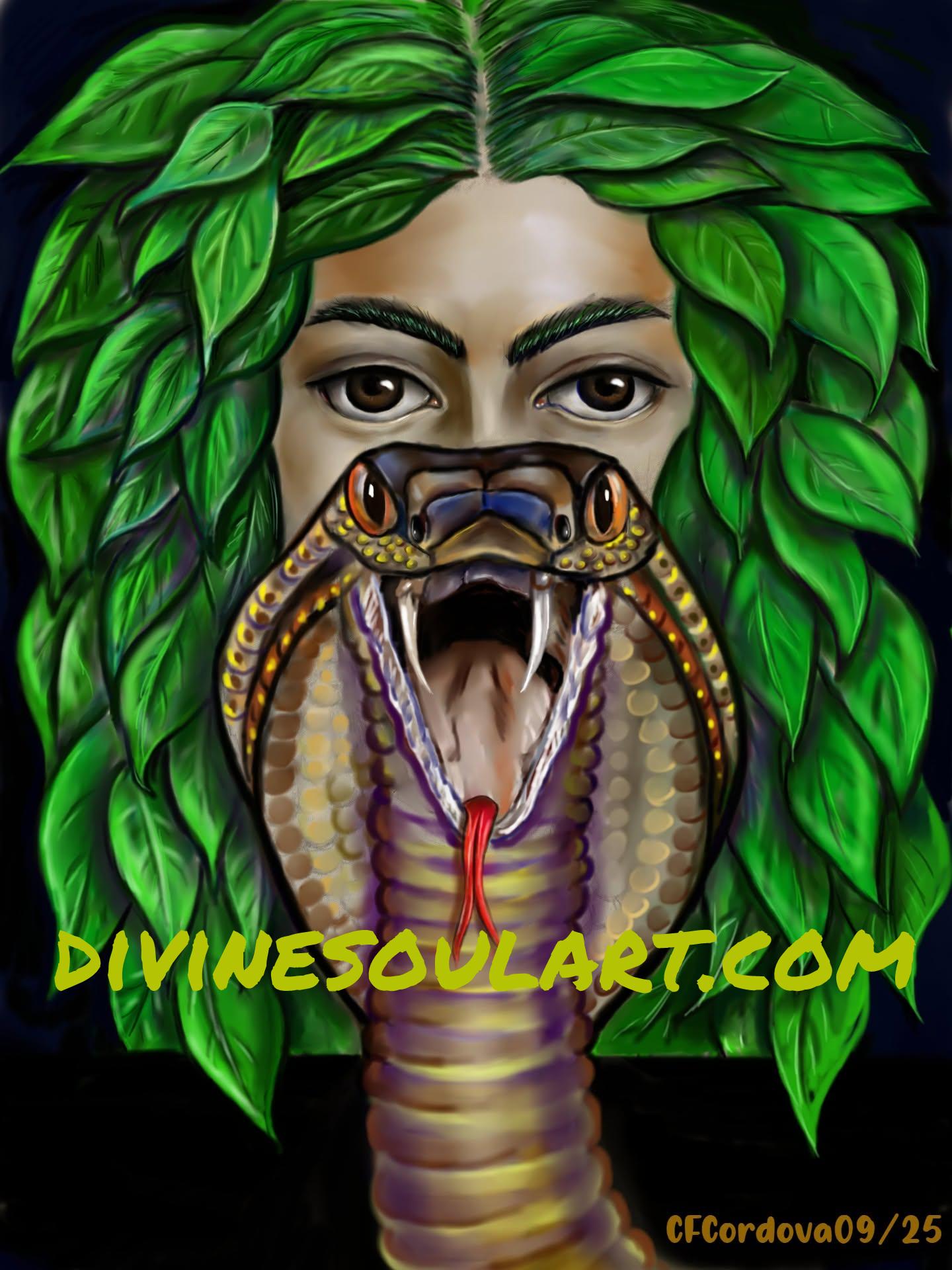 Mother Ayahuasca and the cobra
Research-Based Note: The answers below provide a general overview. Because ayahuasca may affect people differently and may interact with medications or health conditions, readers should seek qualified medical guidance when safety questions are involved.
Frequently Asked Questions About Ayahuasca
Helpful Note: Ayahuasca is understood in different ways by different people. For some, it is a sacred plant medicine rooted in Indigenous tradition. For others, it is a subject of spiritual, personal, or therapeutic interest. The answers below offer a general introduction and are not medical advice.
What is ayahuasca?
Ayahuasca is a traditional Amazonian plant brew that has long been used in ceremonial and spiritual settings by Indigenous communities in South America. Many people describe it as a sacred medicine associated with inner reflection, emotional intensity, and altered states of consciousness.
What is ayahuasca made from?
Ayahuasca is commonly prepared from the Banisteriopsis caapi vine and a DMT-containing plant such as Psychotria viridis. These plants are traditionally combined to create the brew used in ceremony.
Why do people take ayahuasca?
People seek ayahuasca for many reasons, including spiritual growth, emotional healing, self-discovery, and interest in its possible therapeutic effects. In traditional settings, its use is deeply connected to ceremony, guidance, and respect for the medicine.
What does the ayahuasca experience feel like?
The experience can vary greatly from person to person. Some people report visions, emotional release, spiritual insight, or a deep sense of connection. Others may experience discomfort, fear, nausea, or physical purging as part of the process.
How long do ayahuasca effects last?
Ayahuasca effects often last around 4 to 6 hours, though the exact experience may vary depending on the person, the preparation, the setting, and other factors.
Is ayahuasca safe?
Ayahuasca is not without risk. It can have strong physical and psychological effects, and it may not be appropriate for everyone. People with certain medical conditions, mental health concerns, or medication use should seek qualified medical guidance before considering it.
Can ayahuasca interact with medications?
Yes. Ayahuasca may interact with antidepressants, psychiatric medications, and other substances that affect serotonin, mood, or blood pressure. Because these interactions can be serious, caution and medical guidance are very important.
Is ayahuasca legal?
The legal status of ayahuasca varies from country to country. In some places it is restricted, while in others certain ceremonial or religious uses may be permitted under specific conditions.
Is ayahuasca a recreational drug?
In traditional practice, ayahuasca is generally not viewed as a recreational substance. It is approached as a sacred plant medicine and is often used with preparation, ceremony, and guidance.
Do I need preparation before an ayahuasca ceremony?
Many people believe preparation matters greatly. Depending on the tradition or retreat, preparation may include dietary changes, reflection, rest, and avoiding certain substances or medications. Safety screening is also important.
Summary
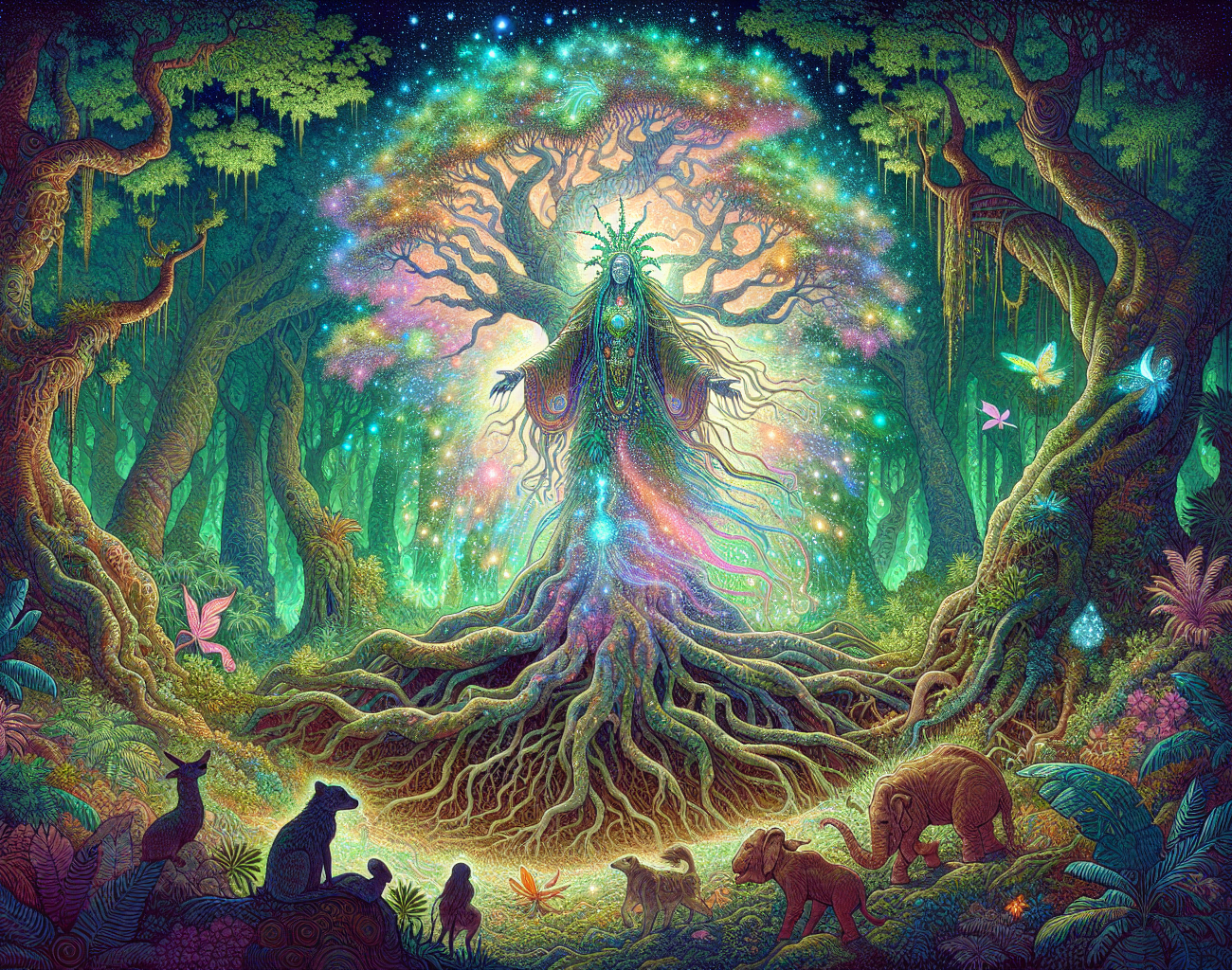 Spiritual World where Mother Ayahuasca or Mother Earth guides you through your healing journey
Although Ayahuasca is classified as a controlled substance in the United States, a few registered churches are legally allowed to use it under religious freedom laws.
Mother Ayahuasca offers a profound and multifaceted experience that bridges ancient traditions with modern therapeutic practices. Its potential benefits for mental health, addiction treatment, personal healing, and spiritual growth are supported by both anecdotal evidence and rigorous scientific research. However, the use of ayahuasca also comes with risks and ethical considerations that must be carefully navigated.
In summary, Mother Ayahuasca represents a powerful tool for personal growth and personal healing. By approaching its use with respect, mindfulness, and an awareness of the cultural and legal landscape, individuals can unlock its full potential. Whether for mental health issues, spiritual exploration, or addiction recovery, ayahuasca continues to captivate and transform those who seek its wisdom.
If you plan to visit South America for an Ayahuasca trip, make sure it's an authentic Ayahuasca ceremony, held in a safe environment and guided by an experienced, trained shaman.
Remember that Ayahuasca is a psychedelic drug. If you are taking any medication, such as high blood pressure medication or psychoactive drugs, let the trained Shaman know before taking Ayahuasca.
It is better to be safe than sorry.
To attain further information on Ayahuasca, contact the International Center for Ethnobotanical Education.
Remember, Ayahuasca is not a recreational drug. It is a plant medicine used for spiritual healing and should be treated with respect and care.
Related Articles
Click below and views more than 600 pieces of spiritual artwork

Spiritual Books
If you enjoy the articles on this website, you will also appreciate the short stories in the books below. Click here and continue the journey.