What Do Spirits Look Like?
Common Forms and Signs
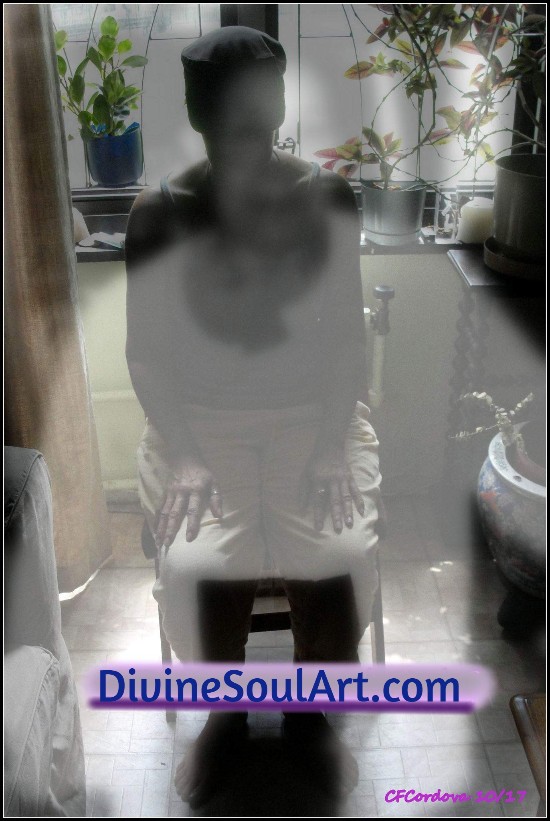 What do spirits look like?
Communicating with the spirit world
What do spirits look like?
Communicating with the spirit worldOn this page:
- Reported experiences
- Common ways spirits are reported to appear
- Spiritual light orbs
- Faces, clothing, and recognizable details
- Different types of spirits
- How culture and era shape appearances
- Why people see spirits differently
- How spirits are perceived beyond sight
- People want to know
- My interpretation of spirit entities
- Images of spirit guides
Introduction
What do Spirits Look Like?
Have you ever wondered, "What do spirits look like?" If so, you are not alone.
One woman said that spirits can interact with living humans while appearing fully intact. Other people describe spirits in many forms: human-shaped figures, mists, shadows, orbs of light, and sometimes vivid, lifelike apparitions that seem as real as any living person. The truth is, there's no scientific consensus on what spirits “really” look like. Most descriptions come from personal experiences, folklore, and cultural traditions passed down through generations.
Before diving deeper, it helps to understand the difference between ghosts and spirits. A ghost is often described as an earthbound presence—an impression that is linked to a specific location. Some remain in this realm because they believe they have unfinished business. A spirit, on the other hand, typically refers to the soul of a deceased person that has crossed over to the other side but can still appear to the living. Their reported appearances can differ significantly, though both are part of the broader spirit world that has fascinated humanity for millennia.
This article explores the common visual forms people report, how culture and era shape these descriptions, and how perception, psychology, and belief influence what witnesses think they're seeing.
Most commonly reported spirit appearances include:
- Full-bodied apparitions — human-like figures that can appear solid and lifelike.
- Shadow figures — dark silhouettes with little or no visible detail.
- Mists or vapors — cloudy white, gray, or bluish forms.
- Orbs or lights — floating spheres, glows, or streaks of light.
- Recognizable loved ones — spirits described with familiar faces, expressions, clothing, or gestures.
Summary Chart of Common Reported Spirit Forms
Across reported encounters, folklore, and spiritual interpretation, spirits are most often described in a few recurring forms. This chart helps readers understand the most common patterns.
| Reported form | What it looks like | How clear it appears | Common context |
|---|---|---|---|
| Full-bodied apparition | A lifelike human figure, sometimes in period clothing | Very clear | Bedrooms, hallways, historic places, direct encounters |
| Partial apparition | Only part of the figure is visible, such as a face, hands, torso, or upper body | Moderately clear | Doorways, mirrors, edges of rooms, brief sightings |
| Shadow figure | A dark human-shaped silhouette with little or no facial detail | Low detail | Corners, walls, peripheral vision, nighttime sightings |
| Mist or vapor | A white, gray, or bluish cloud-like form | Blurry | Cold areas, cemeteries, haunted locations, low light |
| Orb or light | A small floating sphere, glow, or streak of light | Very unclear | Photographs, videos, dark rooms, paranormal investigations |
| Recognizable loved one | A deceased person appearing with familiar clothing, face, or expression | Often clear or emotionally vivid | Grief experiences, home settings, visitation-style encounters |
| Sensed presence | No clear figure, but a strong feeling that someone is there | Non-visual | Cold spots, sounds, smells, pressure on bed, emotional impressions |
What Do Spirits Look Like
According to People's Experiences
A woman in 1980s Ohio wakes at 3 a.m. to find her grandmother standing at the foot of her bed, wearing the same floral dress she wore to Sunday dinners in the 1960s.
A security guard in an old London hospital reports a nurse in a 1940s uniform walking down a corridor—then passing through a locked door.
A child in a suburban house sees a man in a military uniform standing in the corner of his room, only to learn later that a World War II soldier once lived there.
A woman wrote to me once and described seeing the Shadow Man or Hat Man's spirit multiple times since childhood. This spirit has helped her through many challenging life encounters. She depicts the spirit as a tall, dark, shadowy figure who wears a hat and moves quickly.
When I was a child, I would have nightly visits from the spirit of an old man. Whenever I opened my eyes, he would be standing by my bed, just staring at me. His face was pale white, glowing with distinct facial features. He never spoke; he just stared and disappeared whenever I screamed, prompting my parents to turn on the lights. After spiritual mediums helped him cross over, he stopped reappearing. Much later in life, I learned that an older man had lived in the apartment and died there. He was harmless and lost.
Many accounts share common threads. Many witnesses report seeing full-bodied human figures that look as solid as any living person—complete with realistic skin tones, facial expressions, and period-accurate clothing. Others describe partial figures: just a head floating near the ceiling, hands reaching from shadows, or an upper body that fades to nothing below the waist.
Ghost sightings also include less defined forms:
- Shadowy silhouettes without clear features
- White, gray, or bluish mists that gather into vague shapes
- Points or spheres of light that drift through a room
Some people sense a presence without seeing anything definite—a sudden drop in room temperature, or hair standing on end. They might catch movement in their peripheral vision, a fleeting shape that vanishes when they look directly at it, or a presence standing next to them.
What's striking is how these patterns repeatedly appear. Whether you're reading accounts of 19th-century British parlor hauntings or modern ghost sightings documented in the 2020s, the main categories of appearance remain similar across time and place.
FOOD FOR THOUGHT:
Why do spirits or ghosts appear to certain people and not others?
Common Ways Spirits Are Reported to Appear
 Spirit World - Energy of Deceased people
Despite the variety in ghost stories, reported spirit appearances fall into a few recurring categories. These appear in modern paranormal investigations and in older folklore alike, suggesting something universal about how humans perceive or imagine the dead.
Full-bodied apparitions are the most dramatic form. Witnesses describe clear, human-like figures in everyday or period clothing. A nurse in a 1940s hospital uniform, a man in Victorian formal attire standing in a hallway, and a woman in a 1920s flapper dress crossing a ballroom. These apparitions often look completely solid until they walk through a wall or vanish in mid-air.
Partial apparitions show only heads, hands, or torsos. Some accounts describe figures that fade out below the waist or above the shoulders, as if lacking the energy to fully manifest. A face might appear in a mirror. Hands might press against a window from inside an empty room.
Shadow figures are dark, person-shaped silhouettes without detailed facial features. They're often seen crossing doorways, standing in corners, or moving along walls. Unlike the clarity of full apparitions, shadow figures feel more like an absence of light than a presence of form.
Mists and vapors appear as white, gray, or bluish clouds that sometimes gather into vague shapes. Photographers have captured these at night in haunted locations like old cemeteries and battlefields—though skeptics attribute many to breath vapor in cold air or camera artifacts.
Orbs and lights are small, floating, translucent spheres or streaks. They appear in photographs taken seconds apart, moving through the frame. While paranormal investigators debate their meaning, skeptics point to dust, moisture, and lens effects.
In many stories, the spirit's appearance seems tied to how the person looked at a particular point in life—often healthier or more vibrant than at the moment of death. A grandmother might appear as she looked in middle age, not in her final days of illness.
Spiritual Light Orbs
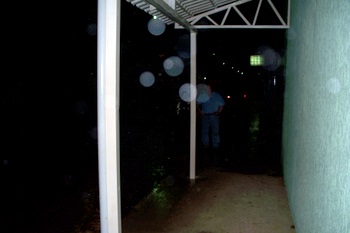 orbs - other forms of manifestation -spirit world
Light orbs are three-dimensional spheres of light that frequently appear in photographs and videos taken in areas with high spirit energy activities. These circular light anomalies are thought to be manifestations of spirits or energies, symbolizing eternity, unity, and wholeness in various spiritual beliefs. Sightings of ghost orbs are most common in places with significant emotional histories, where spirits may linger. This makes such locations popular among ghost hunters and parapsychologists.
Faces, Clothing, and Details: How Recognizable Are Spirits?
 Life force of physical body and spirit -a human experience
One of the most common questions people ask: Do spirits have faces? Can you recognize them?
Many reported encounters suggest yes. Witnesses frequently describe:
- Clear faces with visible emotions—sadness, worry, peace, or even amusement
- Recognizable traits like eye color, hairstyles, scars, beards, or signature jewelry
- Clothing from specific decades, such as a 1920s evening gown, a 1970s denim jacket, or military uniforms from World War I or II
People often recognize deceased relatives or historical figures from these details. In some cases, witnesses later confirm the clothing by finding old photographs they'd never seen before.
A detailed encounter: In a 2015 account from rural England, a woman reported seeing her late father sitting in his favorite armchair. She described his checked shirt, reading glasses, and the way he crossed his legs—details that matched photographs from the 1980s. He looked directly at her, smiled, then faded away.
A vague encounter: A man in a 2008 New York apartment reported waking to find a figure standing by his bedroom door. He couldn't make out a face—just a hooded, dark form that seemed female based on posture and height. Despite the lack of features, he felt certain it was his mother who had passed years before.
Some spirits present themselves with photographic clarity. Others remain frustratingly indistinct, yet still feel intensely personal to those who sense their presence.
Different Types of Spirits and How They're Said to Look
Various traditions and paranormal investigators distinguish between different kinds of entities, each with characteristic appearances and behaviors.
Earthbound ghosts are thought to remain tied to the earth plane for various reasons—trauma, attachment to a location, or unfinished business. They often appear human-shaped but duller in color, sometimes repeatedly reenacting a specific action. A ghost might walk the same corridor every night or stare out the same window, seemingly unaware of observers.
Intelligent spirits are those that seem aware and responsive. They can appear sharper and more detailed than residual ghosts, sometimes making eye contact, gesturing, or attempting to communicate. Witnesses describe these encounters as feeling like genuine interaction with a conscious being.
Poltergeist phenomena rarely produce visible figures. Instead, witnesses experience objects moving on their own, unexplained knocks and bangs—the classic noisy ghost activity. Visual hints are typically fleeting: a darting shadow, a blur near a flying object. Reports from late-20th-century suburban homes often describe poltergeist activity without any visible figure.
Non-human and folklore-based entities include shadow people and regional spirits like White Lady figures. Shadow people are described as tall, dark silhouettes with no clear features—sometimes wearing what appears to be a hat or cloak. White Ladies, found in European and Asian folklore, appear as pale, robed or veiled women, often connected to stories of tragic deaths.
Some modern accounts even include pets. People report seeing deceased dogs or cats—small, solid-looking animals that jump on the bed or walk down a hallway before vanishing. These encounters carry the same emotional weight as seeing deceased loved ones.
How Culture and Era Shape What Spirit Entities Are Believed to Look Like
What people expect to see strongly influences what they report. Spirit appearances in stories shift dramatically across cultures and historical periods.
In ancient civilizations like Egypt and Mesopotamia, the dead were imagined as almost exact replicas of their living bodies. Tomb art and funerary texts depict the deceased with their clothing, tools, and physical features intact—ready for an afterlife that mirrored earthly existence.
Medieval European stories portrayed spirits as solid, fully formed figures in everyday clothing or armor. These ghosts physically interacted with the living—touching them, moving objects, delivering messages. This reflected Catholic beliefs about purgatory and penance, where the dead might return seeking prayers or resolution.
The Victorian and Edwardian eras (19th to early 20th century) shifted toward more ethereal depictions. Ghosts in literature and stage productions became pale, draped in flowing white, and semi-transparent. This cultural influence shaped how real people described their own sightings during that period.
Regional variations persist today:
- East Asian traditions often depict ancestors as similar to their living selves, sometimes in formal or traditional dress. They expected the energy of their loved ones to return during festivals such as Qingming in China or Obon in Japan.
- African and Caribbean traditions encounter ancestral spirits through ritual contexts, visions, and dreams. Appearances often include culturally specific clothing, symbols, and colors meaningful to the community.
- Western popular culture has created its own visual vocabulary—from translucent figures in white sheets to menacing demons with horns and tails, though these cartoonish depictions rarely match what people describe in genuine encounters.
The cross-cultural theme that keeps reappearing: the dead often look like they did in life, appearing in forms their loved ones will recognize.
Why Do People See Spirit Entities Differently?
Spiritual interpretations suggest spirit entities can choose how they appear. Some believe a soul might present itself as younger, healthier, or dressed in clothing that makes it easier for the living to recognize. Others propose that spirits have only limited energy to manifest, which explains why some appear as full figures while others appear only as a misty outline or a point of light.
Even within families, different people describe the “same” spirit encounter in different ways. For instance, one family member might clearly see a figure standing in the doorway and vividly describe its appearance and demeanor. In contrast, another person in the same room may not see the figure at all but instead feels an inexplicable presence, as if someone is sitting on the bed beside them, creating a palpable sense of warmth or unease.
In some cases, the level of spiritual development can determine how the person senses spirits
How People Perceive Spirit Entities: Beyond Just Sight
What a spirit looks like is only part of the encounter. Many experiences involve other senses—or intuitive impressions that don't fit neatly into sensory categories.
Non-visual cues commonly reported include:
- Temperature changes: Sudden cold spots in otherwise warm rooms, localized around where a presence is felt
- Sounds: Footsteps in empty hallways, whispering voices, unexplained knocks, or music tied to a deceased person's era—a 1940s song playing in an empty house
- Smells: Tobacco smoke when no one is smoking, perfume a grandmother wore decades ago, flowers, or even hospital disinfectant linked to where someone died
- Physical sensations: A light touch on the arm, pressure on the bed as if someone sat down, or the unmistakable feeling of someone standing directly behind you
Some people see spirits internally rather than as external figures. They experience vivid mental images, dreams, or sudden flashes—impressions of faces and clothing that feel more like downloads than observations. Yet they describe these inner visions with the same detail as those who claim to see with their physical eyes.
Mediums and those who identify as sensitives often perceive spirits differently. They may receive detailed mental pictures, symbolic imagery, or see colored lights around a person. Their ability involves translating these impressions into descriptions for others—turning the form of an essence into words.
Understanding how spirits appear requires recognizing that appearance blends visual, sensory, and emotional perception in ways that vary dramatically from person to person. Someone who has never seen a spirit in the traditional sense may still have had a profound and undeniable encounter.
People Want to Know
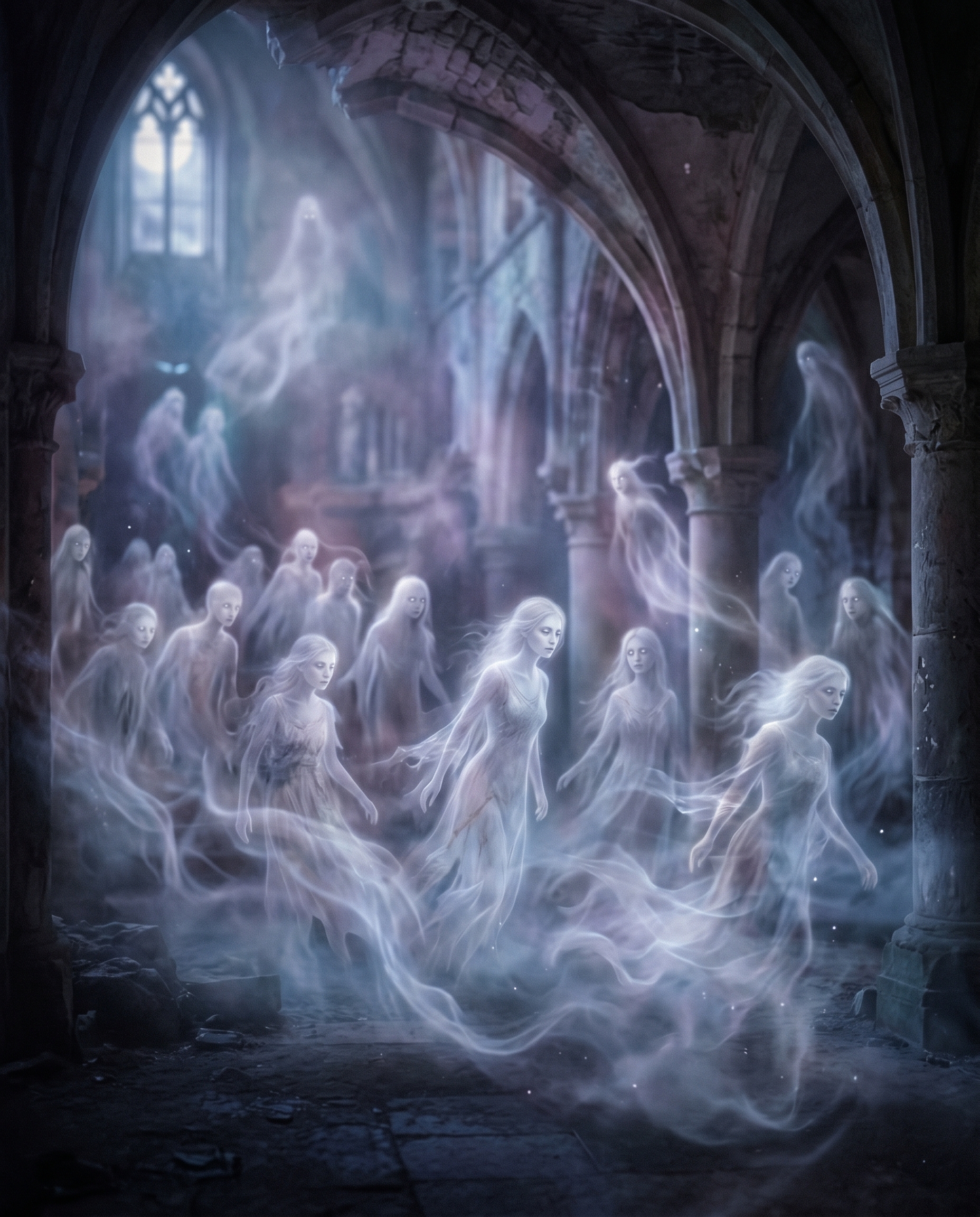 ghosts and spirits
1-Do all spirit entities look like they did right before they died?
Many anecdotal accounts suggest spirits often appear as they did during healthier or more recognizable times in life. A person who died elderly and ill might appear as they looked in middle age—more vibrant and easier to identify. This pattern appears across cultures and seems designed, whether consciously or not, to comfort the living.
In some traditional beliefs, the soul chooses a form reflecting its “best self” rather than its final physical state. The essence persists beyond the body's decline.
However, in stories involving traumatic deaths—wars, accidents, violence—some witnesses describe clothing or context hinting at how the person died. A soldier might appear in a torn uniform. A crash victim might be present near a particular stretch of road. Visible injuries are rarely graphic in these accounts, but the circumstances of death sometimes leave their mark on appearance.
2-Can spirit entities change how they look from one visit to another?
Many witnesses claim the same spirit has appeared differently over time: sometimes clearer, sometimes more mist-like, or at different apparent ages. A deceased father might first appear as an indistinct presence, then weeks later as a clear figure in the corner of the room.
Additionally, a child who died at a very young age may initially appear as a child, but over time, the child can appear to the person as a young adult.
Spiritual interpretations suggest that appearance can shift with the available energy, the living person's emotional state, or the message being conveyed. A spirit might appear more solid when the moment is especially important.
3-Why do some people see spiritual entities clearly while others never do?
There's no proven scientific explanation. Theories include differences in sensitivity, attention, belief systems, cultural background, and openness to interpreting ambiguous sensations as supernatural.
Many cultures assume certain people are more likely to perceive the spirit world: children (whose minds are more open), people in grief (whose awareness is heightened by loss), or those visiting haunted houses or spaces with high levels of spirit activity.
Some people report only sensing a presence—never seeing a defined form. A friend might enter the same room where you saw a clear apparition and feel absolutely nothing. Perception varies, and not everyone registers the same phenomena—or does so in the same way.
4-Can cameras and phones really capture what spirit entities look like?
Photos and videos showing orbs, mists, or figures remain controversial. Some people view them as evidence from the other side. Skeptics point to dust particles, moisture droplets, lens flares, long exposure blur, and digital artifacts as natural explanations.
Interestingly, the images people capture often match the categories witnesses describe in person: lights, shadows, and partial human-like shapes. Whether this reflects something real or simply confirms that cameras capture the same environmental factors our eyes misinterpret is an ongoing debate.
Professional paranormal investigators typically try to rule out natural explanations—checking lighting conditions, camera settings, and environmental factors—before considering anything supernatural. A single photograph rarely proves anything on its own.
5-If I see something, how can I tell if it's a spirit or my imagination?
There's no simple test. Practical steps include:
- Check for natural causes: Shadows from passing cars, reflections in glass, drafts, sounds from pipes or neighbors
- Note the conditions: Low light and fatigue make the brain more likely to fill in gaps
- See if it repeats: Does the same thing happen under similar circumstances?
Recording details immediately helps—time, place, your emotional state, exact appearance, and any sounds or smells. A journal entry written within minutes is far more reliable than a memory recalled weeks later.
Intense emotions, exhaustion, and fear can heighten imagination. Taking a calm, observant approach—while respecting your own feelings—is the most balanced way to assess what you may have experienced. Whether the explanation is supernatural or psychological, your experience was real to you, and understanding it better starts with careful attention to detail.
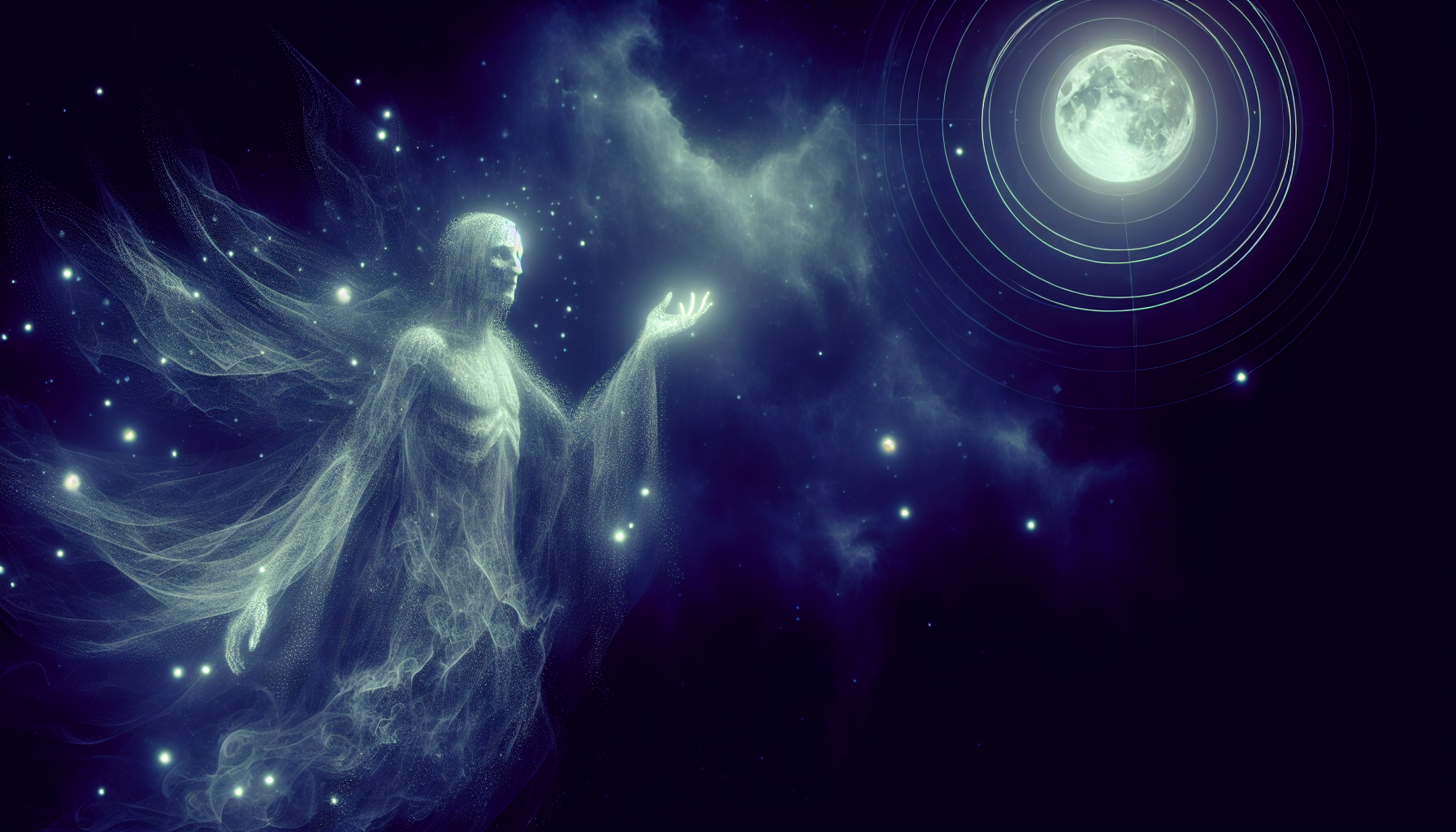
My Interpretation of Spirit Entities I Have Encountered
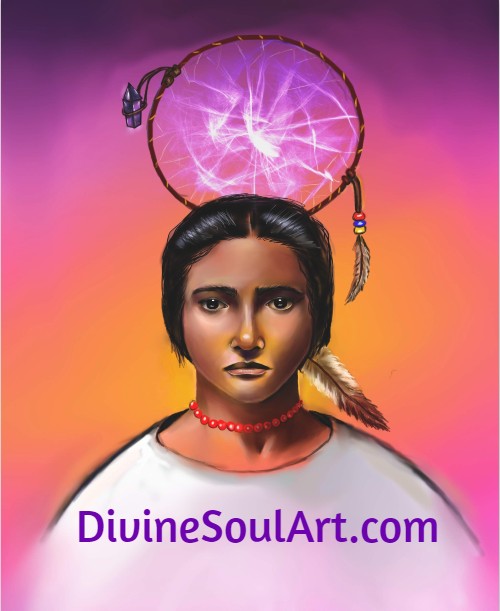
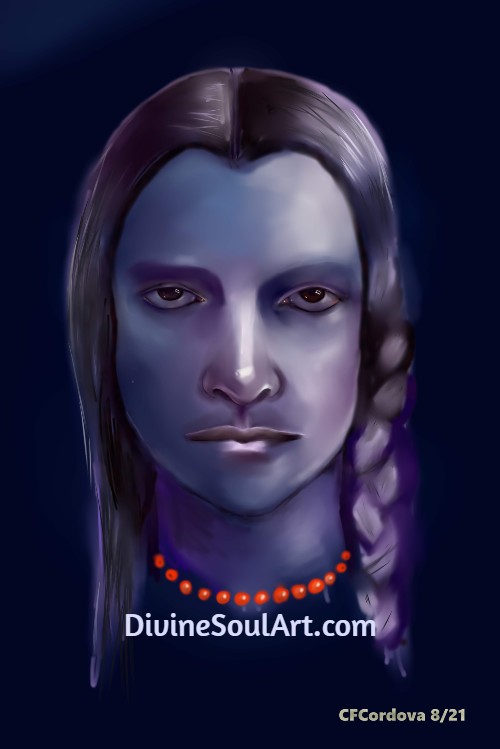
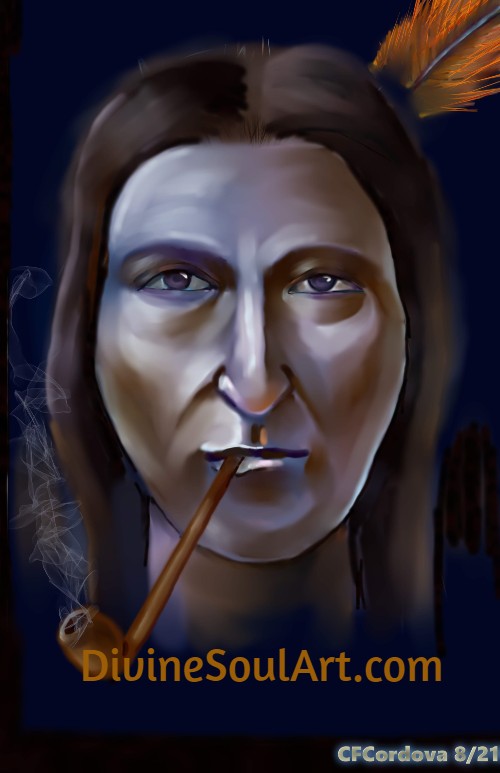
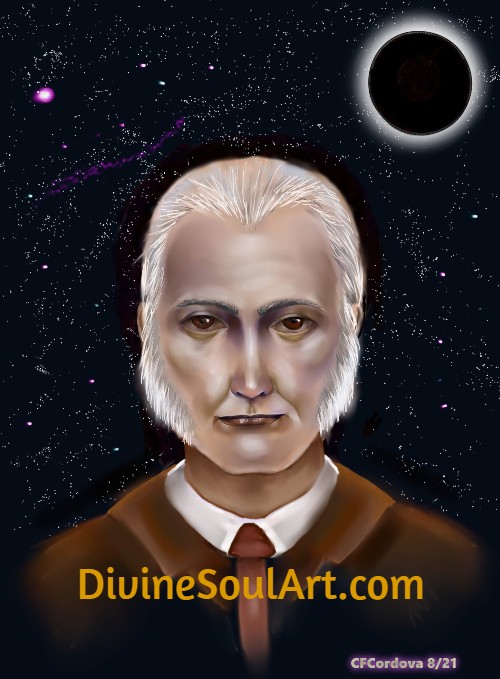
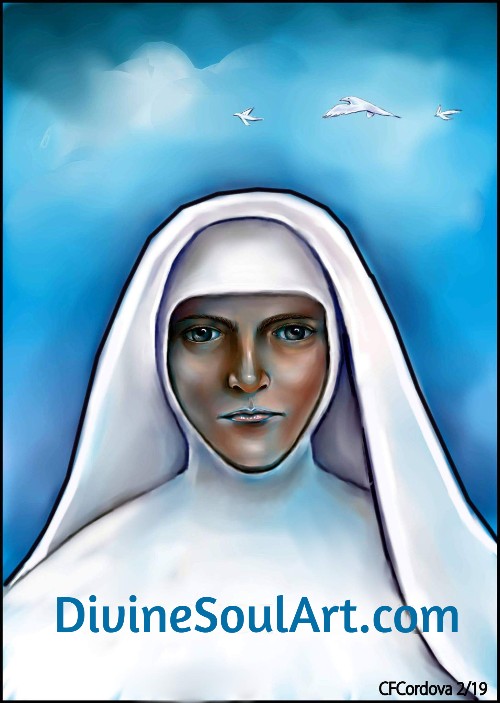
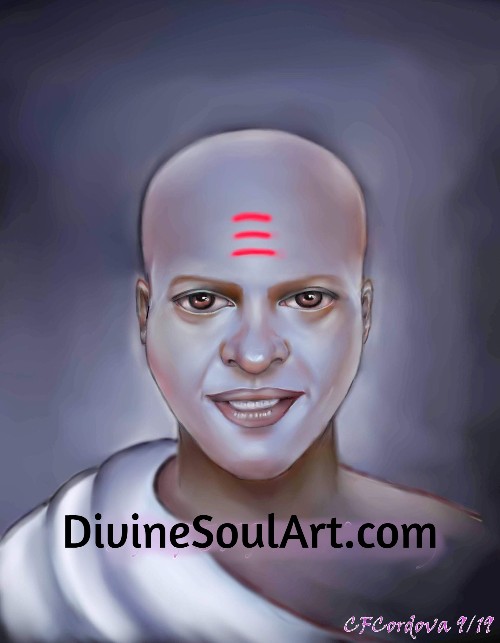
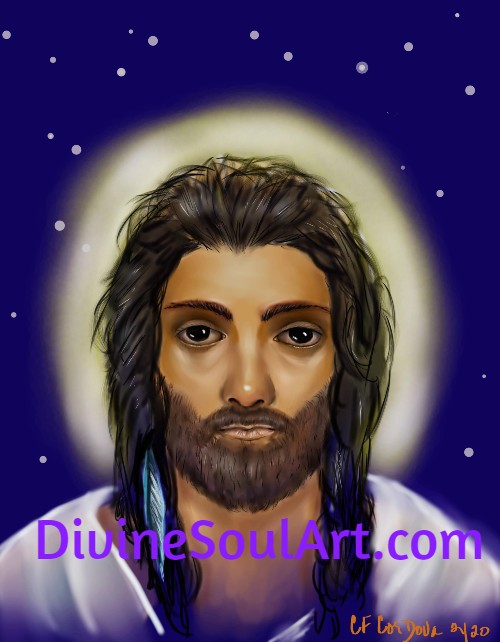
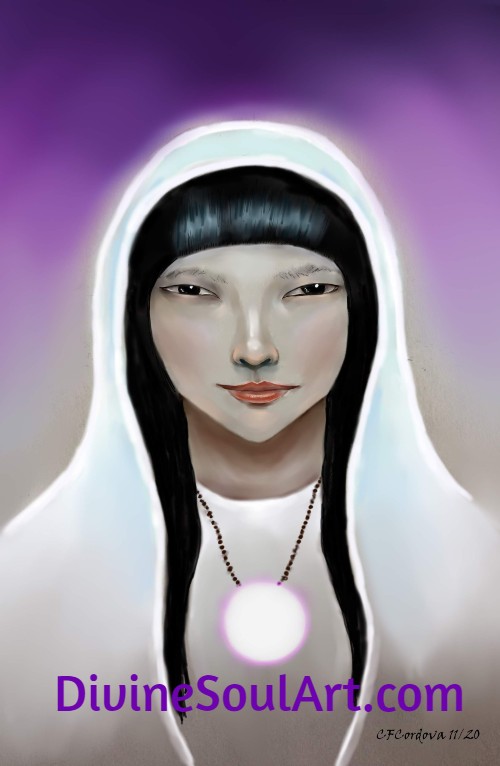
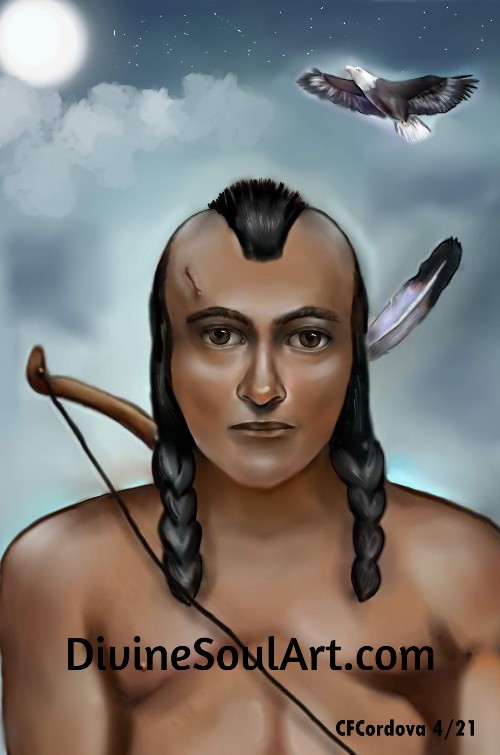
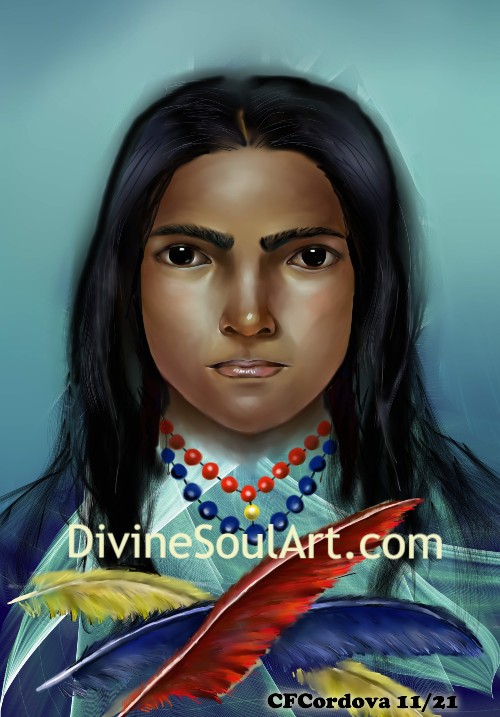
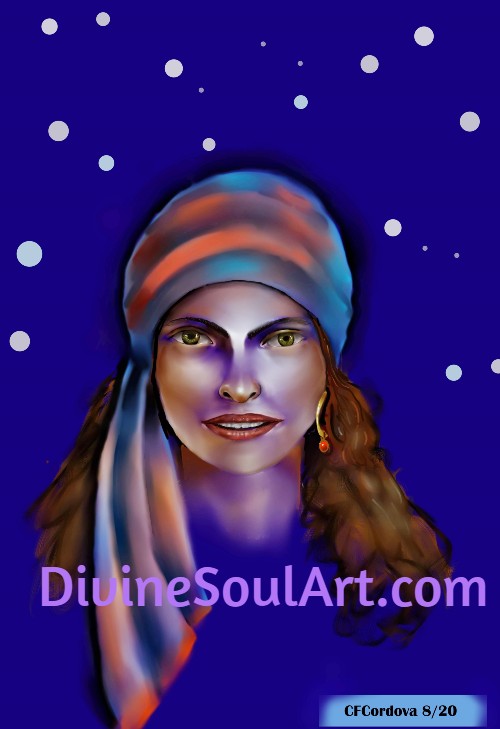
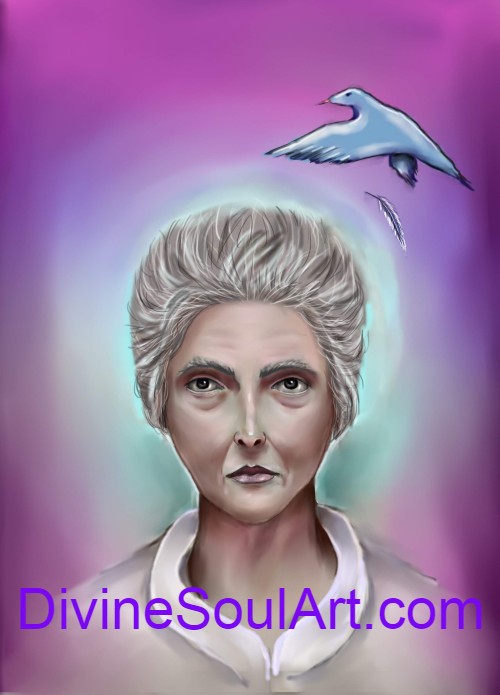
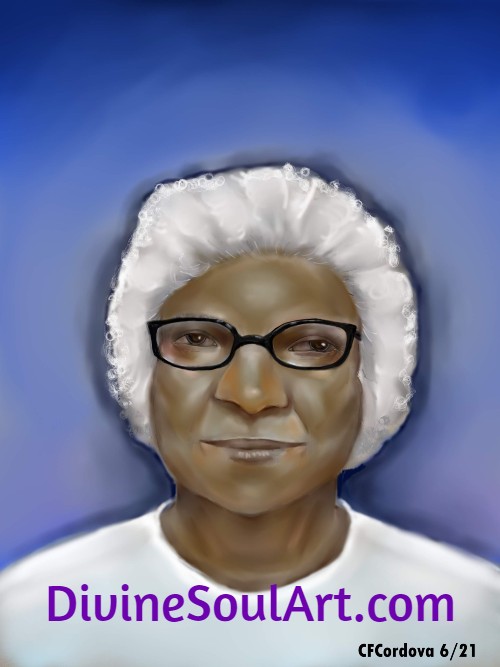
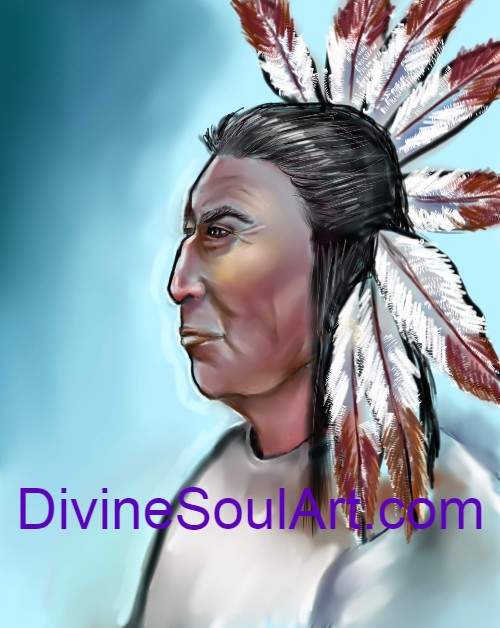
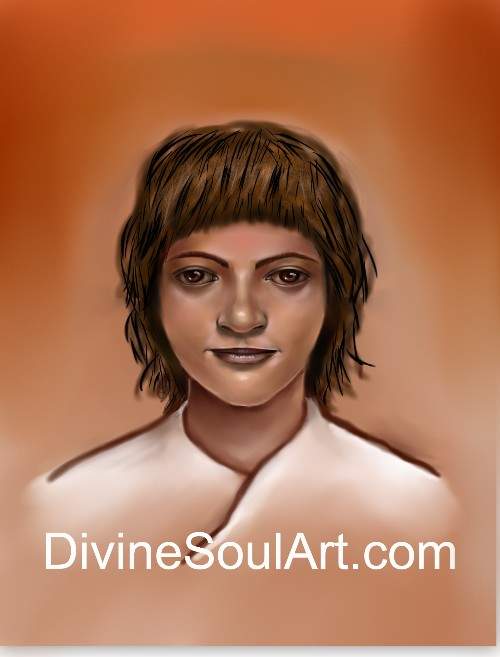
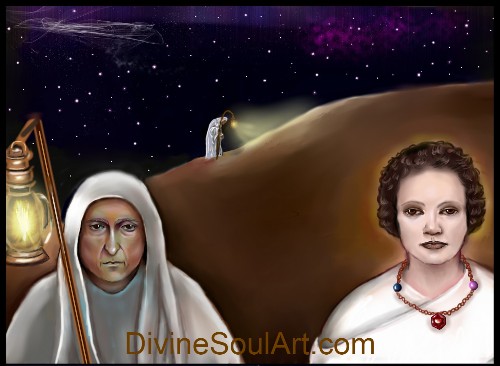
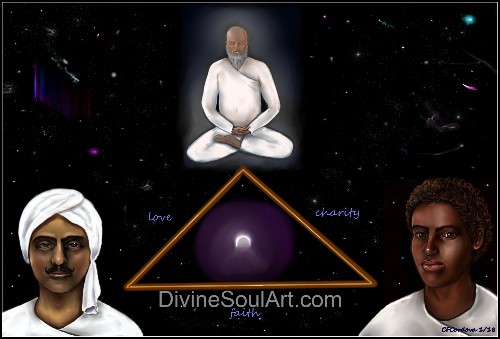
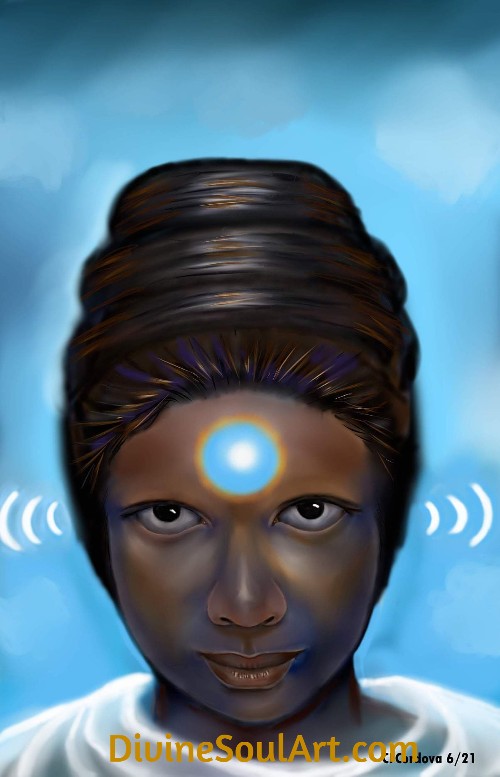
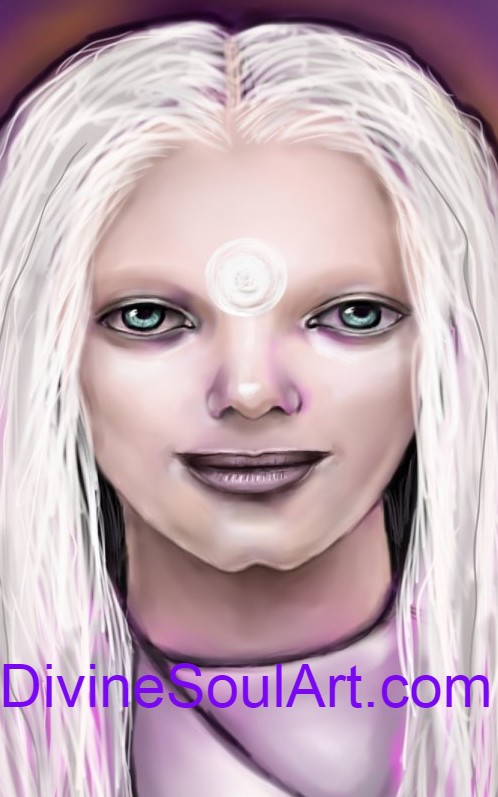
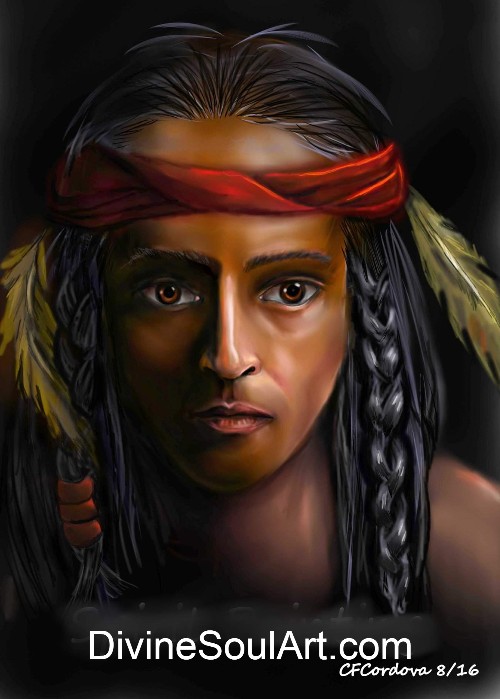
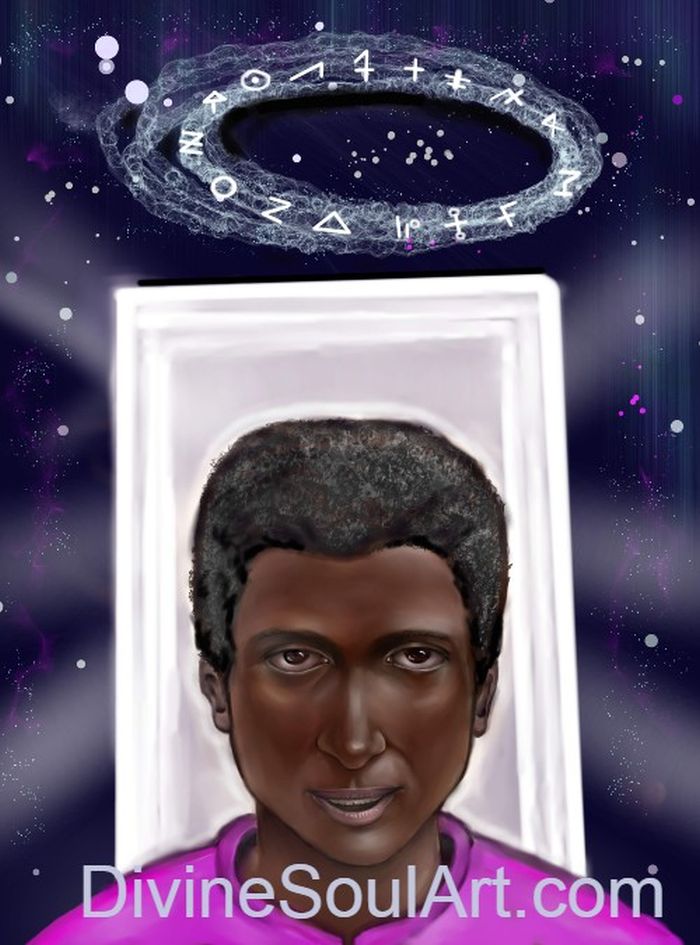
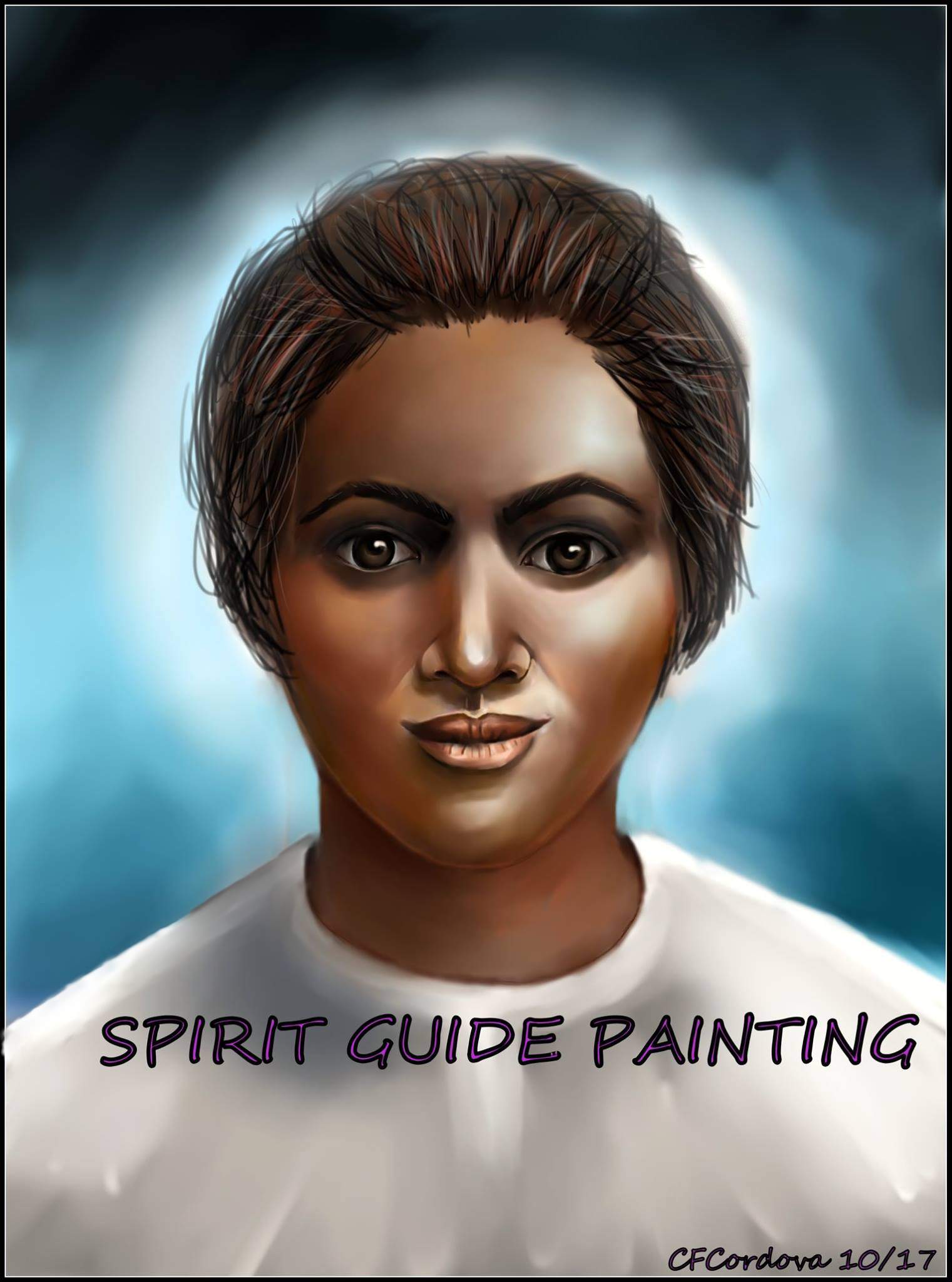
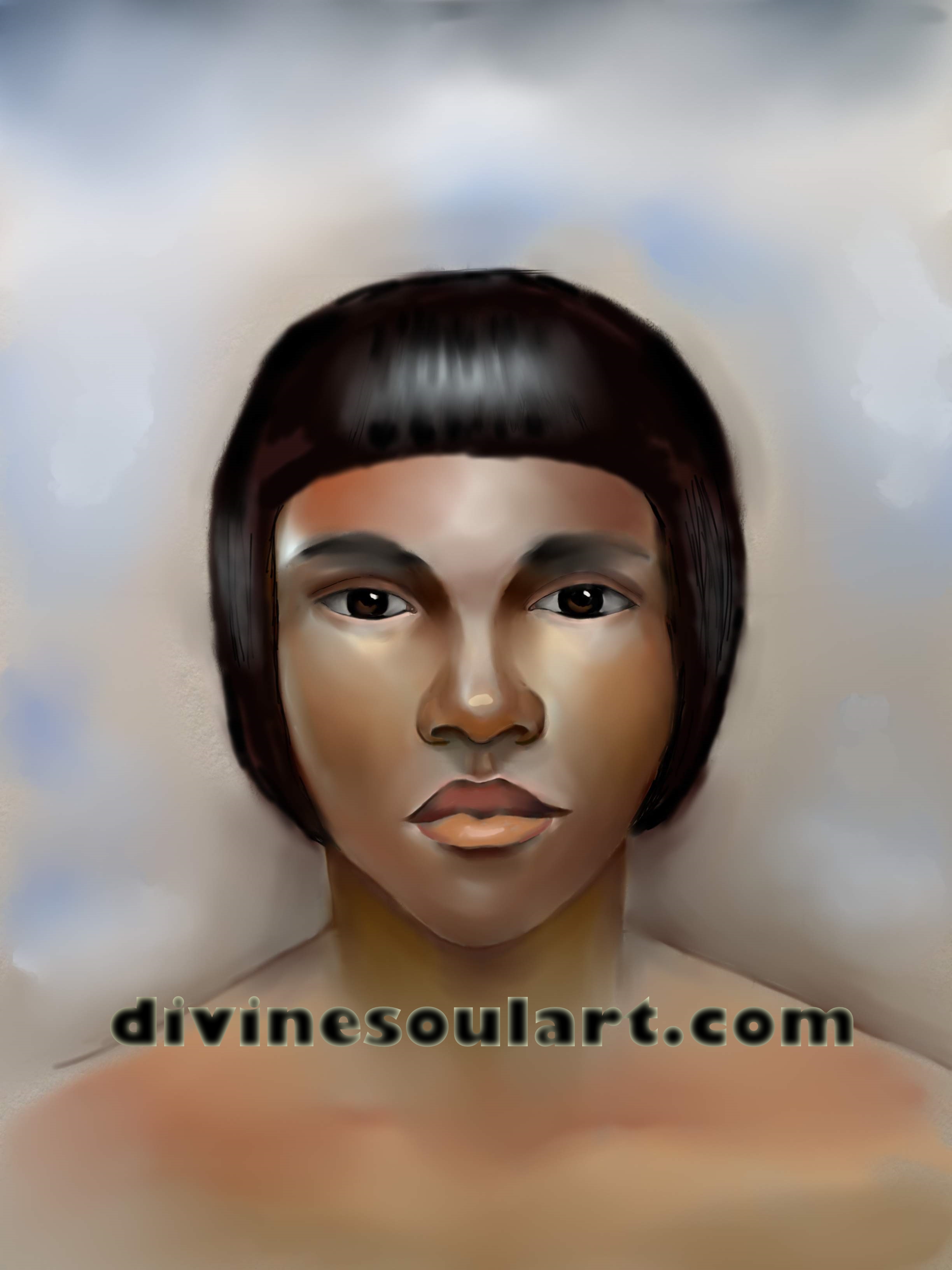
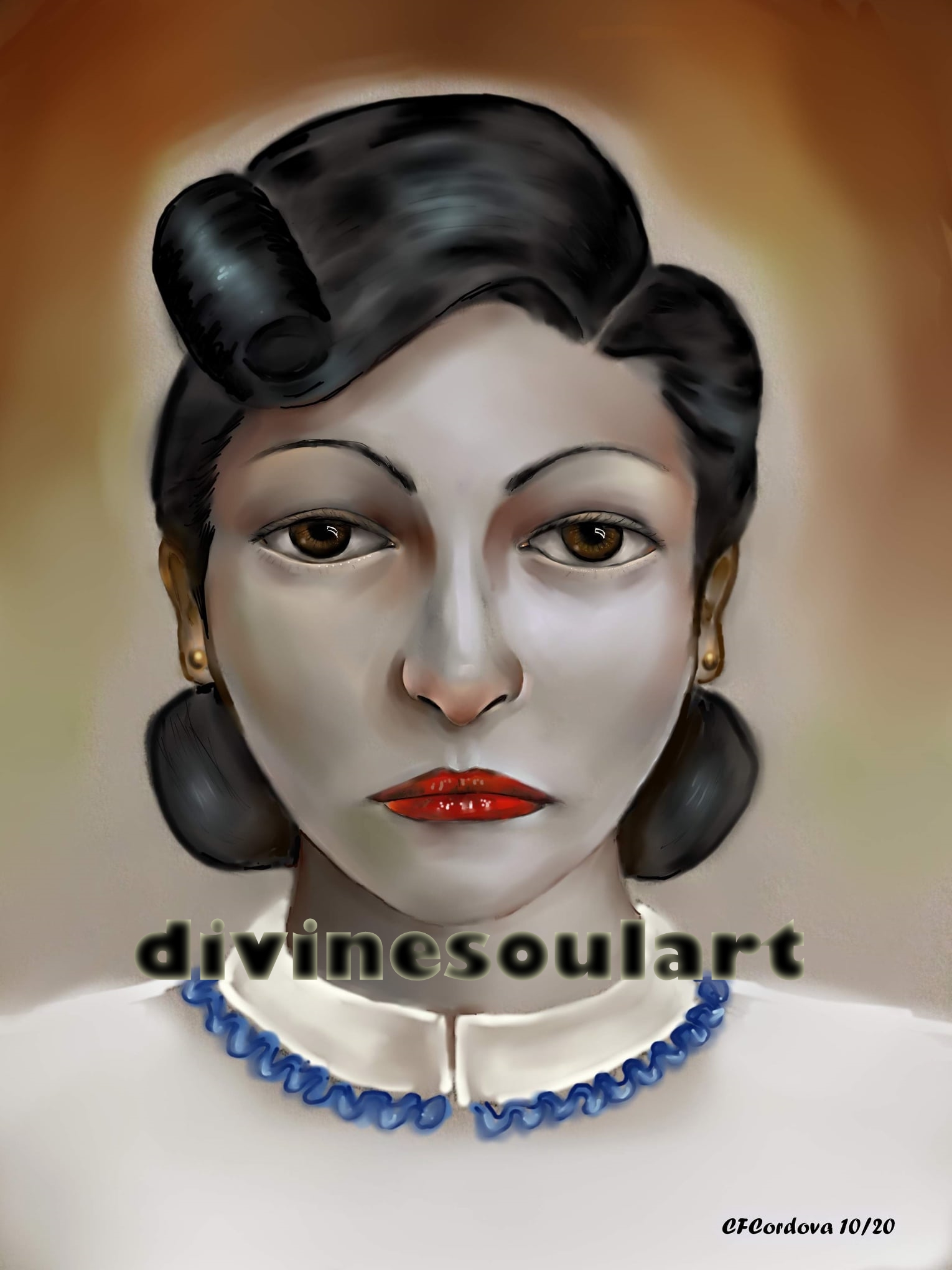
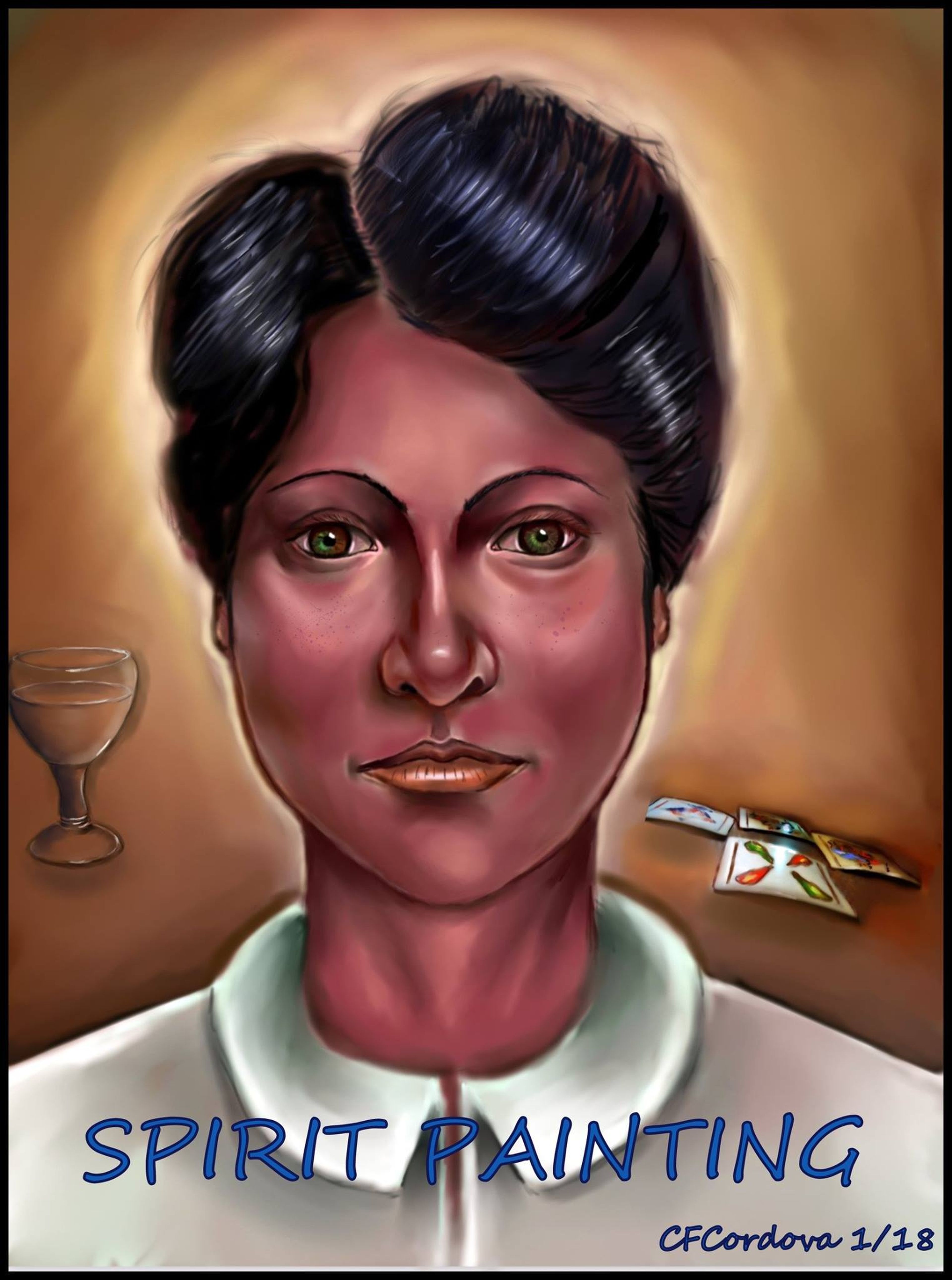
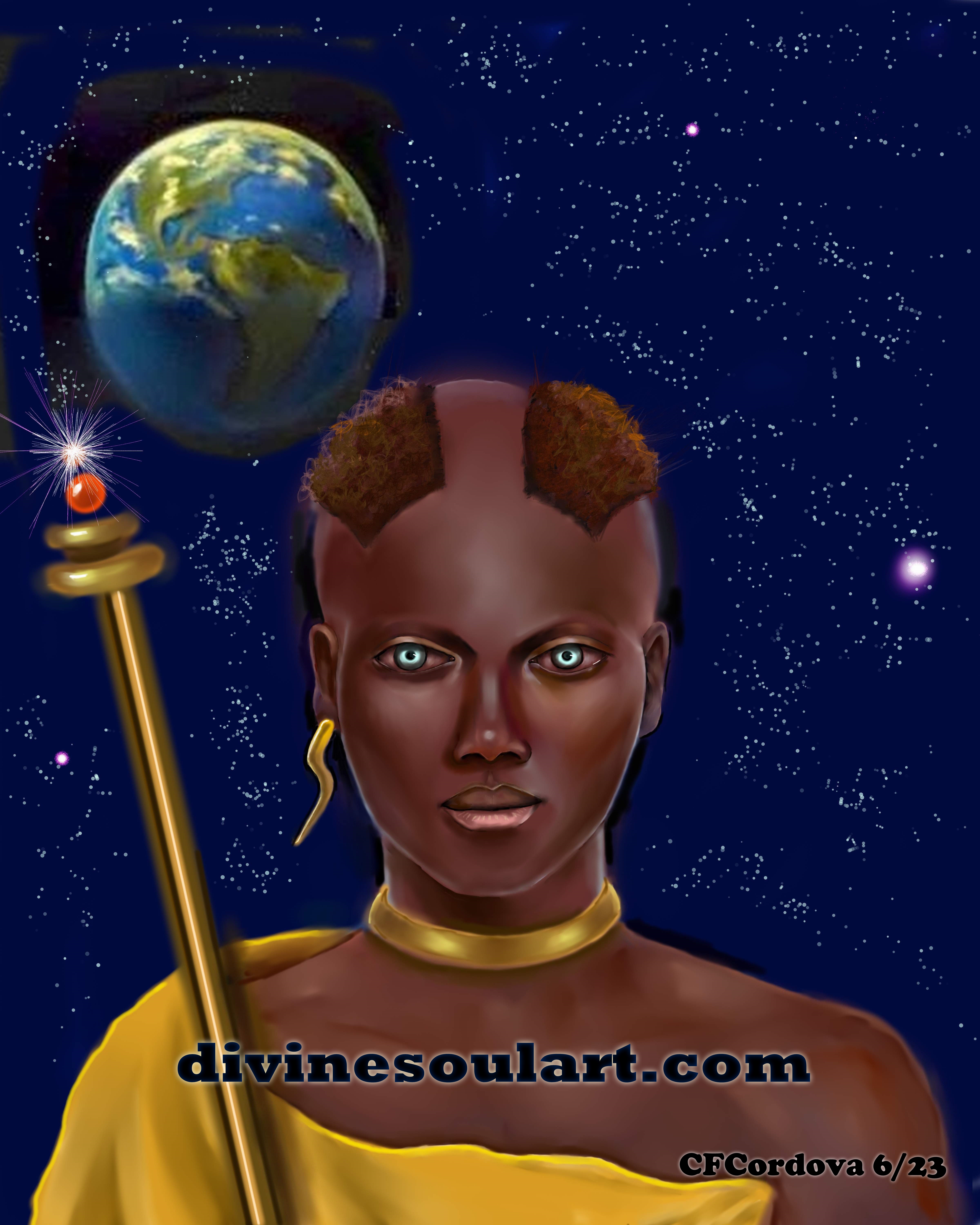
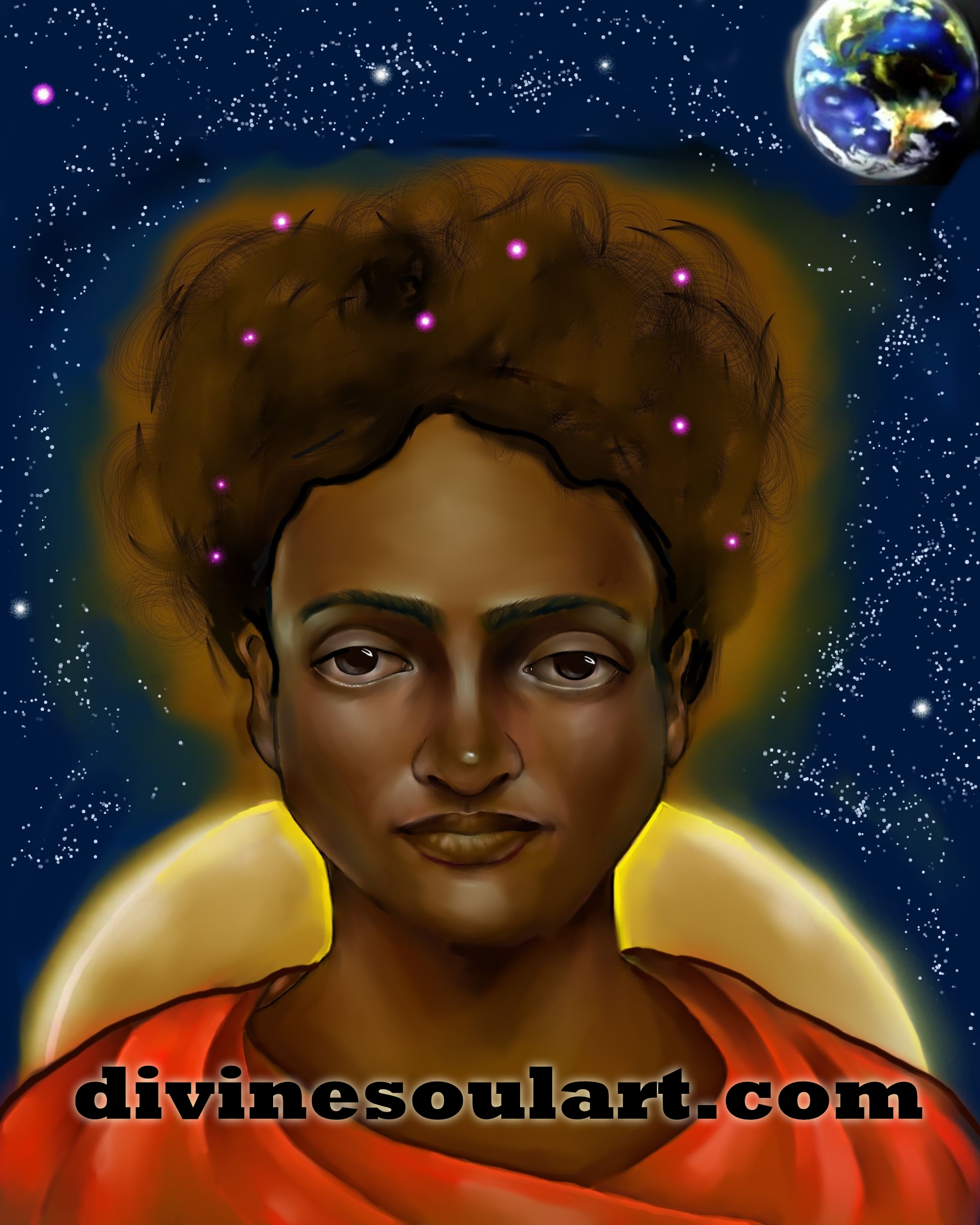
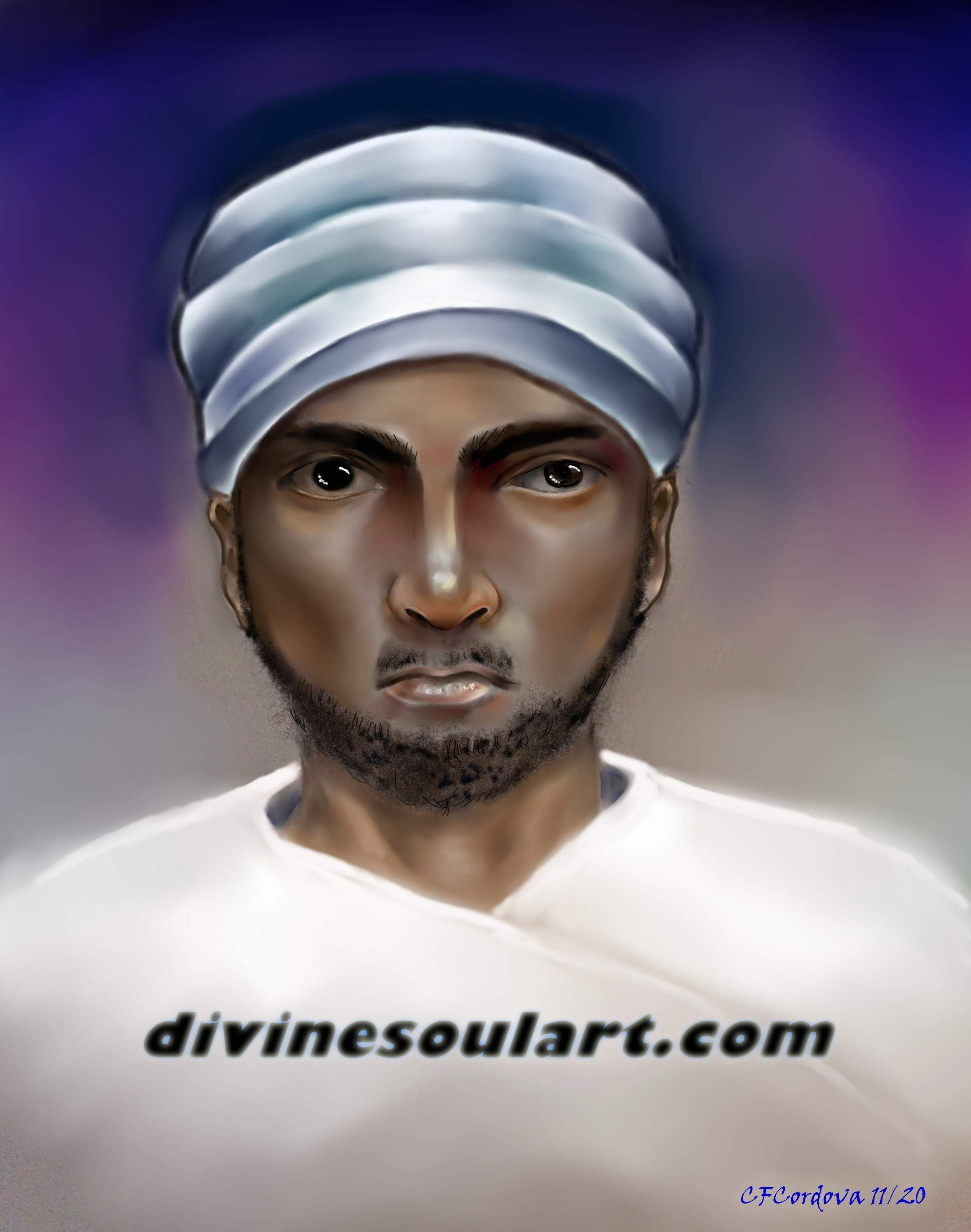
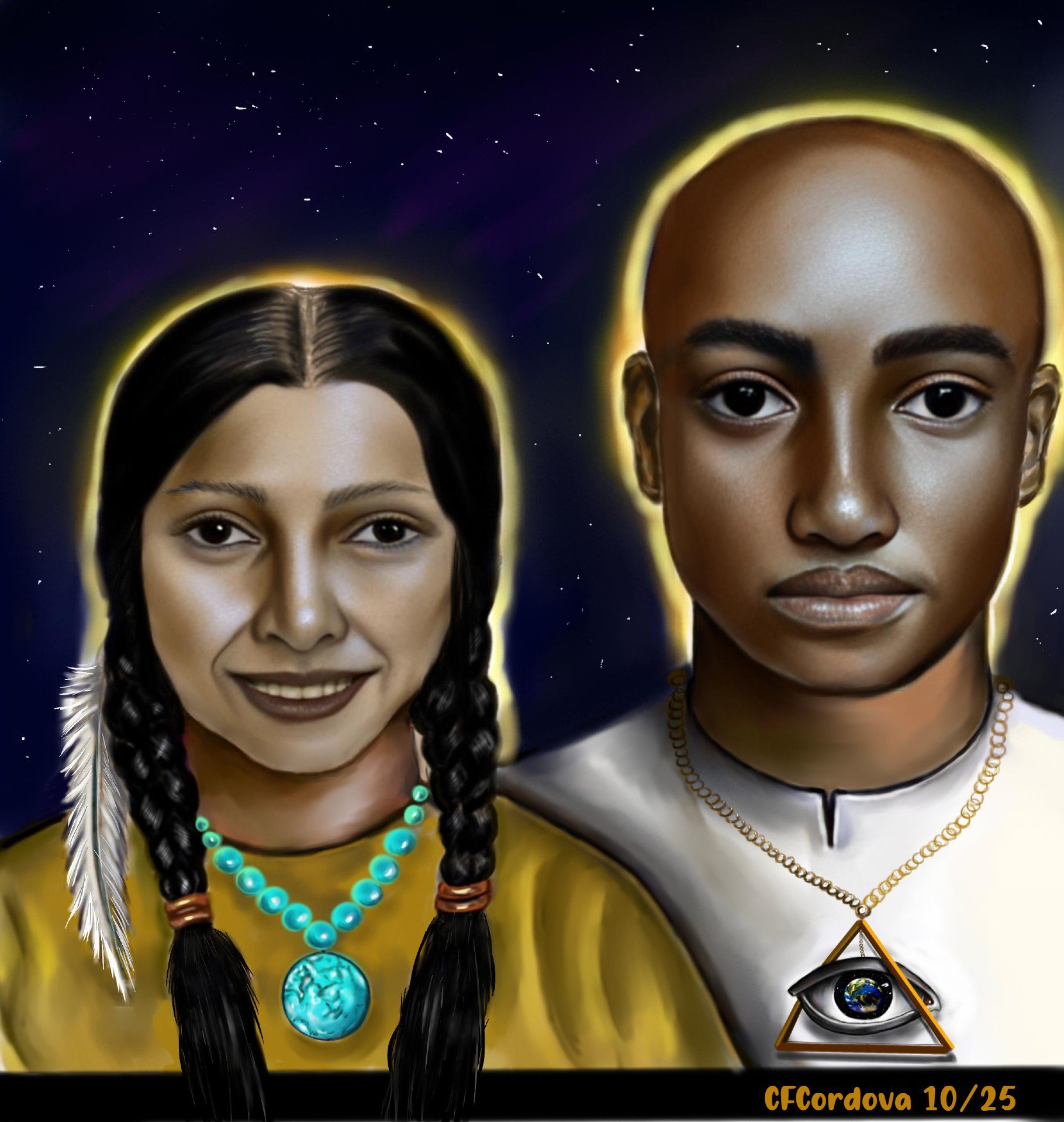
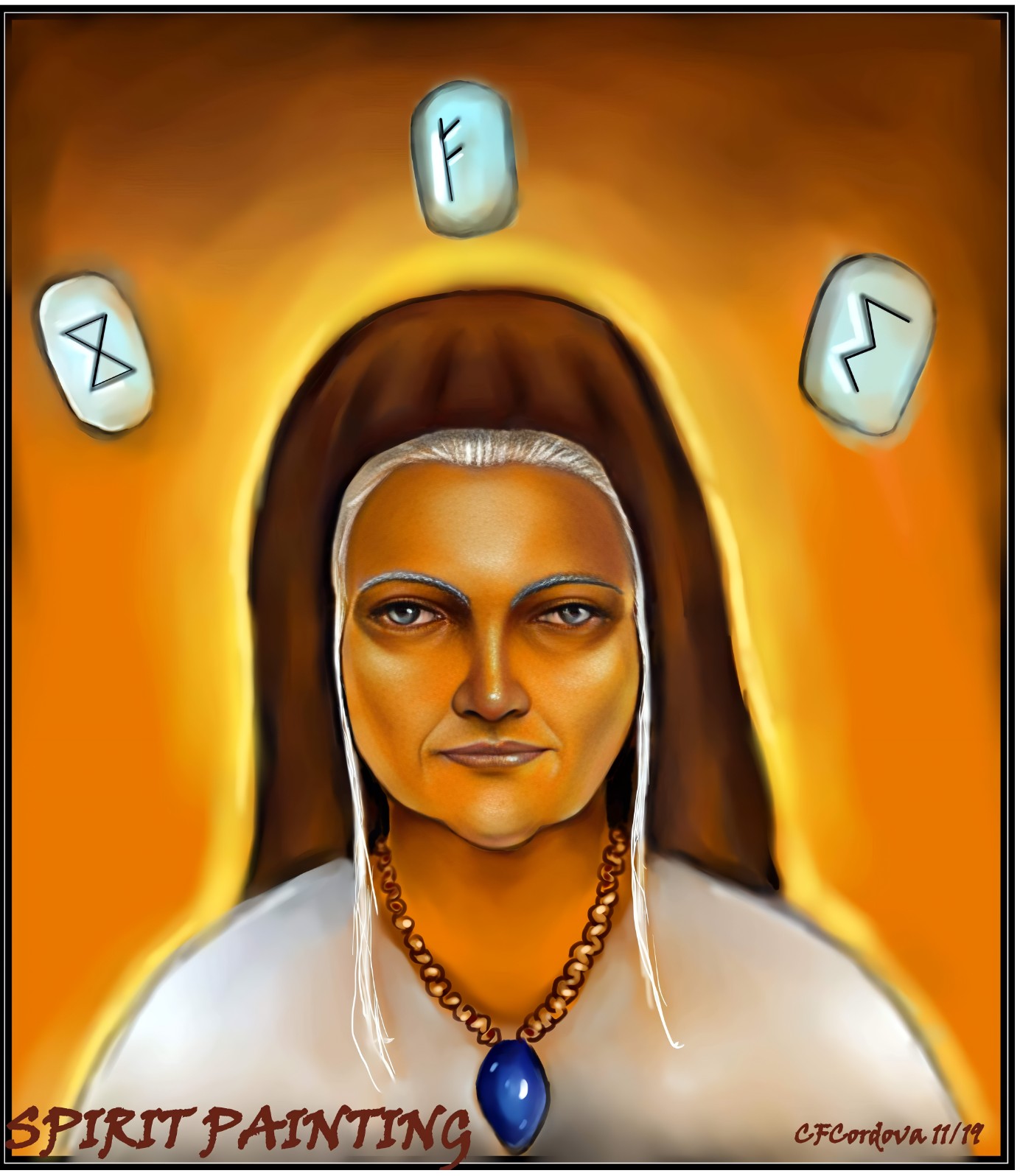
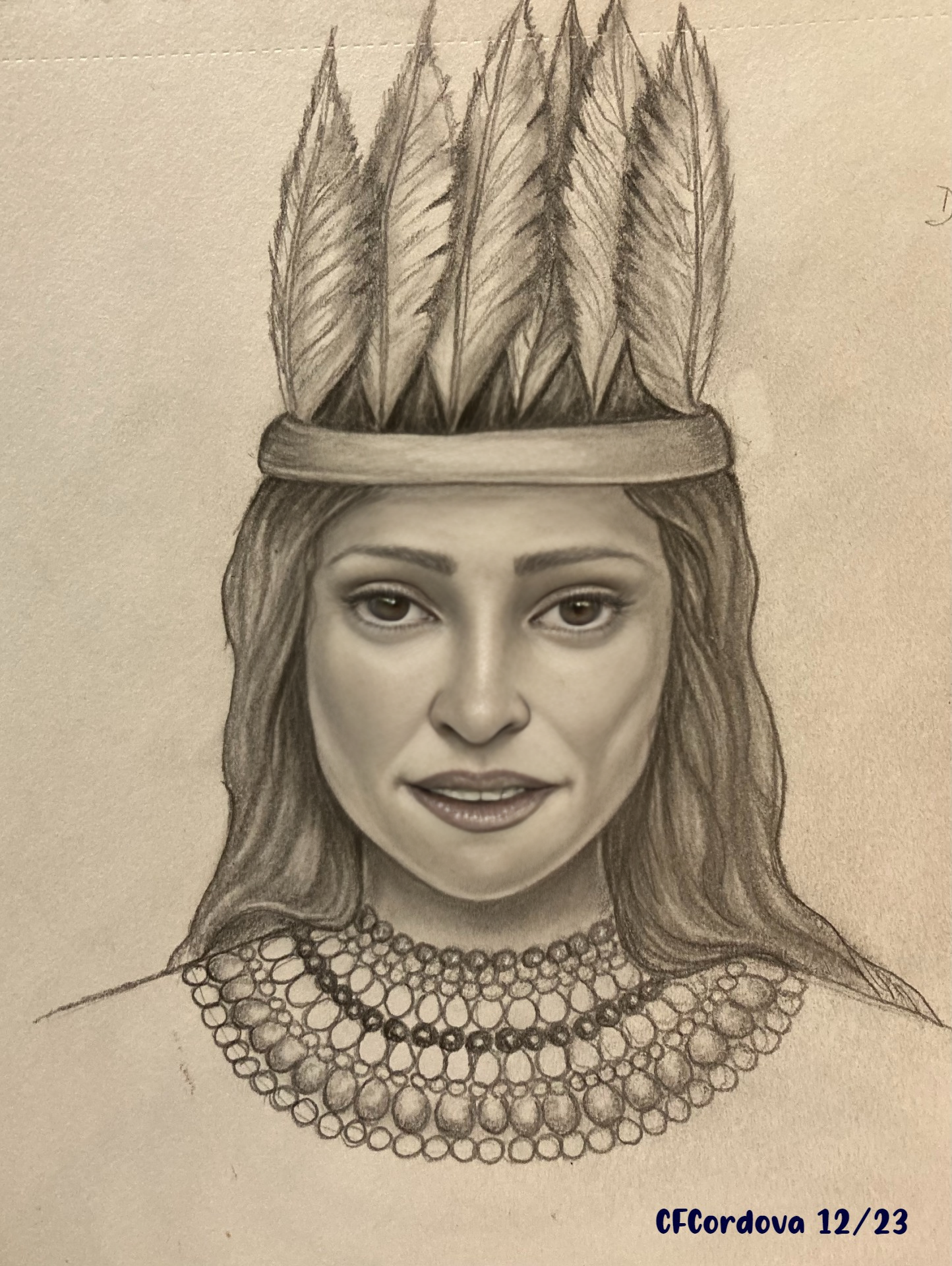
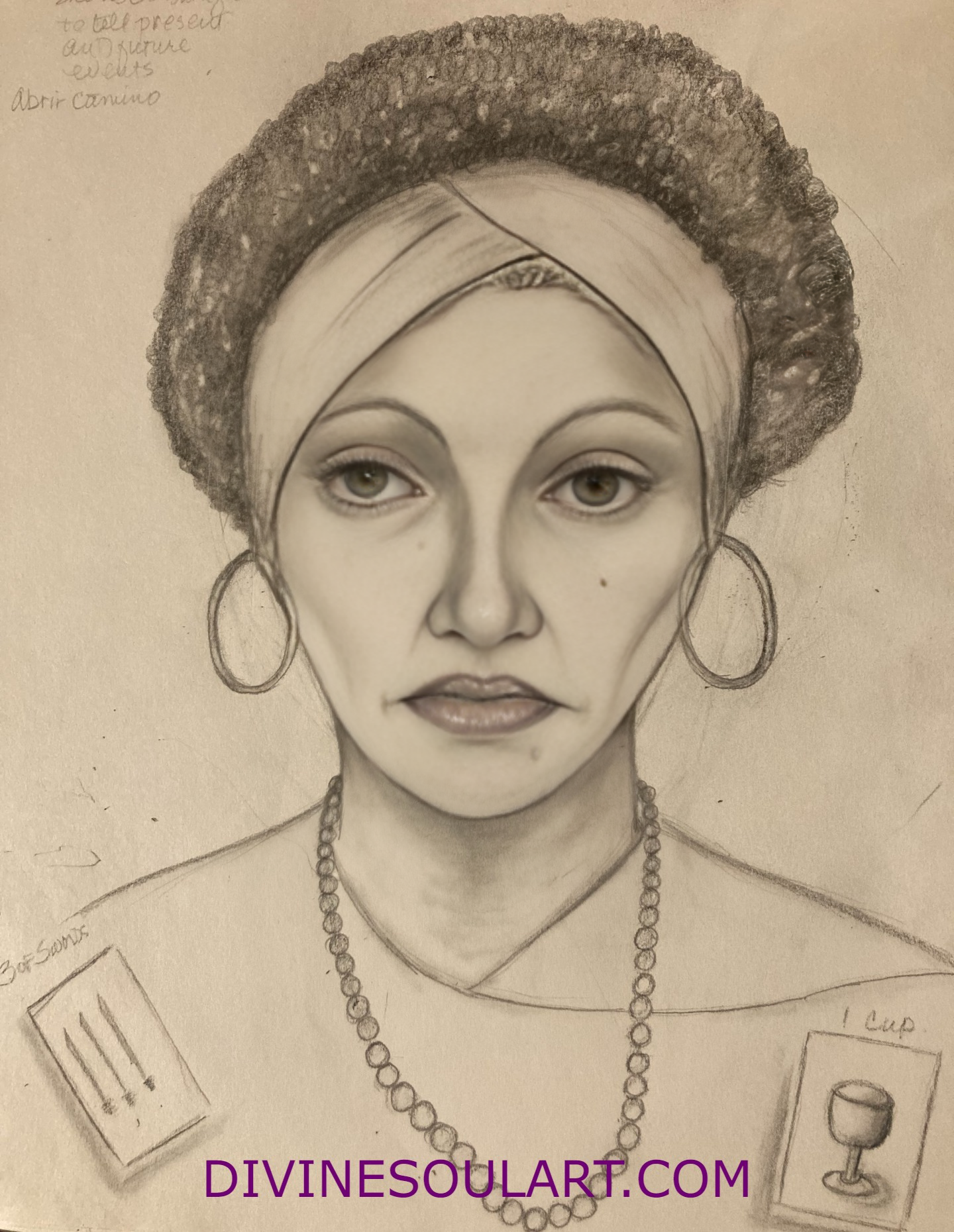
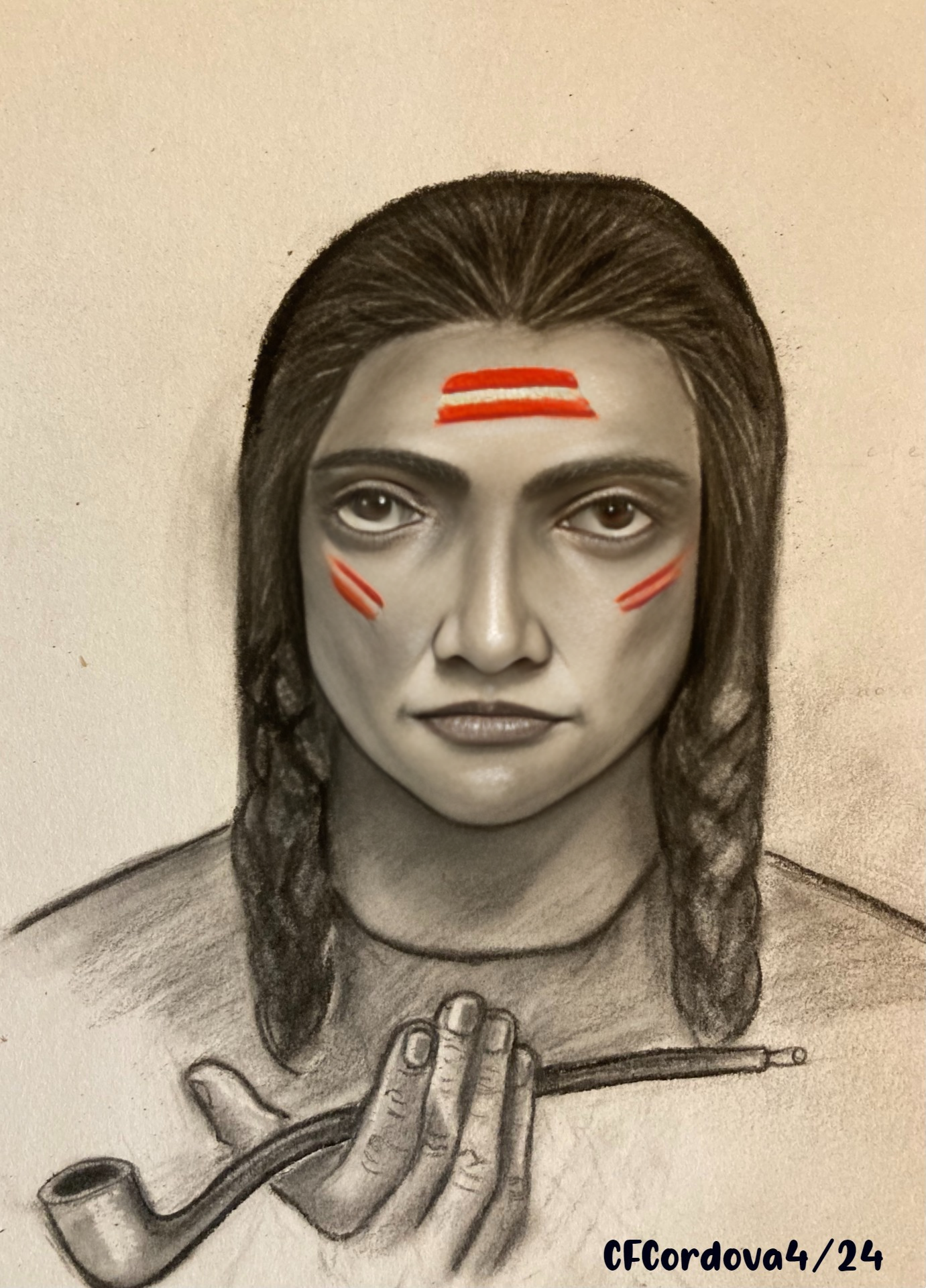
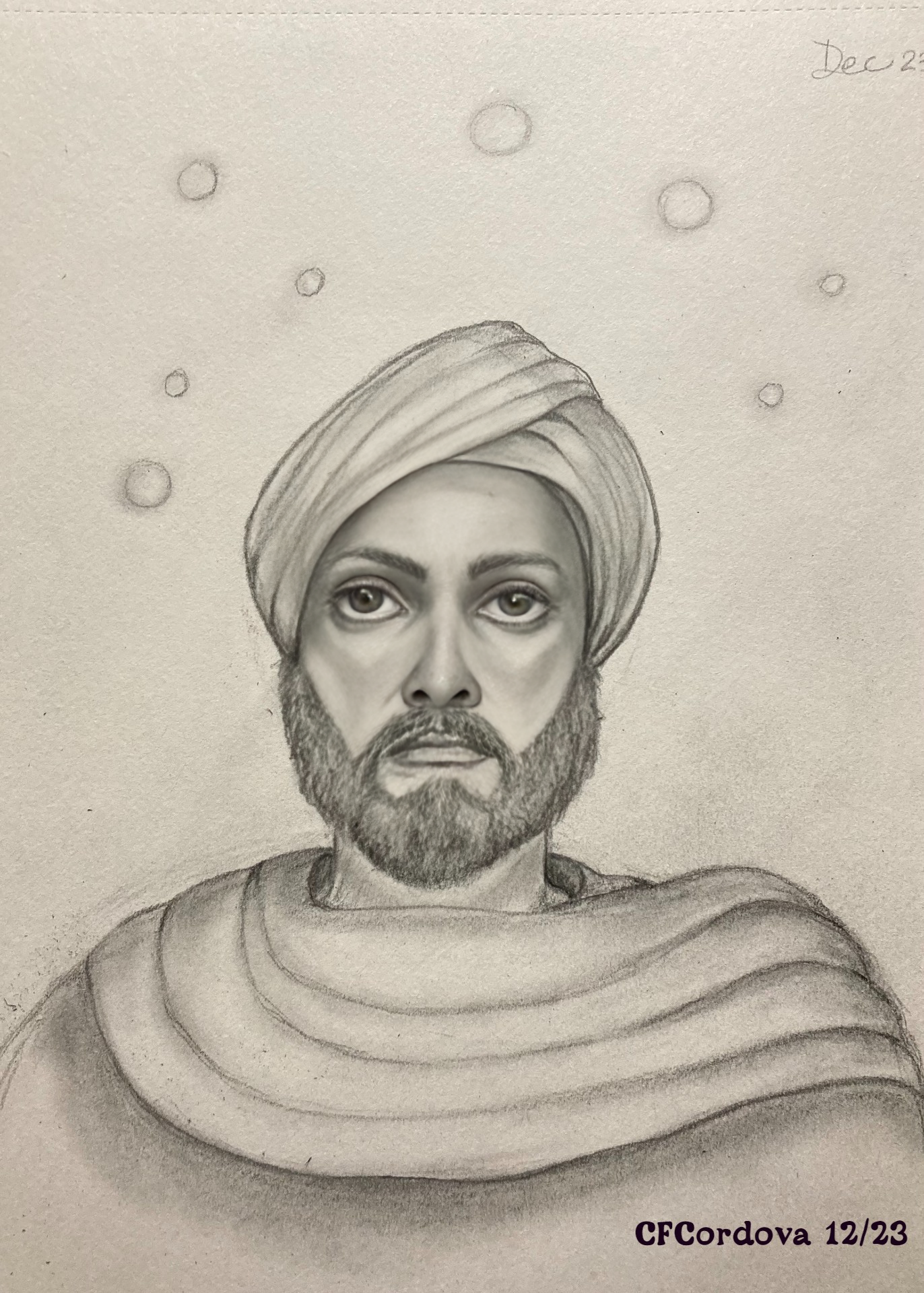
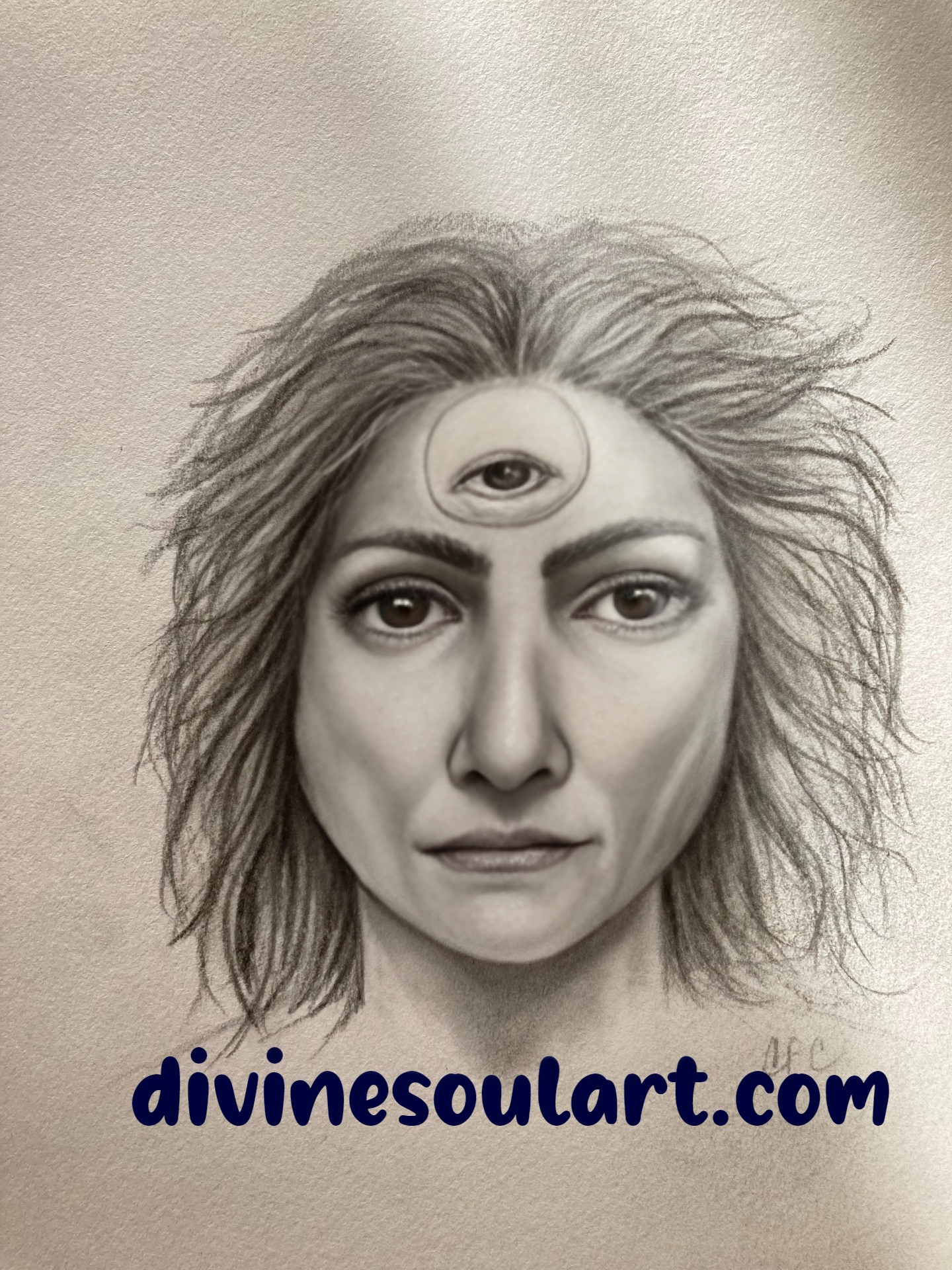
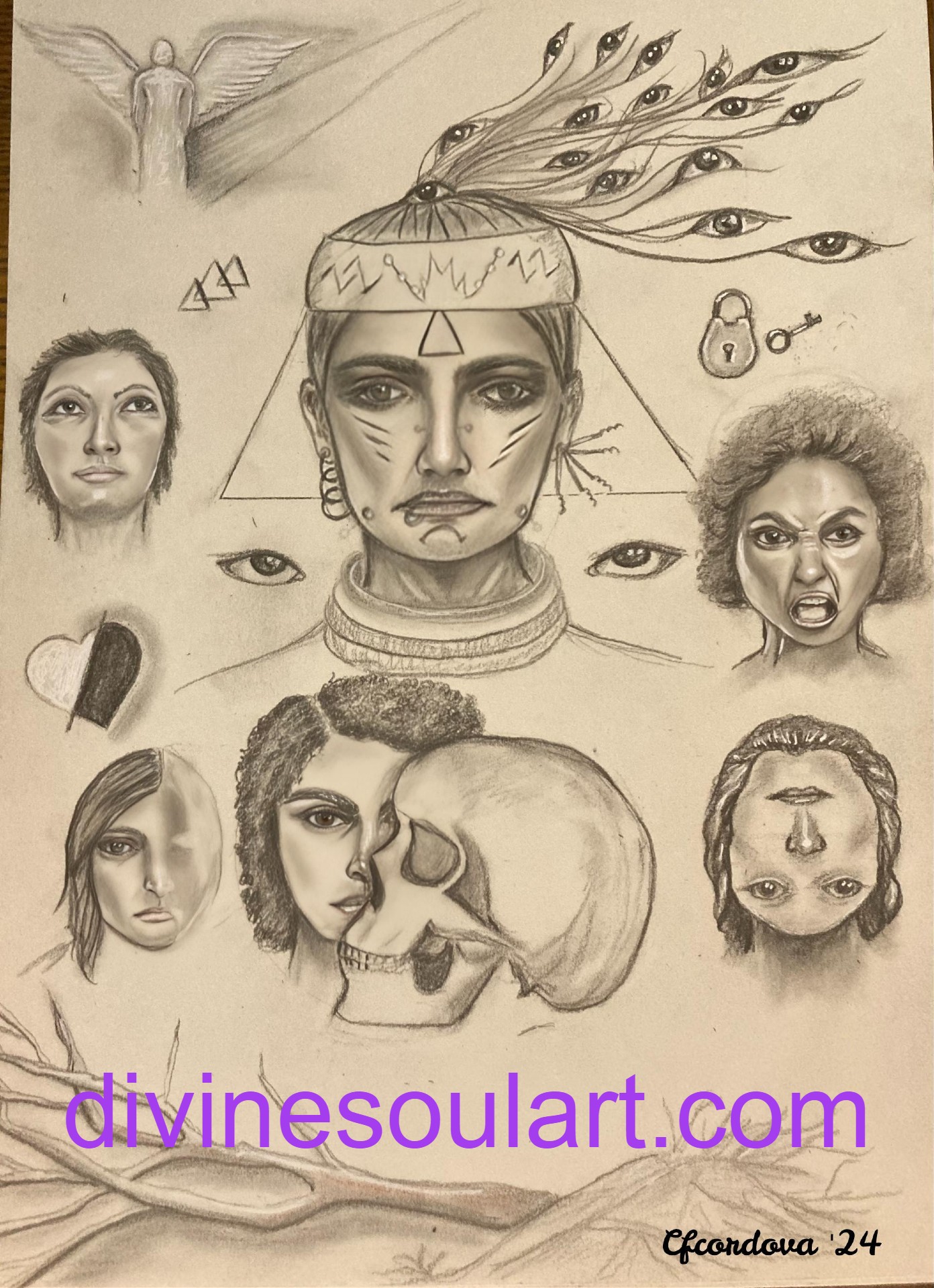
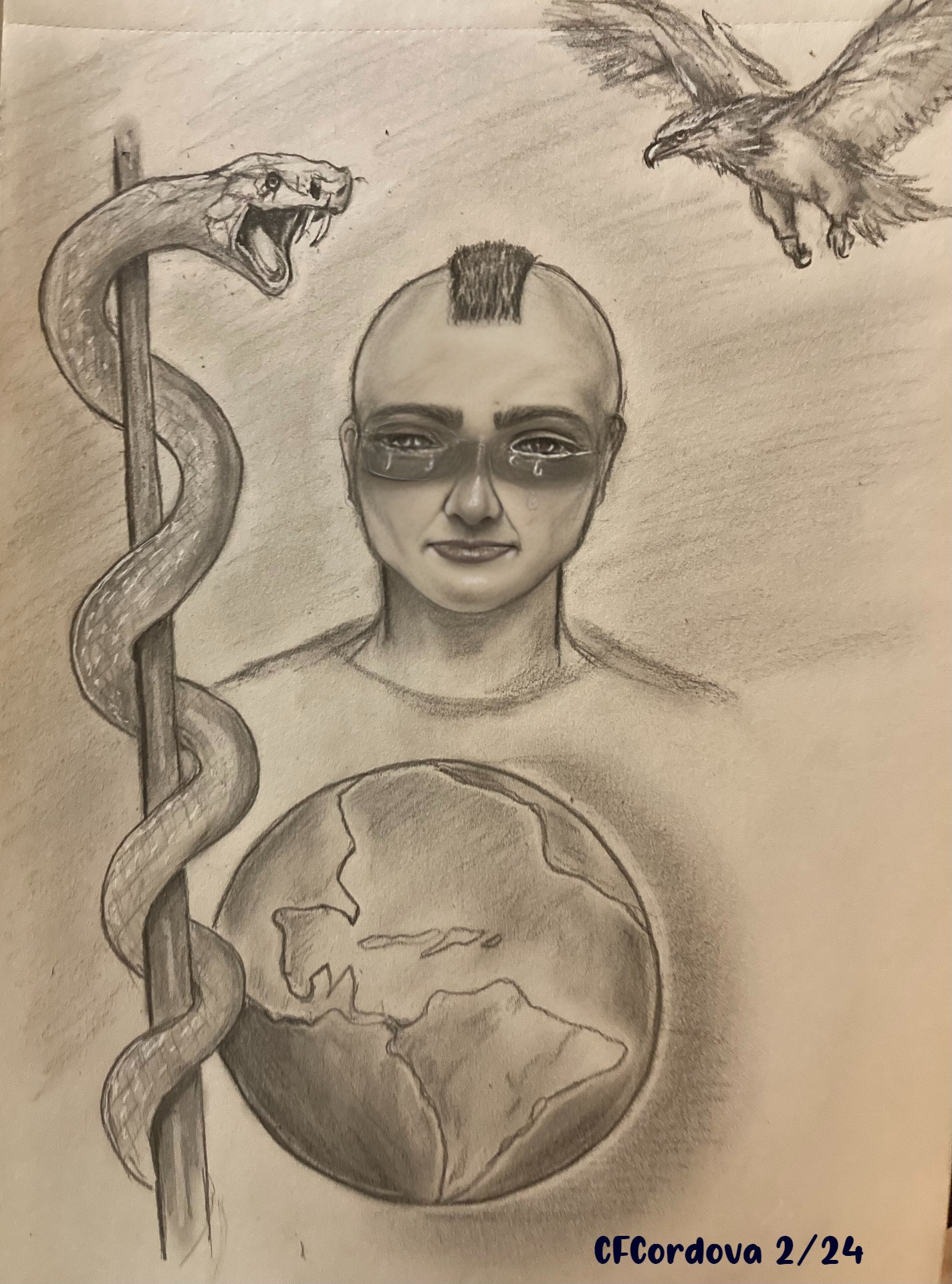
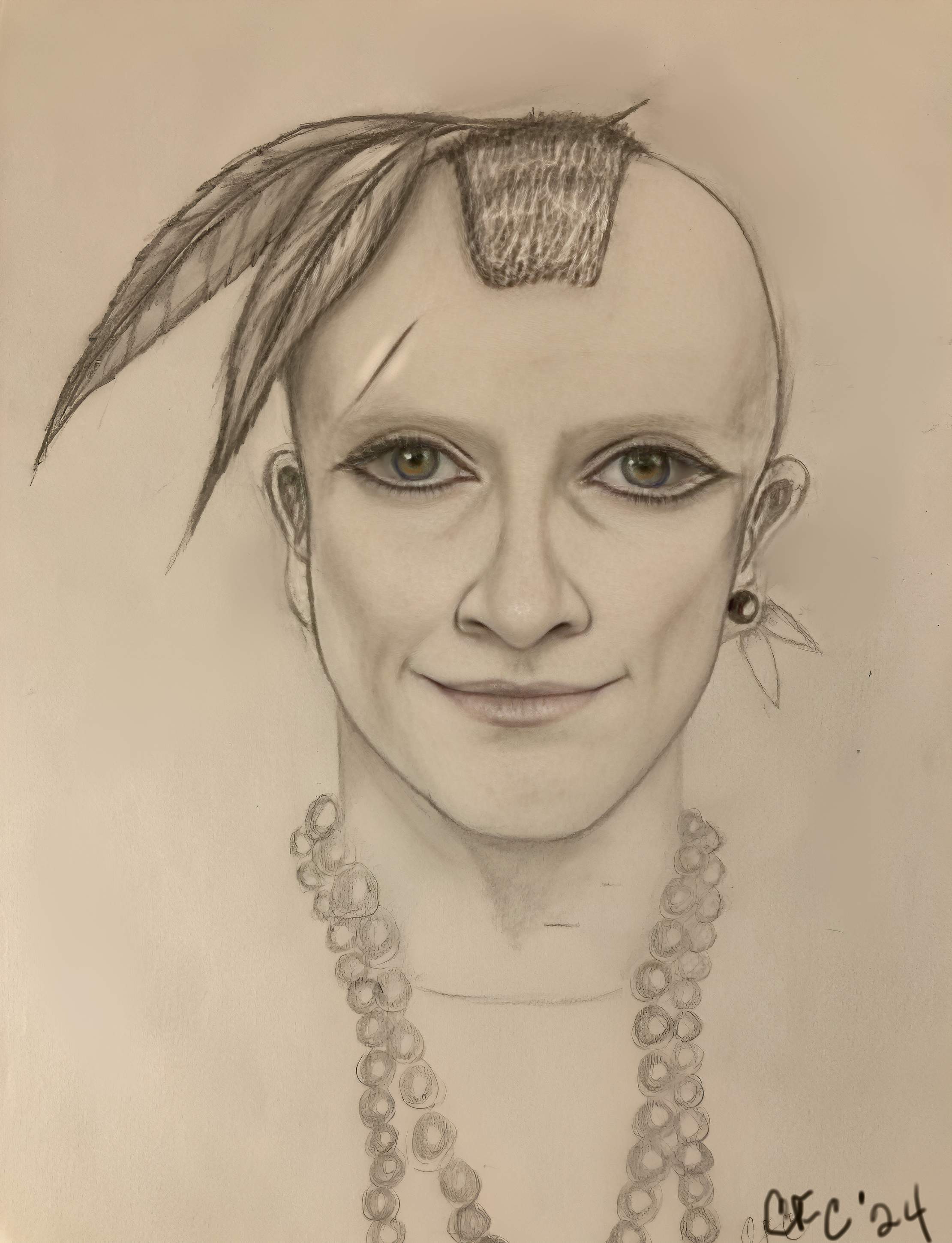
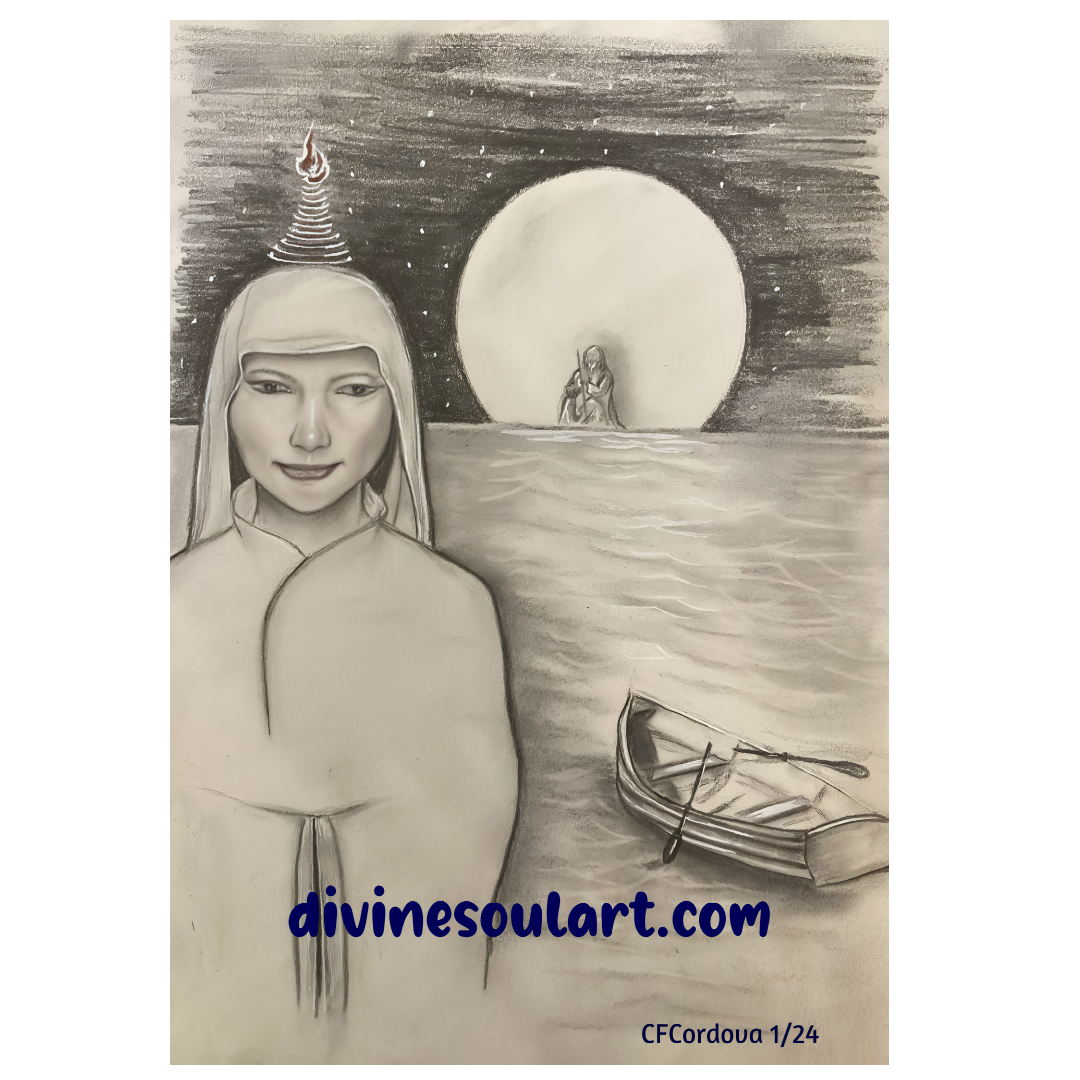
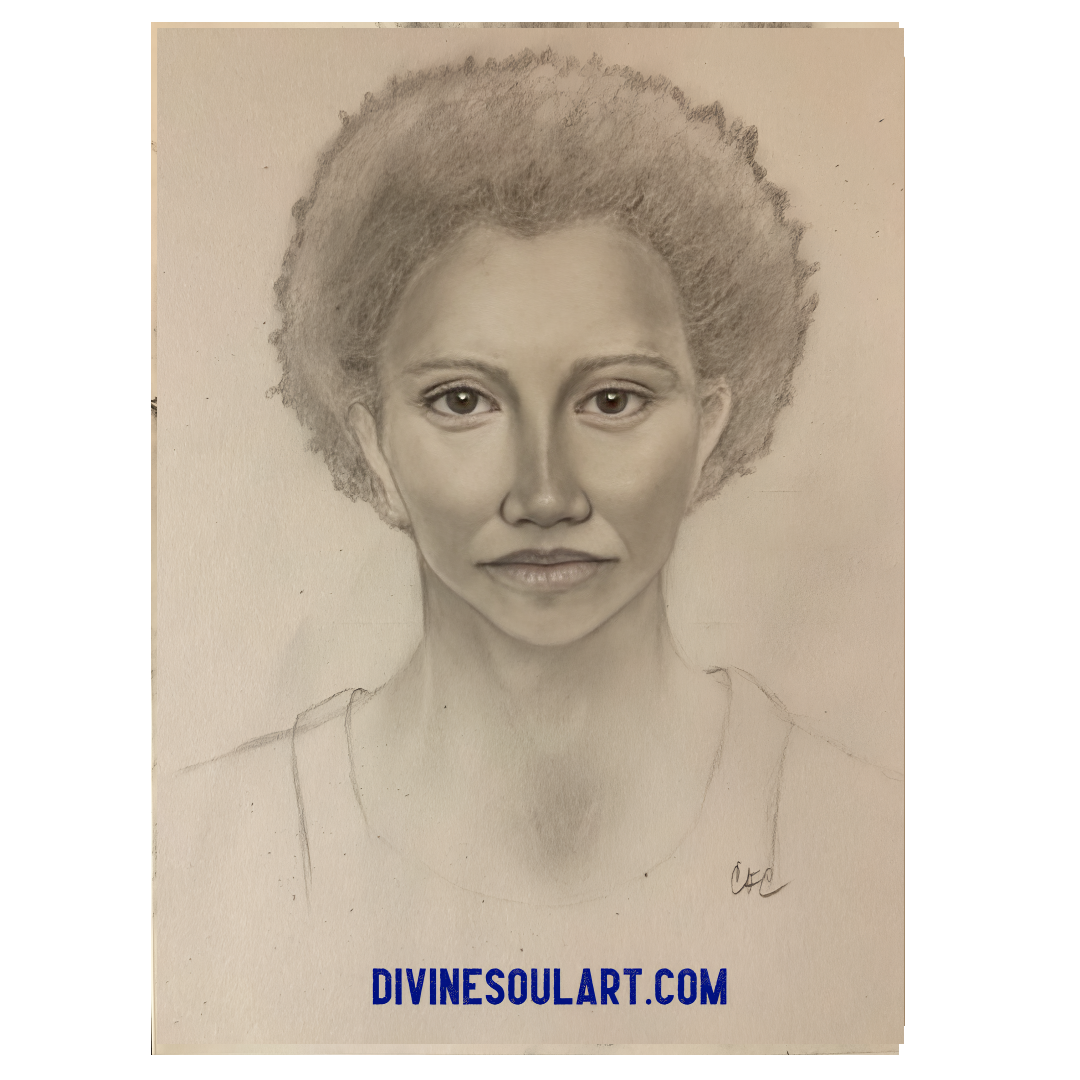
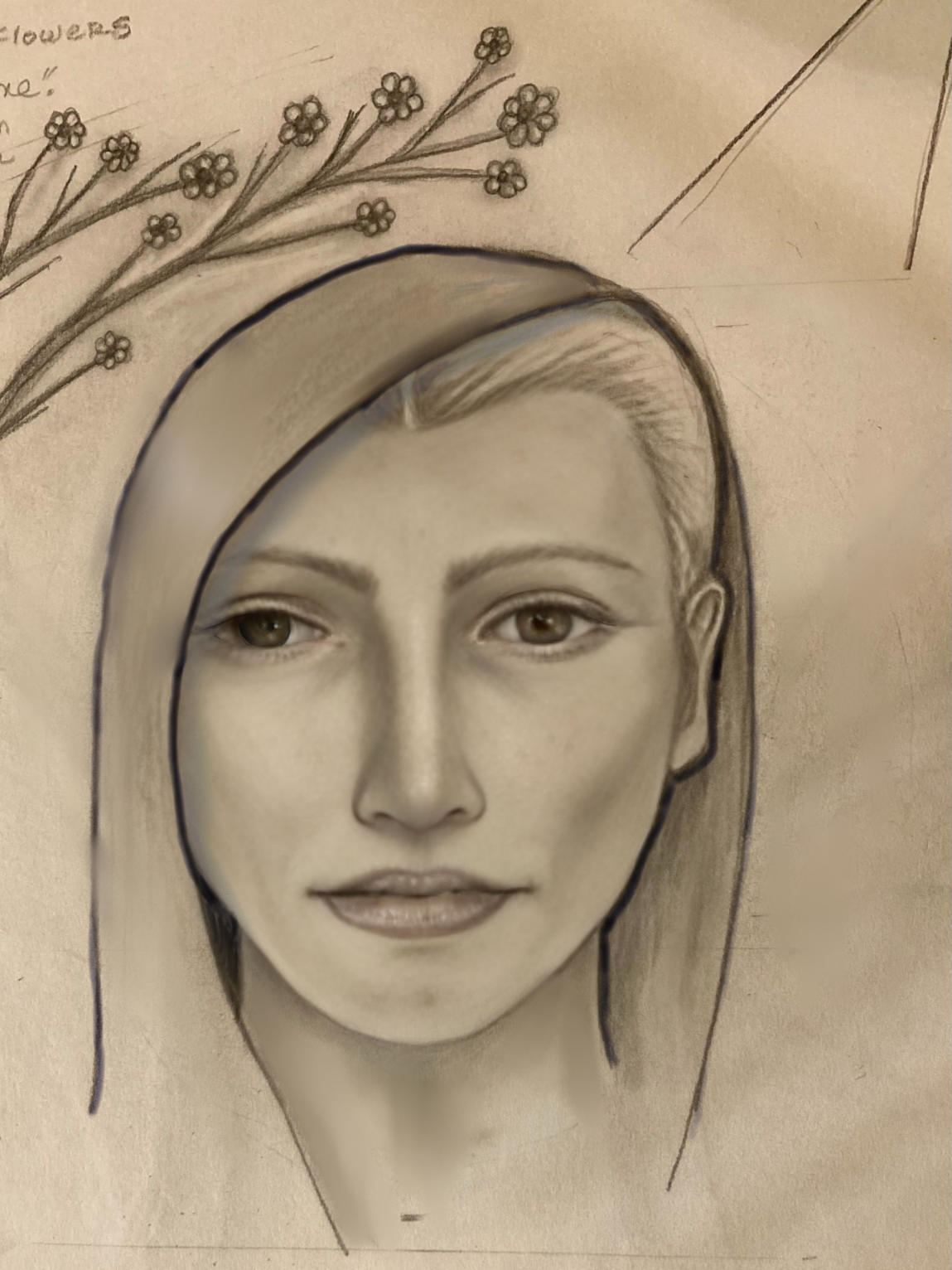
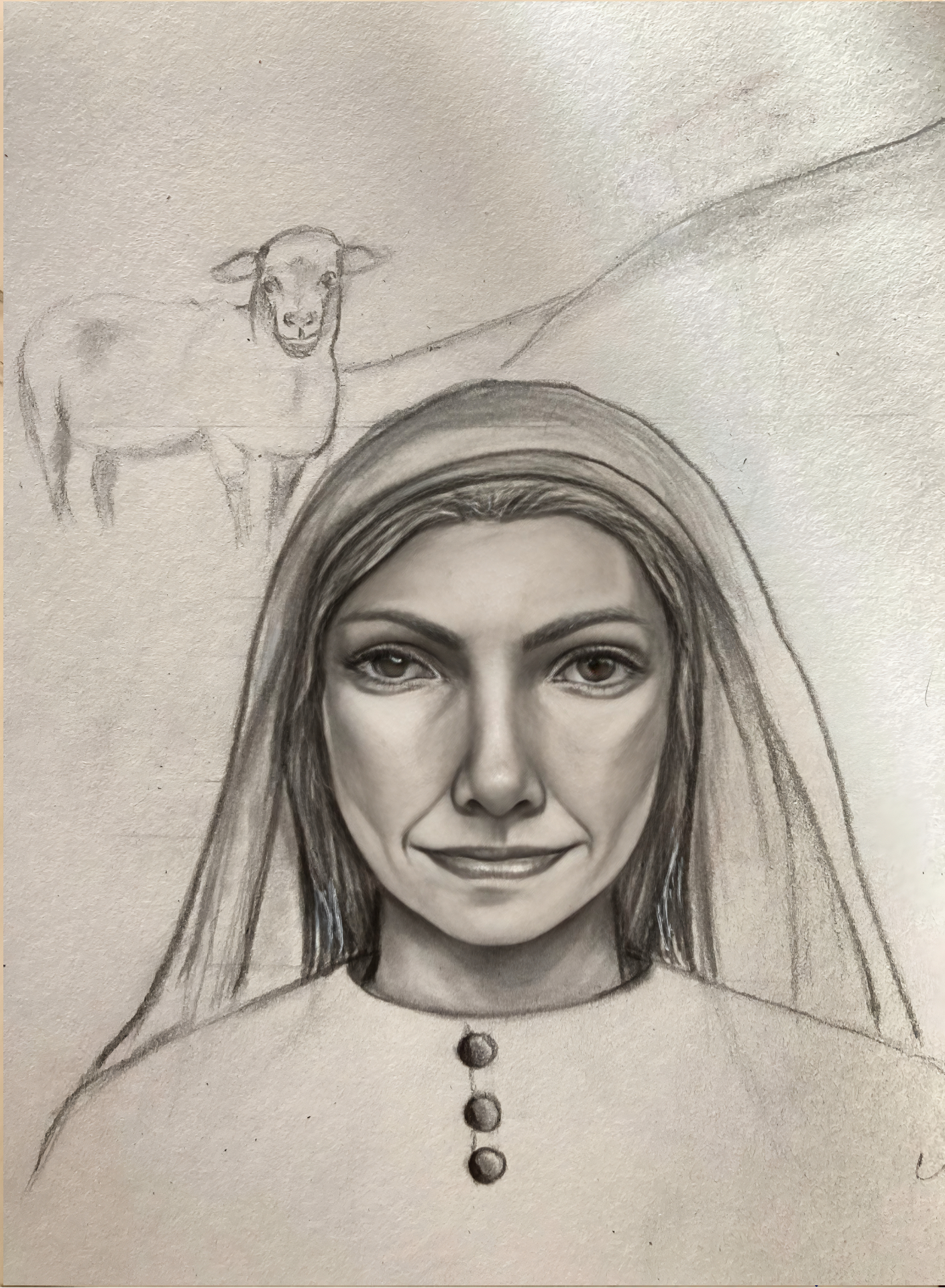
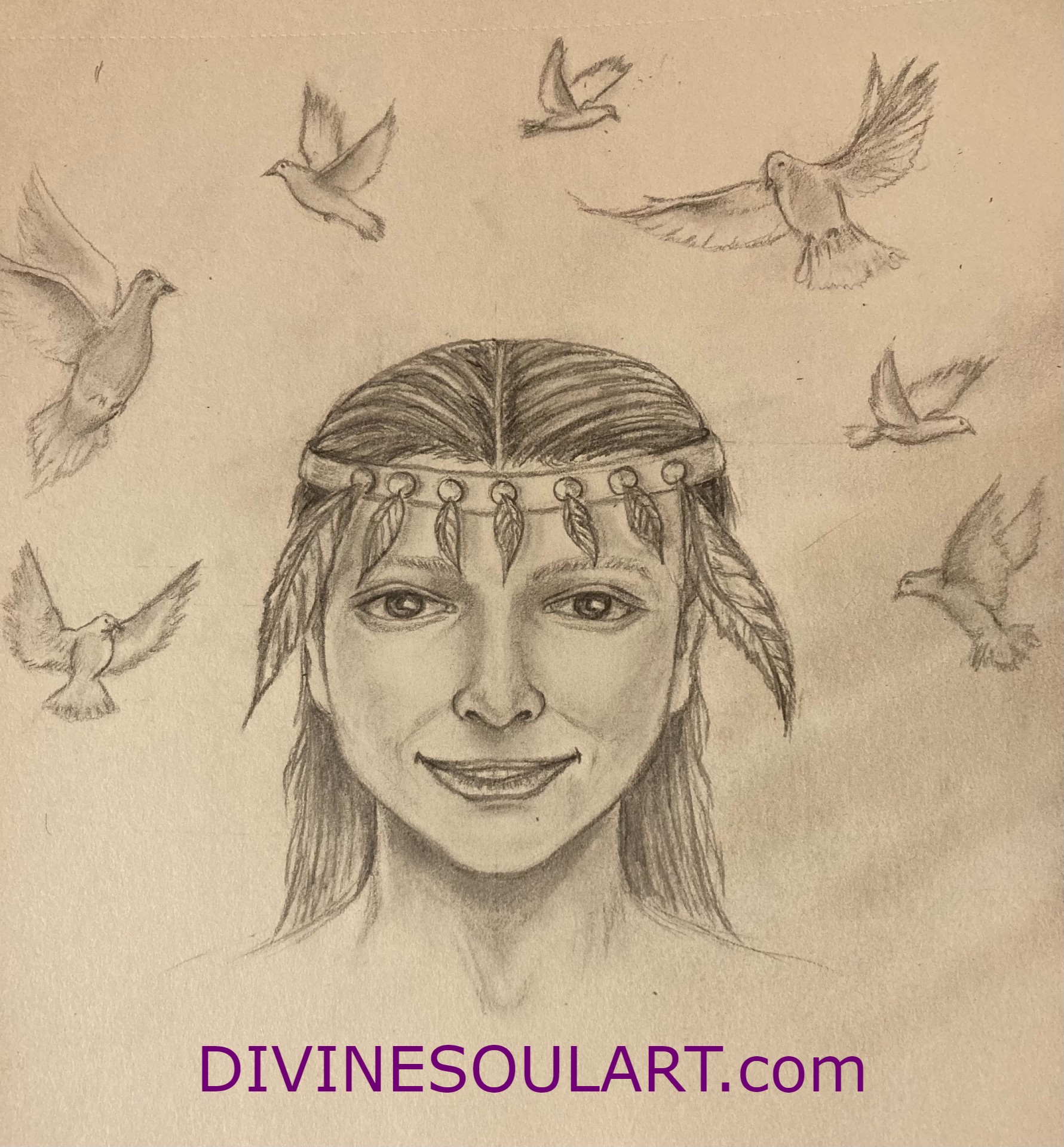
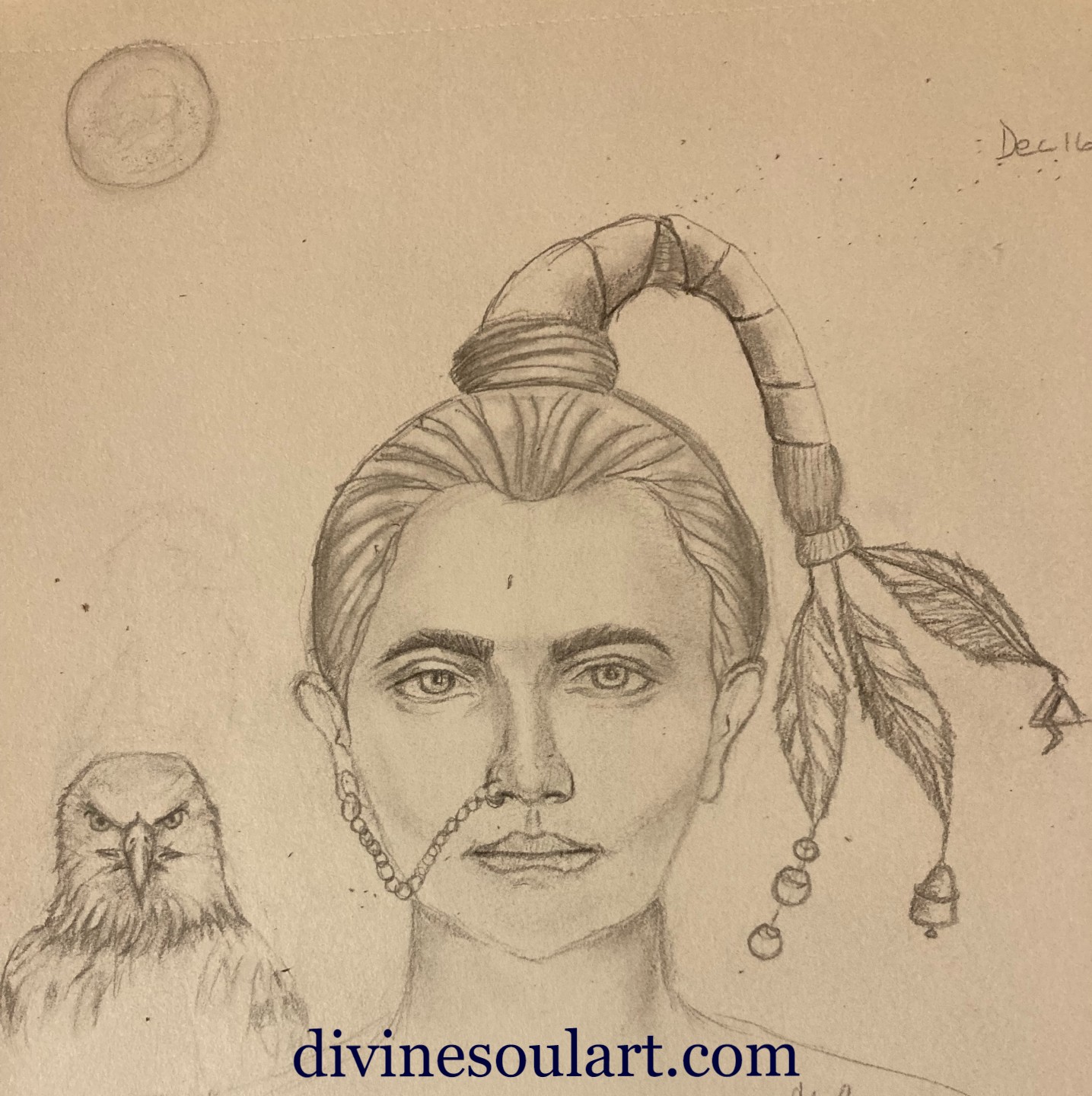
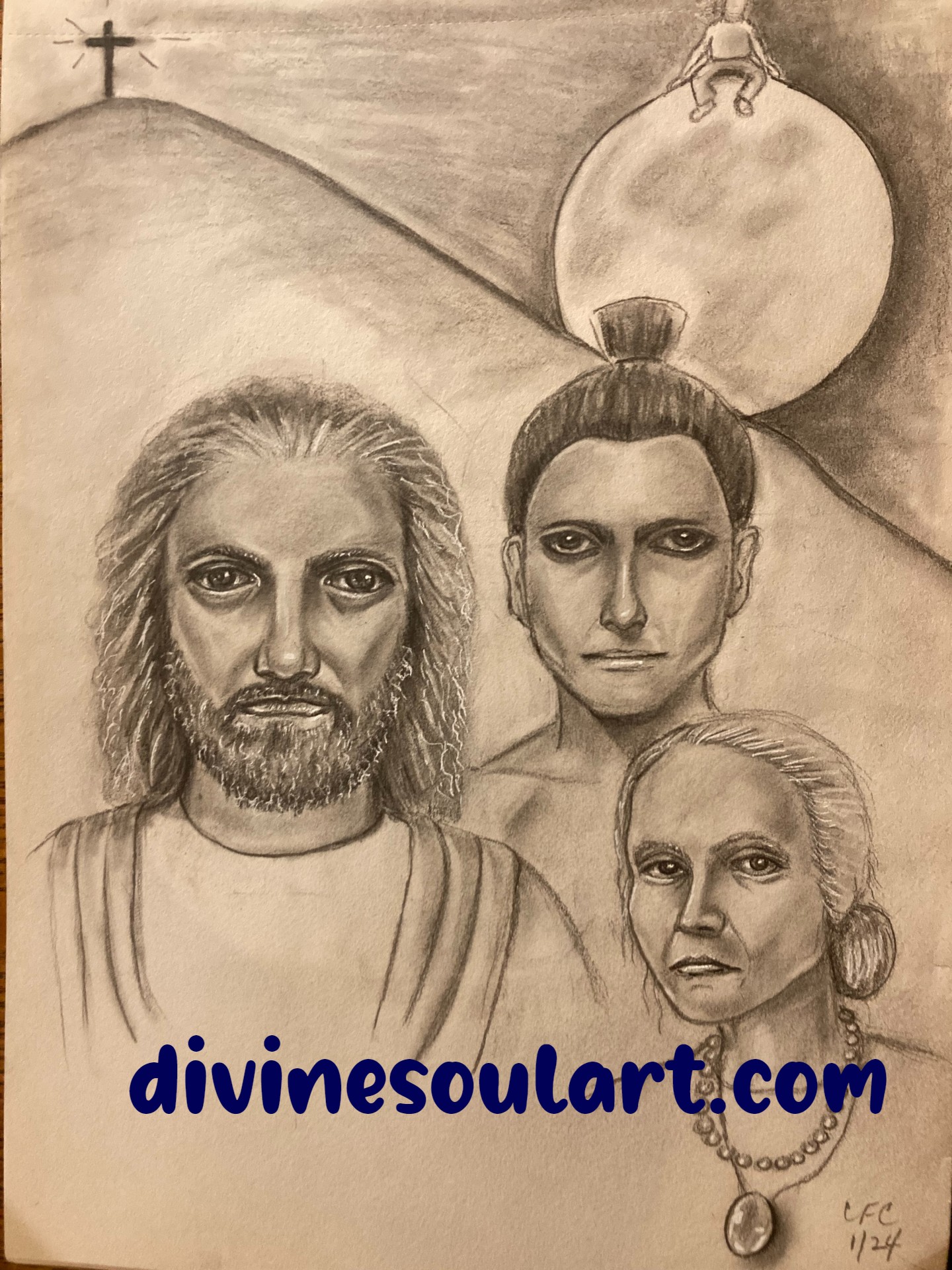
From a very young age, I began seeing and sensing spirits. However, it wasn't until my late forties that I started painting and drawing images of spirit entities, mainly the spirit guides of various individuals. This experience doesn't happen all the time, and I don't control it.
Each piece of art reflects my interpretation and connection to the energies I have felt or seen. Below is a selection of my paintings depicting spirit guides. I hope you enjoy viewing them as much as I enjoyed creating them!
Hope you get a better understanding of what spirits look like.
NOTE: Spirits are known to commonly present themselves in the form of their most recent human embodiment. This choice of appearance is deliberate, as it facilitates recognition by those who might encounter them. By taking on the likeness of their former selves, spirits can create a familiar connection, allowing individuals to interact with or acknowledge their presence more easily.
The Spirit World
Images of Spirit Guides
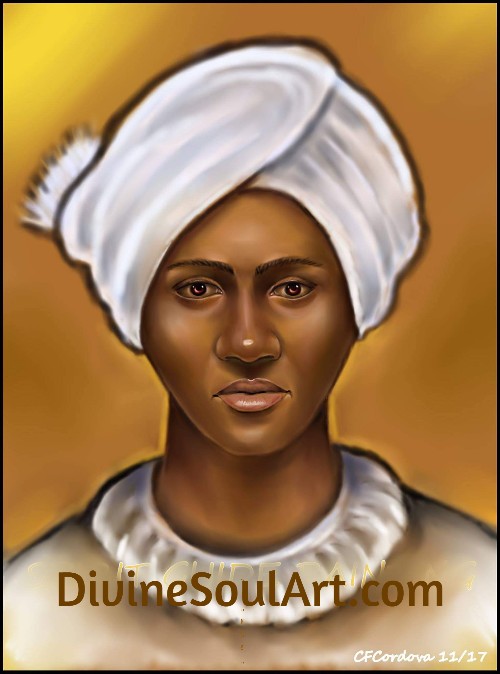 Spiritual guides collection
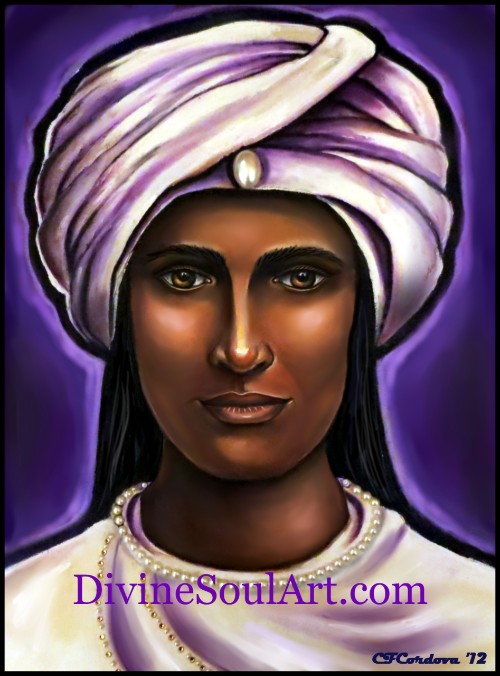 Spiritual guides collection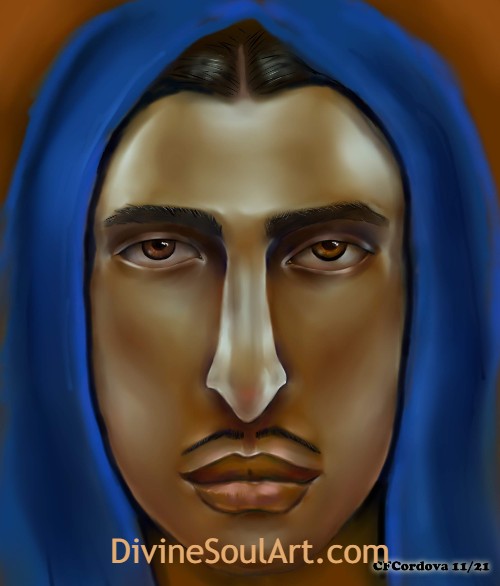
 |
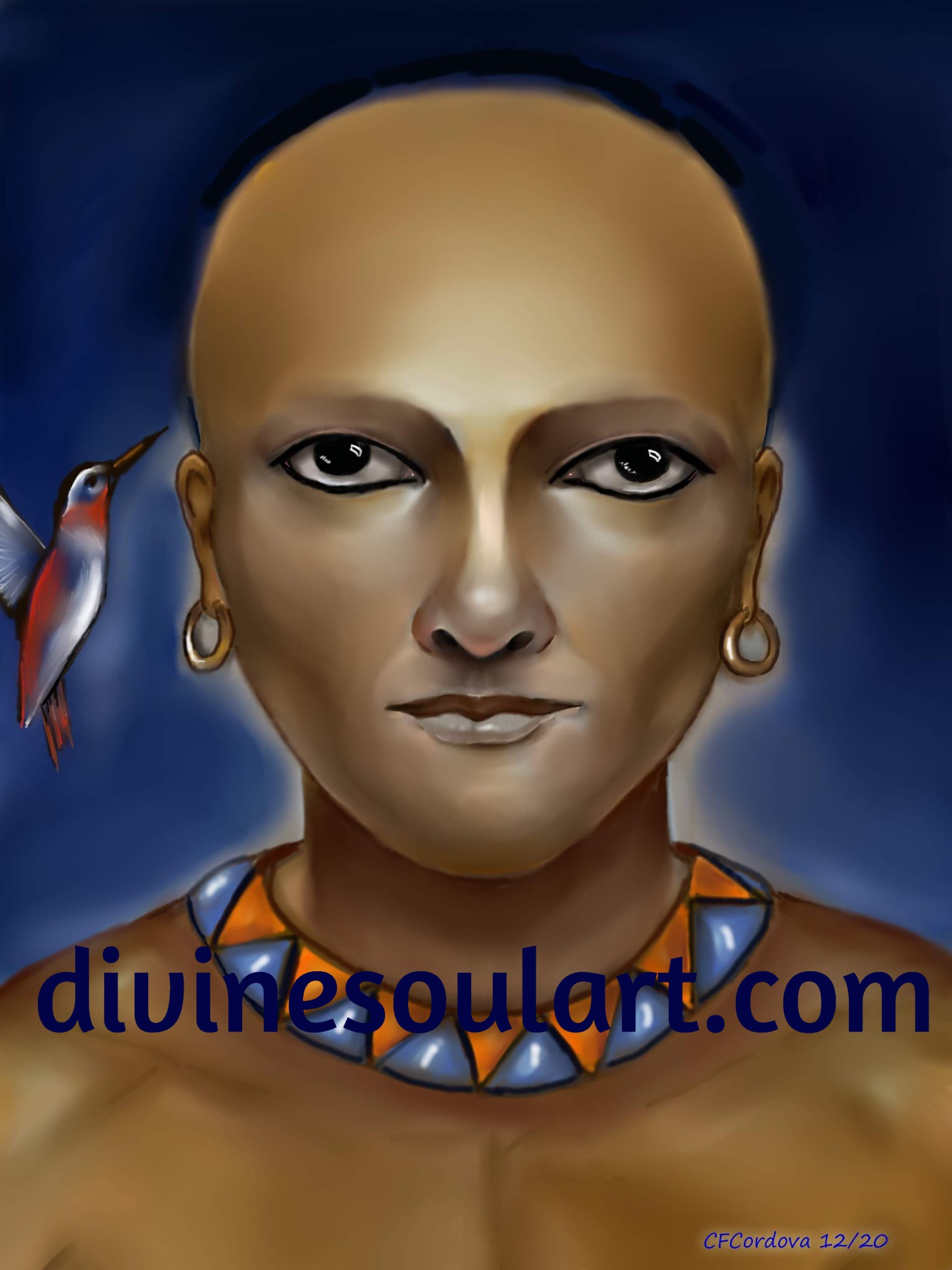 The Egyptian The Egyptian |
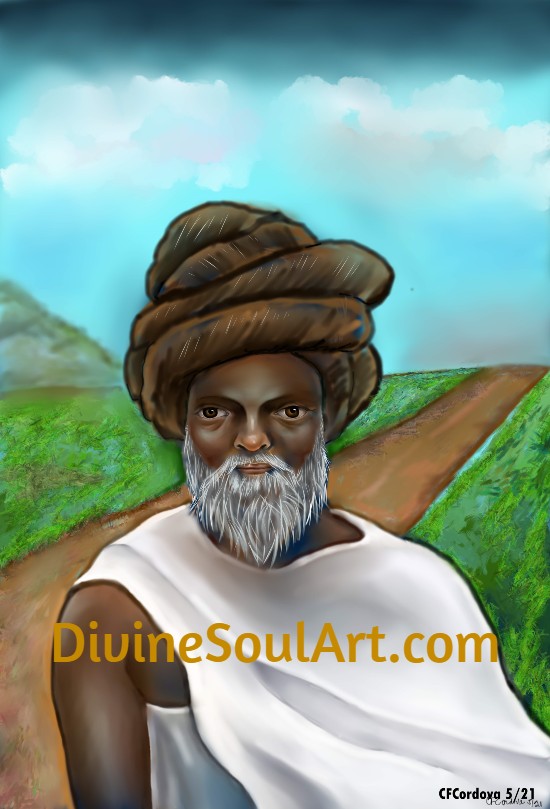 Indian Guru Indian Guru |
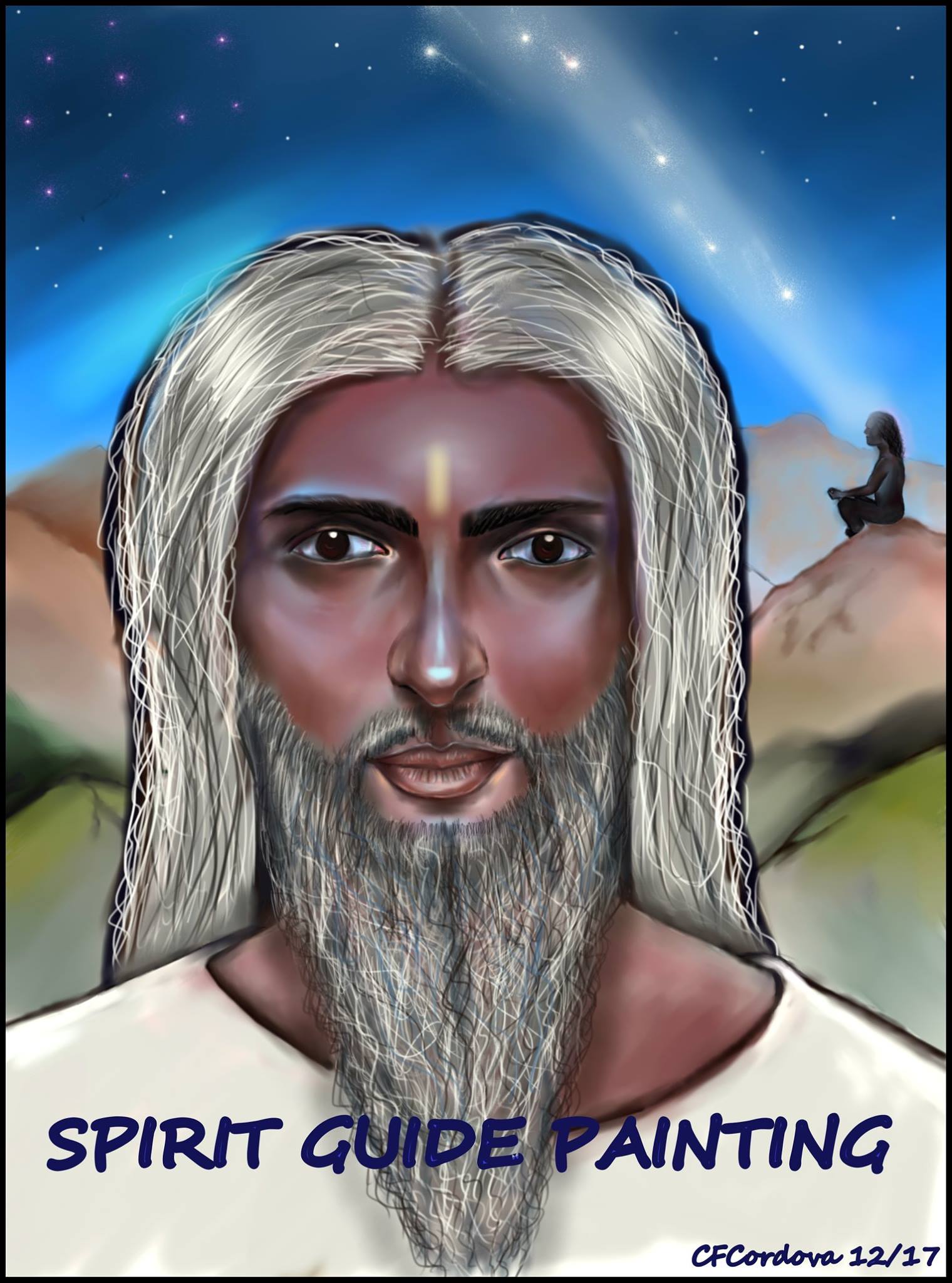 |
 |
 |
 |
 |
 |
 |
 |
 |
 |
Spirit Guide Drawing
 |
 |
 |
 |
 |
 |
 |
 |
 |
 |
 |
 |
 |
 |
 |
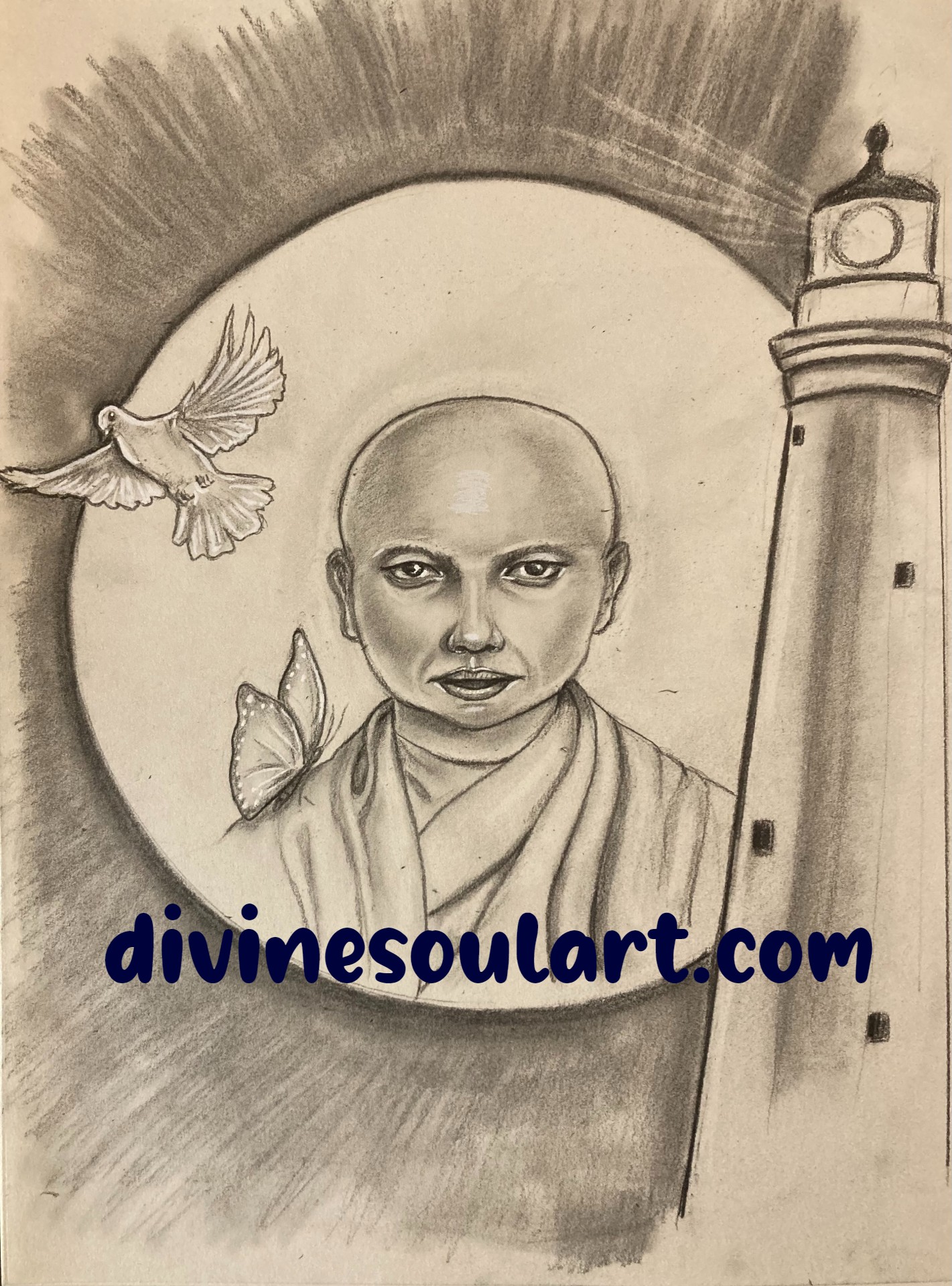 |
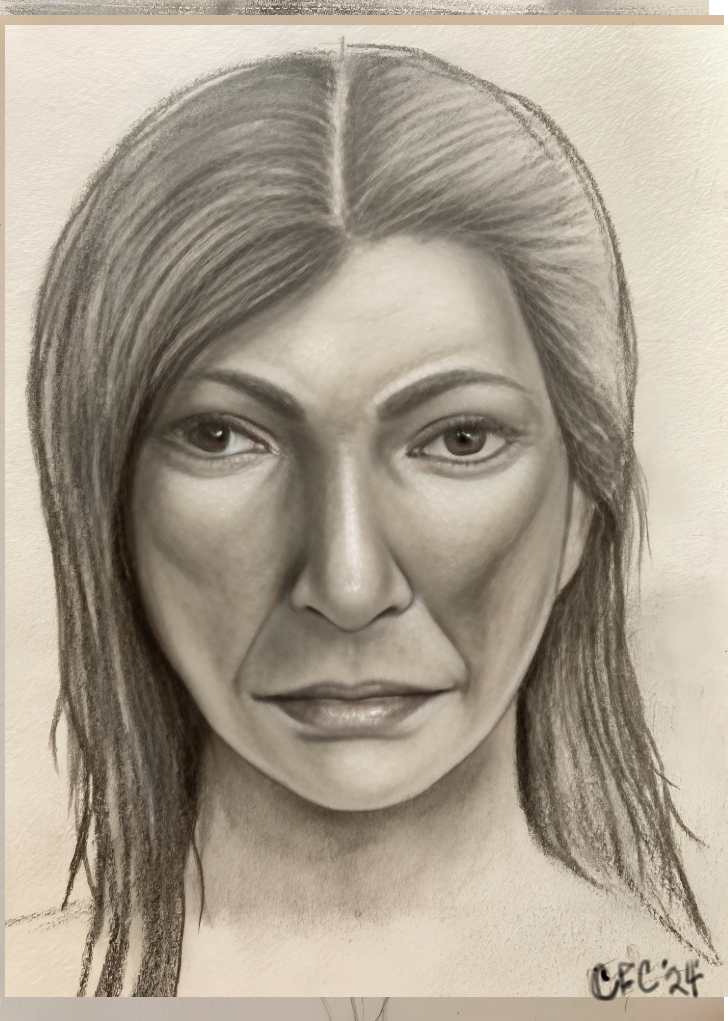
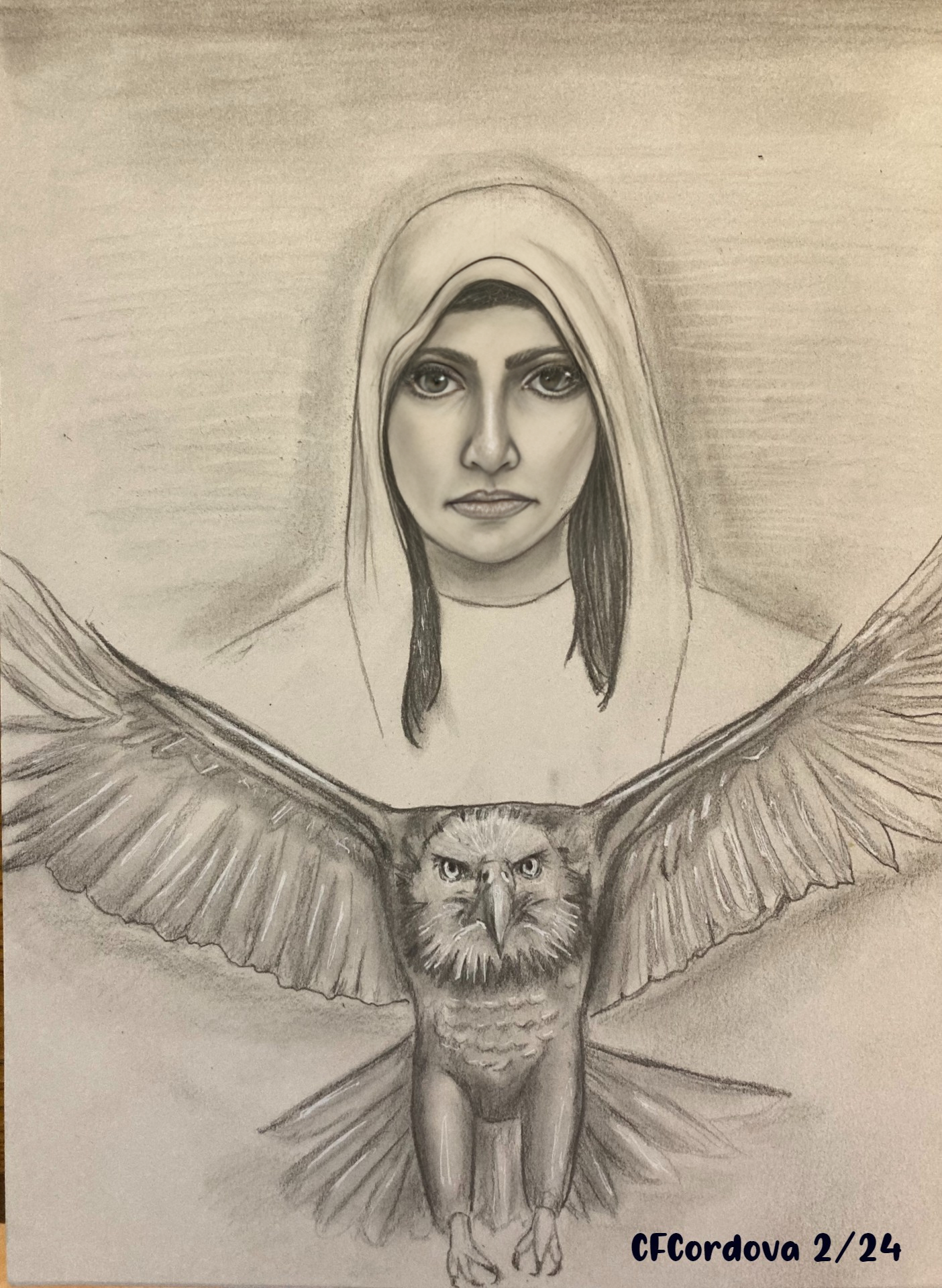
All artwork of spirit guides was created by the owner of this website.
Portraits of spirit guides help individuals connect with their guides and other important spirits who influence various aspects of their lives.
Get to know your Spirit Guides. It is important.
To view more images, click the link below.

“For those who believe, no proof is necessary. For those who don't believe, no proof is possible.”
― Stuart Chase
Let your spirit guides show you the way.
Enjoy!
Related Articles
3-Precipitated Spirit Painting
4-Spiritual Colors and Meaning
Spirit Guide Paintings
Click below and views more than 600 pieces of spiritual artwork
Spiritual Books
If you enjoy the articles on this website, you will also appreciate the short stories in the books below. Click here and continue the journey.