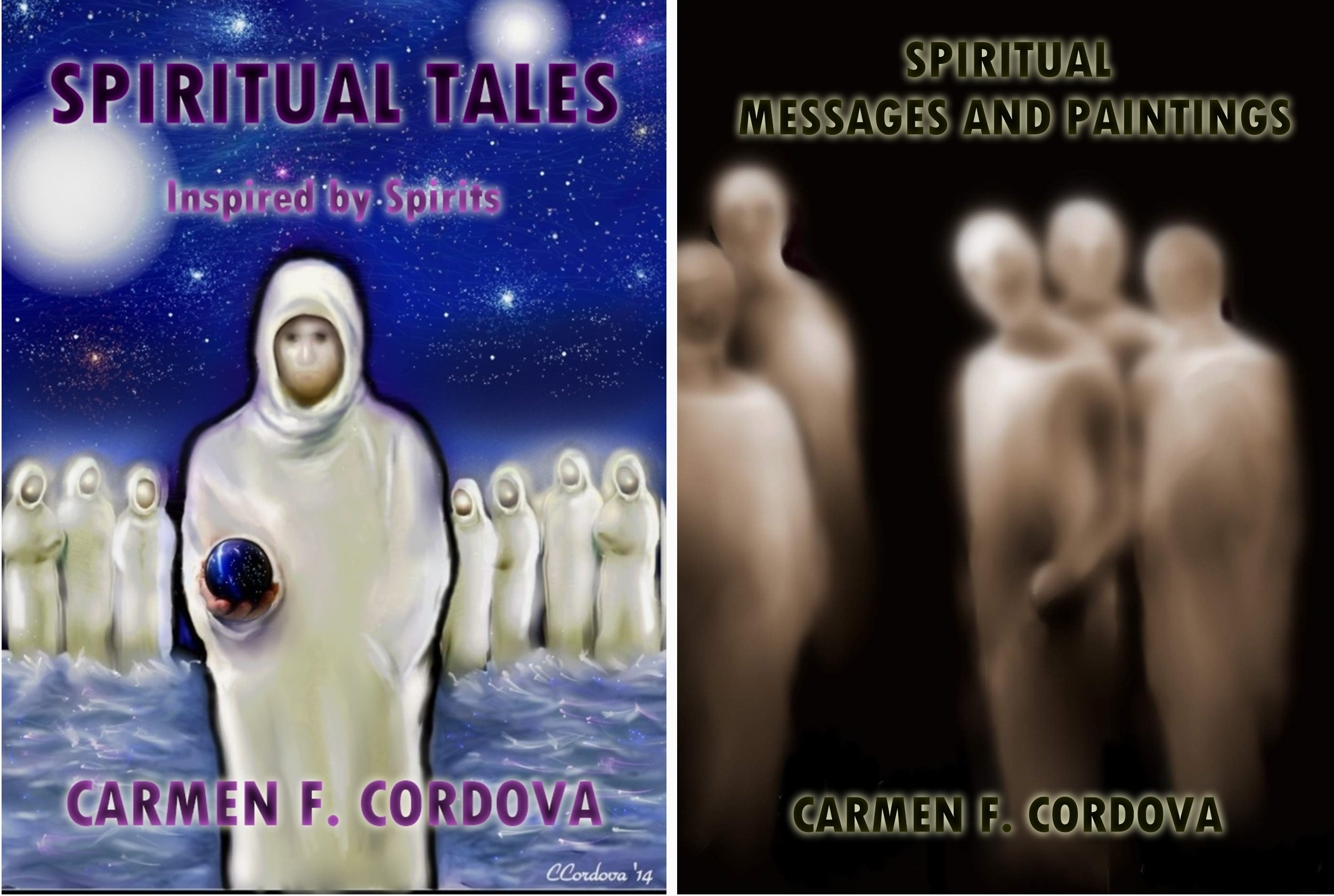
What Are Water Spirits Across Cultures?
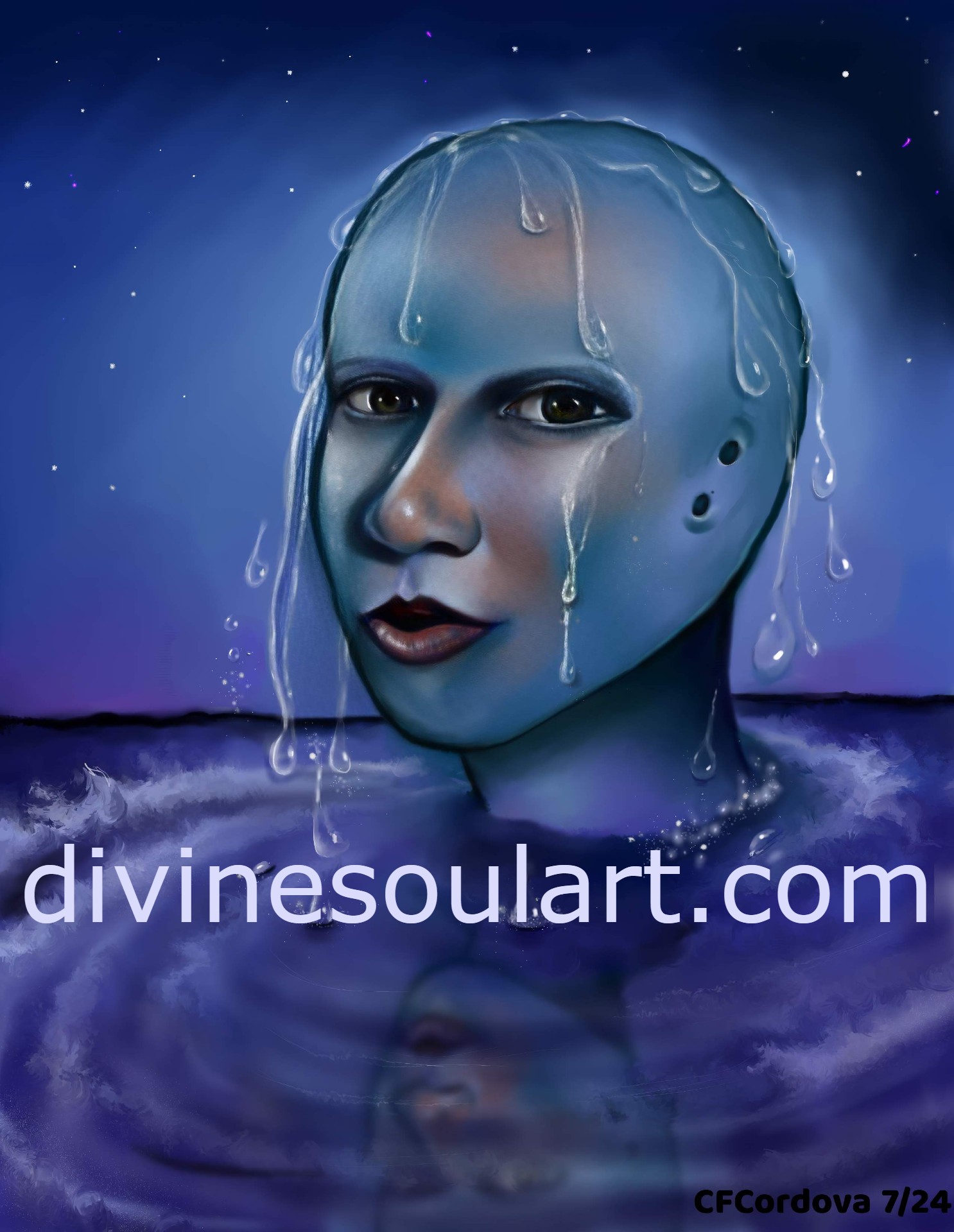 What are water spirits? - Aquatic life
On this page:
What are Water Spirits ?
What are Water Spirits?
Water spirits are supernatural, mythological, or spiritual beings associated with rivers, lakes, springs, seas, and other bodies of water. Across many cultures, they appear in different forms—as protectors, healers, tricksters, deities, seductive beings, or dangerous forces tied to the mystery and power of water.
The meaning of water spirits differs across traditions. In folklore and mythology, they may appear as naiads, mermaids, kappa, nixies, or undines. In some spiritual or religious interpretations, people also connect certain water beings with deeper symbolic meanings such as fertility, healing, death, transformation, or protection.
It is also helpful to distinguish water spirits from marine spirits. Water spirits are the broader term and can refer to beings connected with freshwater or saltwater, while marine spirits usually refer more specifically to spirits associated with the sea or ocean. In some belief systems, marine spirits are viewed negatively or as demonic, while in other traditions water beings are honored, revered, or seen as guardians of nature.
While some believe that water beings are demonic forces, the Bible, particularly the Gospel of John, states that the Holy Ghost is often symbolized by water, representing cleansing, renewal, and spiritual life.
In this guide, we'll explore what water spirits are, how different cultures describe them, how they differ from marine spirits, and why they continue to appear in mythology, rituals, art, and spiritual belief today.
Water Spirits and Suicide
In some cultures, it is believed that individuals who have committed suicide by the act of drowning their spirits are condemned to inhabit bodies of water for eternity.
Water and Marine Spirits
Although water and marine spirits are connected to bodies of water, they are distinct. Marine spirits are specifically associated with the sea or ocean, while water spirits are linked to all types of water, including sea, ocean, rivers, springs, etc.
Marine spirits are considered demonic entities in various spiritual and religious contexts, typically associated with bodies of water such as oceans, rivers, and lakes. They are often depicted as forces of chaos, deception, and destruction, wielding influence over areas near water. These spirits are sometimes linked to specific figures like Leviathan or Mami Wata. They are known to manifest through dreams- Google.
Water Spirits Across Cultures
Water, or mystical beings linked to it, is prominent in the folklore of many cultures, symbolizing both water's nurturing and destructive aspects. They often emerge as symbols of beauty and danger, shaping our understanding of the sea and its mysteries.
These spirits often inspire respect and protection for vital ecosystems, reflecting humanity's reverence for water's power and its intrinsic connection to the earth's health.
Africa
In Yoruba, an African traditional religion, Yemaya and Oshun have been revered since the earliest times as water spirit goddesses, reflecting the deep historical significance of water beings in African traditions. They are known for their motherly healing energies. Yemaya is often depicted as a mermaid.
Even today, a spiritual tradition is observed in Brazil on New Year's Eve at Copacabana Beach. Worshippers gather to honor Yemayá, the Goddess of the Ocean, by throwing white roses and small boats filled with flowers and gifts into the Ocean. This ritual takes place each year in the hope of ensuring a prosperous year ahead. The event attracts hundreds of thousands of participants.
Yemaya's name... "is a contraction of the Yoruba phrase Yeye Omo Eja, which translates to "Mother whose children are the fish." (Google)
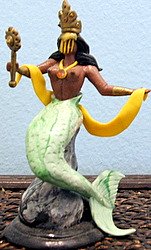 Yemaya - In the form of a mermaid
Mami Wata is also a significant water goddess in various African cultures and parts of South America and the Caribbean. She is known to be a spiritual spouse who guides and protects. She is associated with fertility, healing, love, wealth, and protecting aquatic environments.
NOTE: According to AI Google a spiritual spouse, "...refers to a supernatural being who is believed to be a person's partner on a spiritual level. This partner can be a water spirit or another type of entity."
She embodies male and female traits, though she is typically depicted as female, often as a mermaid or, at times, as a snake charmer. Her allure and power make her a central figure in African spiritual traditions, where she is intertwined with the mysteries of water.
While Yemaya and Mami Wata are both associated with African and Afro-Caribbean religions and represented as mermaids, they are completely distinct entities.
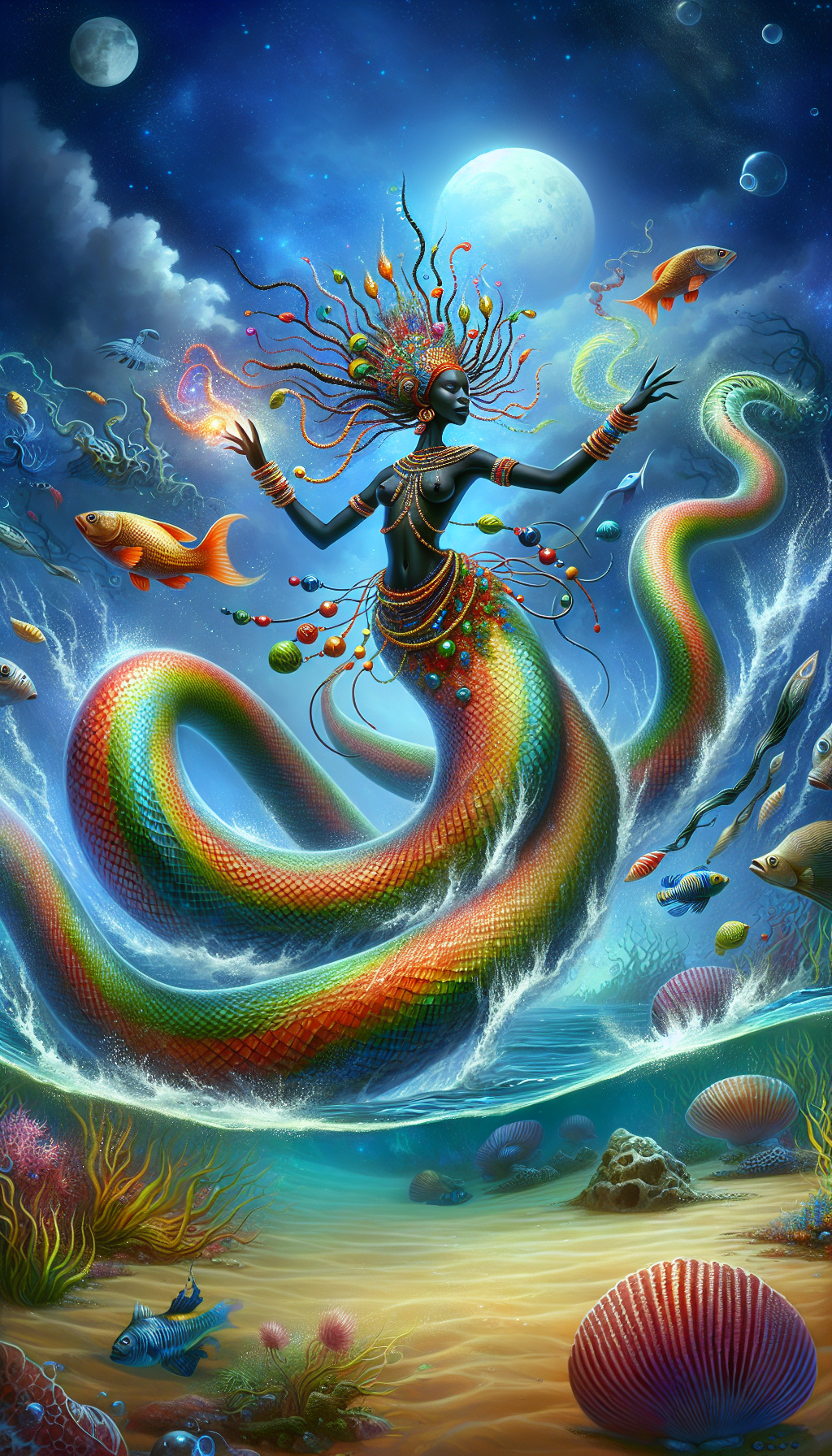 Mami Wata pic by Tai
Celtic
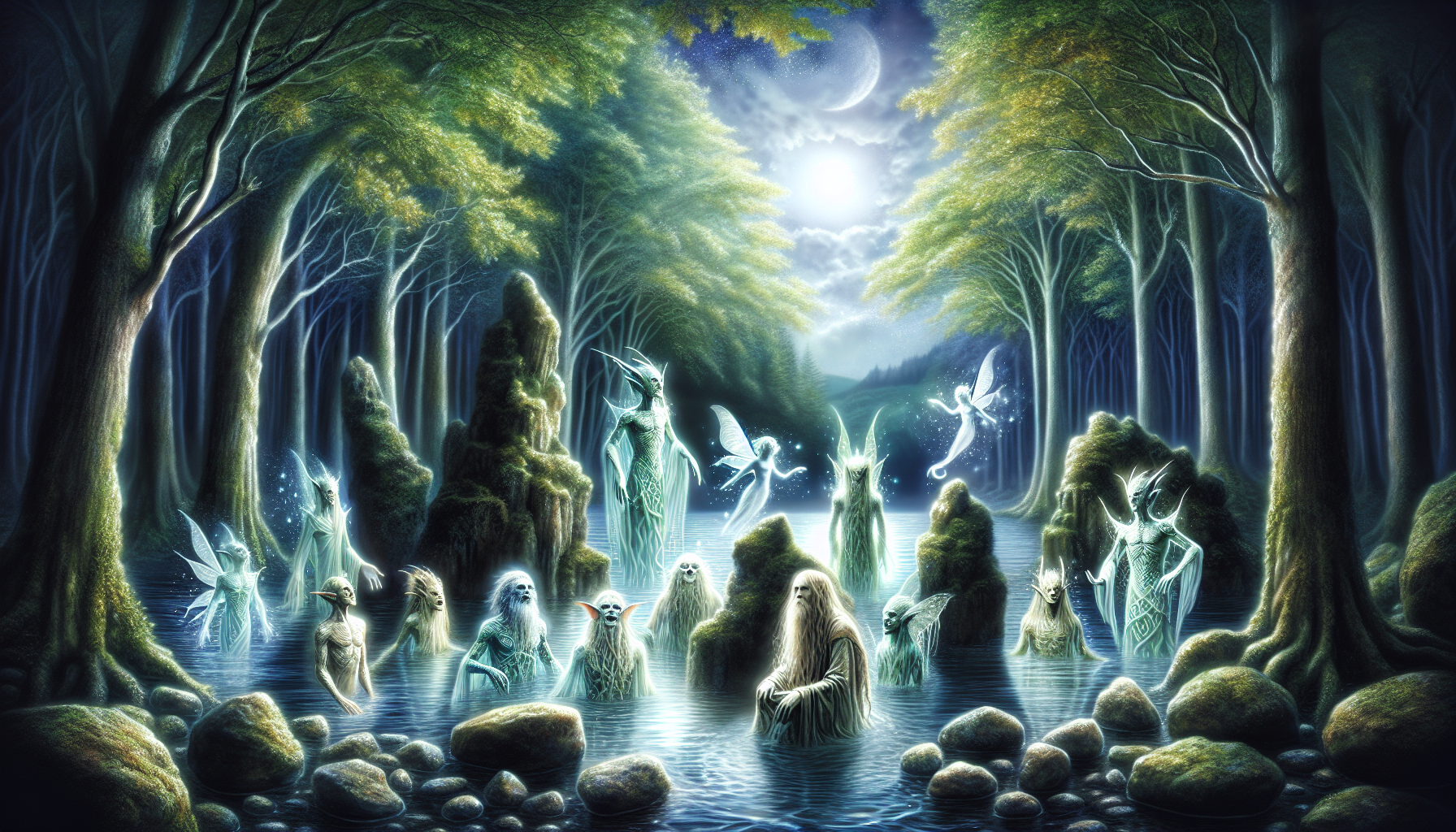 Water beings? -pic by Tai
Celtic water beings, often shown with magical abilities, deeply connect to natural elements and the changing seasons. These spirits are integral to Celtic mythology, embodying the duality of nature’s purity and power.
Their presence in folklore underscores the Celts’ deep respect for water and its life-giving properties.
Japanese
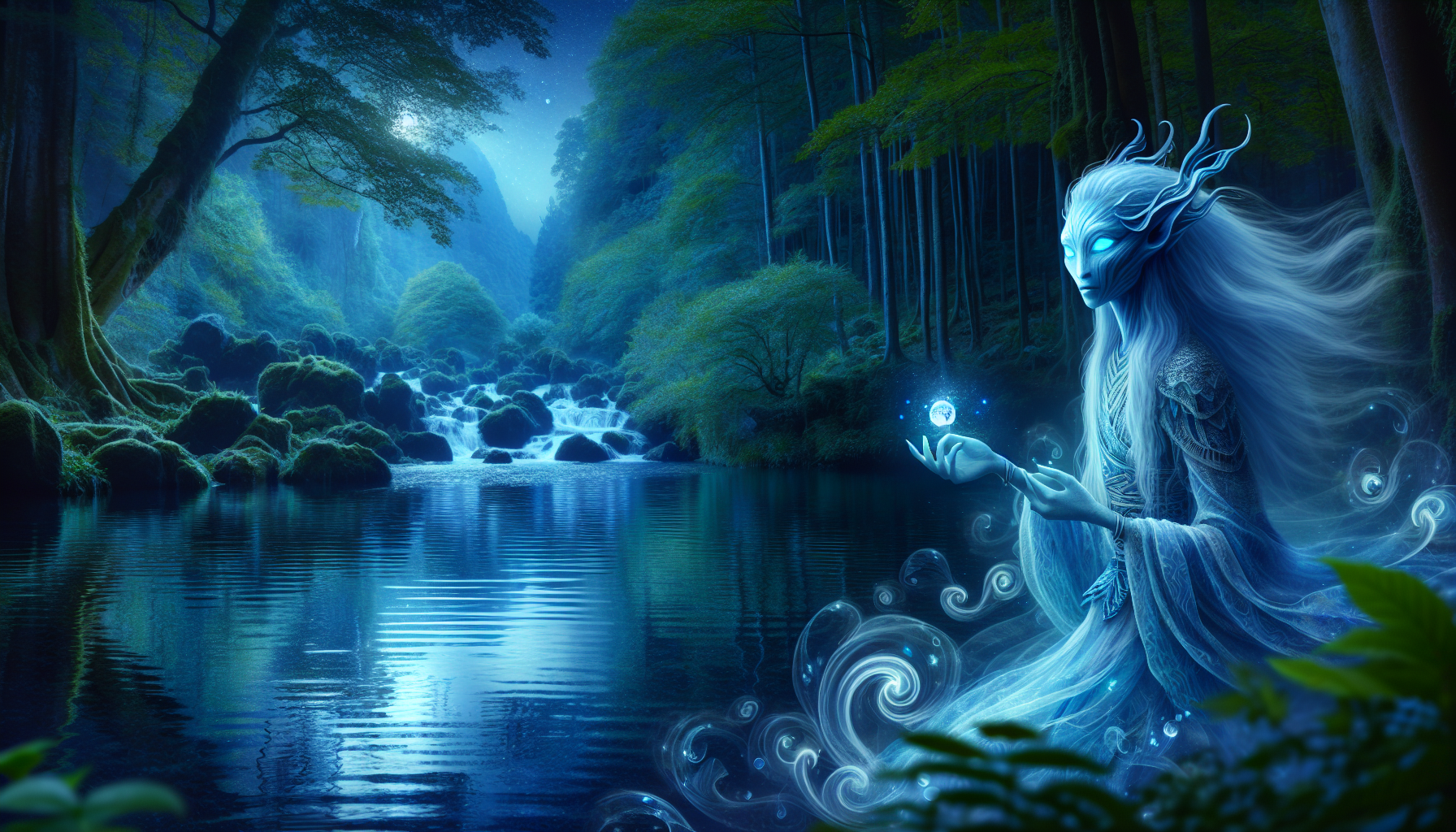 pic by Tai
Japanese folklore includes water beings such as the mischievous Kappa and the tempestuous Umibōzu. The Kappa, known for its dual nature, can protect waterways yet also harm humans, often perceived as evil spirits in certain tales. Meanwhile, the Umibōzu, characterized by its giant size and unpredictable temperament, often appears during storms at sea, reflecting the ocean's chaotic nature.
These spirits highlight the cultural significance of water in Japan and its dual capacity for creation and destruction.
Mythological
Water deities in various mythologies embody unique attributes tied to water's nature and influence. These deities, revered for their power, often symbolize the purity and strength of natural elements, much like a god.
Their stories reflect humanity's lasting fascination with water and its essential role in our lives.
Ancient Greek Naiads
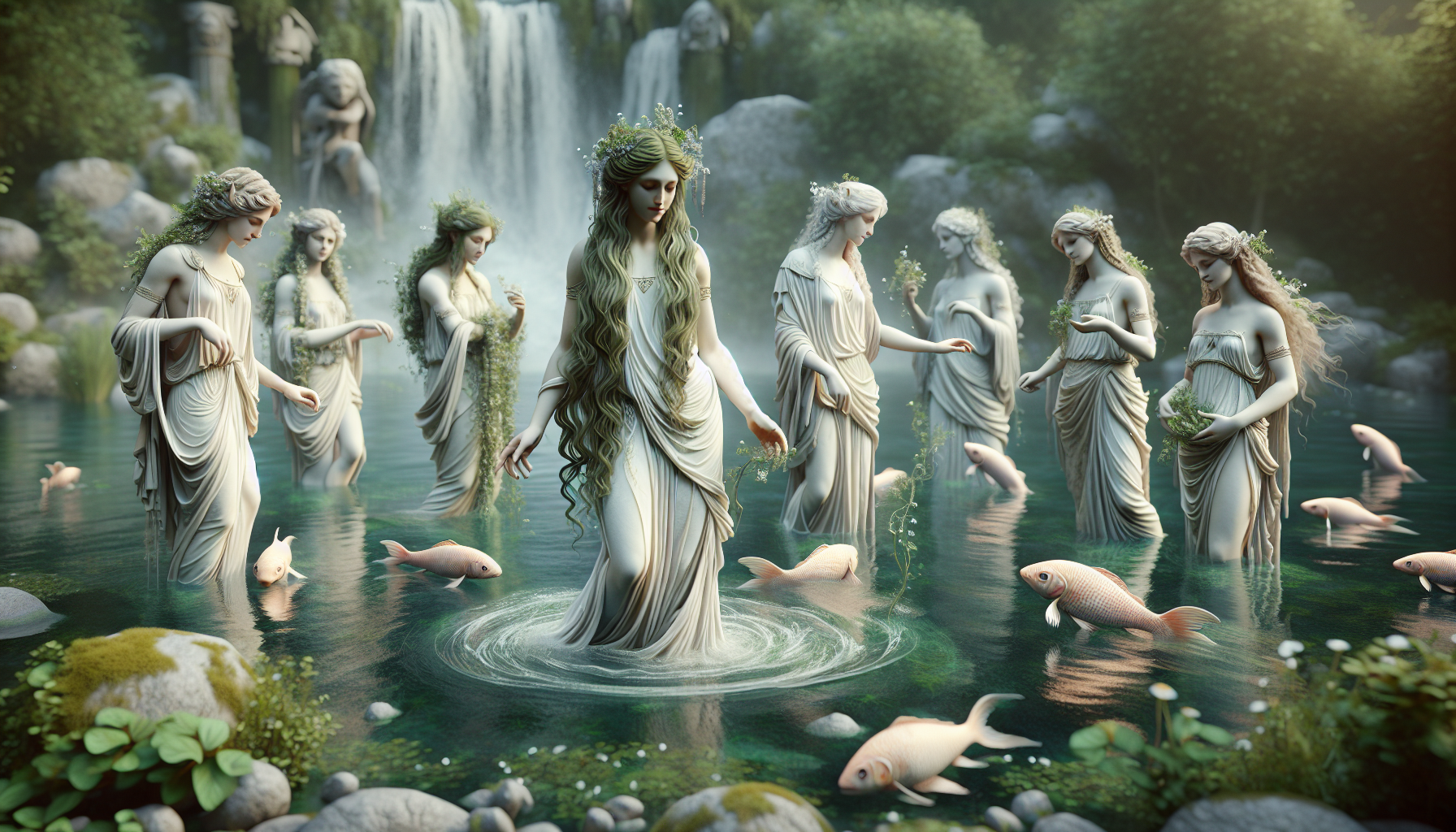 Naiads by Tai
In Greek mythology, Naiads are freshwater nymphs associated with specific bodies of water, such as springs and rivers. Known for their enchanting beauty, they inhabit these freshwater environments and are often portrayed as nurturing and protective figures. Myths involving Naiads showcase their intricate relationships with gods and mortals, exploring themes of love, loss, and the unpredictable nature of water.
In Greek mythology, Naiads are freshwater nymphs associated with specific bodies of water, such as springs and rivers. Naiads, known for their beauty, are often depicted as enchanting young men, luring them into their watery realms. They inhabit these freshwater environments and are often portrayed as nurturing and protective figures. Myths involving Naiads showcase their intricate relationships with gods and mortals, exploring themes of love, loss, and the unpredictable nature of water.
Roman Water Gods
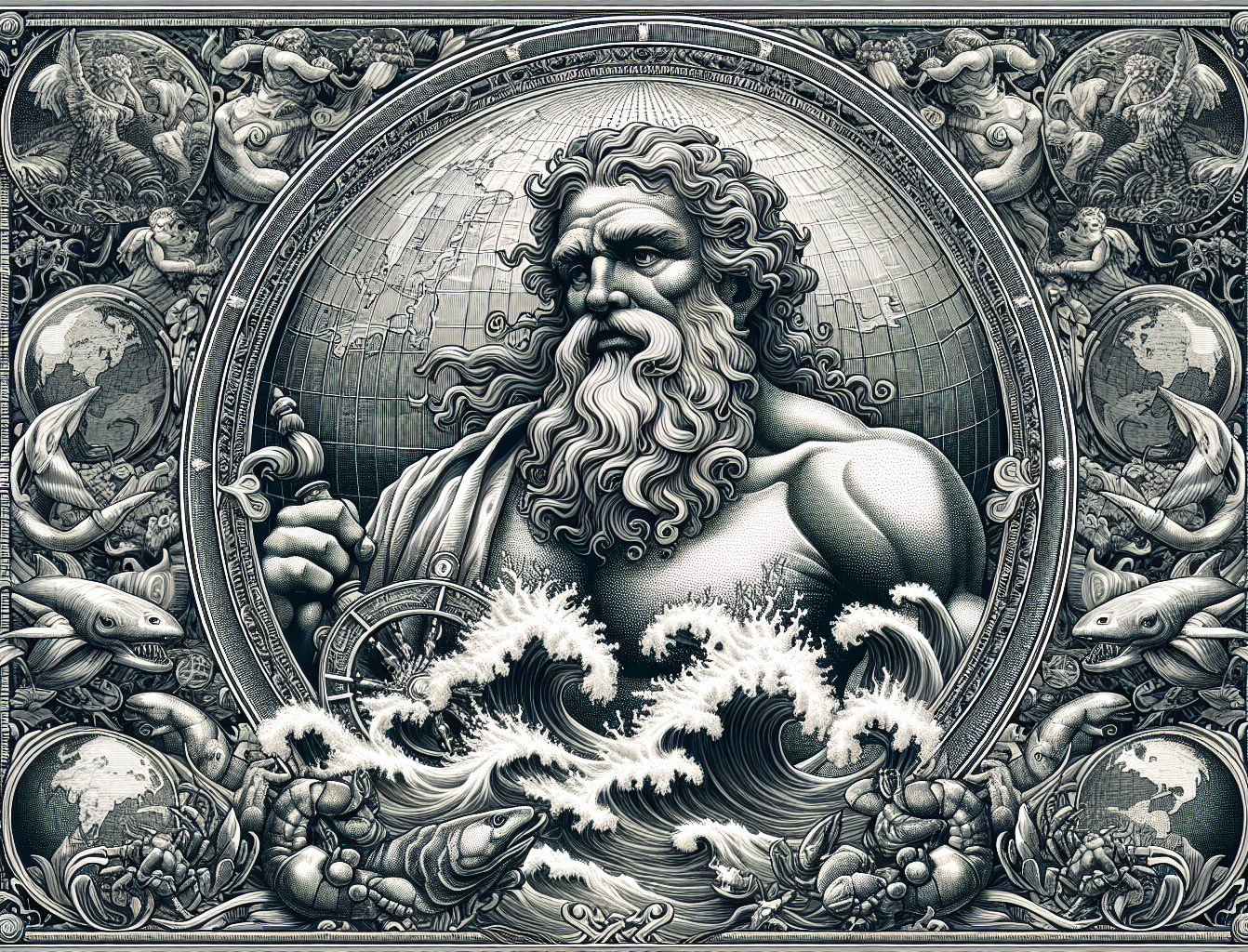 Oceanus by Tai
Roman mythology includes powerful water gods like Oceanus and Triton- both marine spirits. In some myths, Oceanus is depicted with his wife, Tethys, symbolizing the union of sea and earth.
Oceanus, symbolizing the ocean as a primordial force, embodies both its nurturing and destructive aspects.
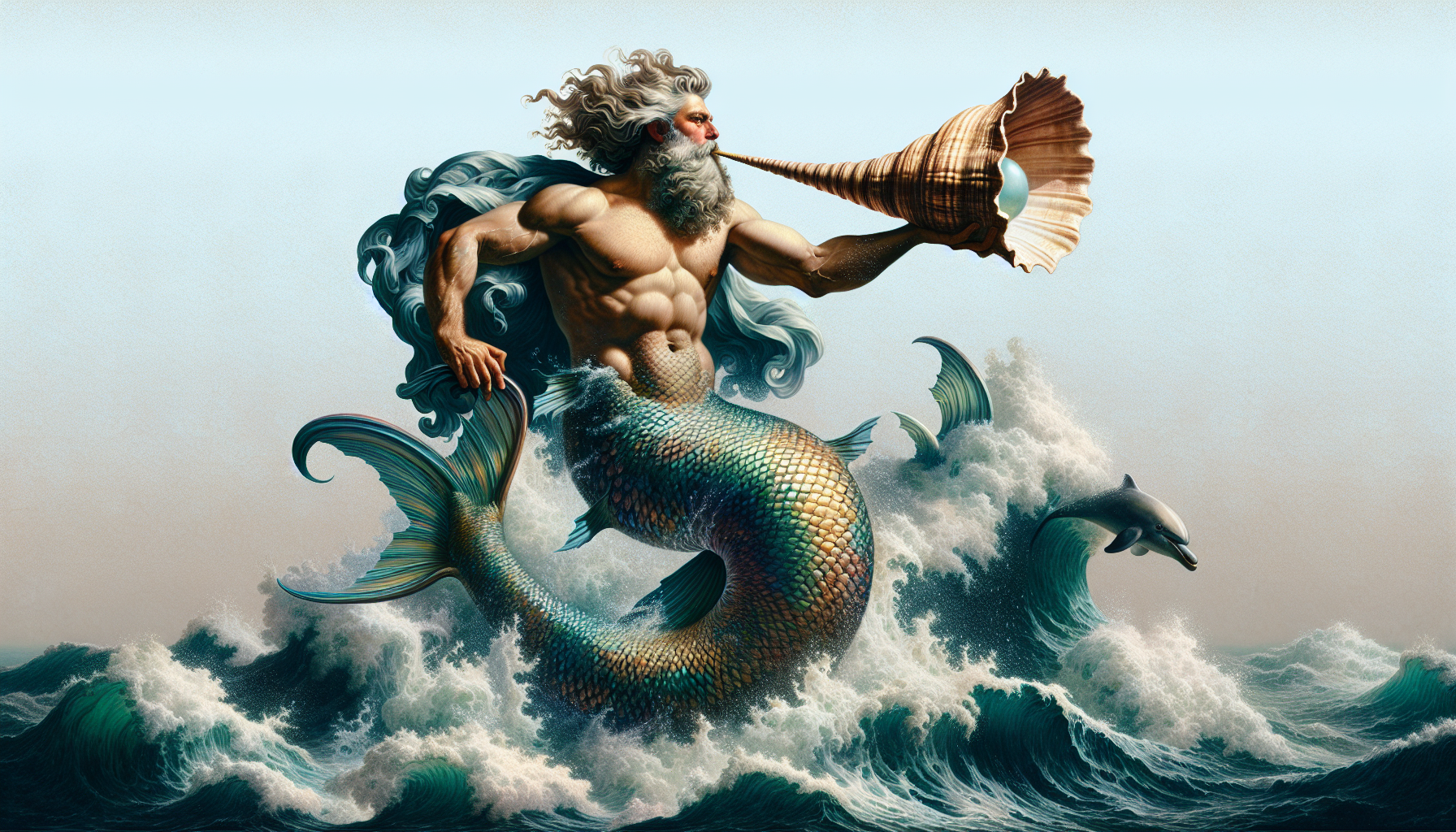 marine spirits -titron by Tai
Triton, depicted as a merman with a trident, represents the dynamic nature of the sea, illustrating its potential for both beauty and chaos.
Dangerous Slavic Water Beings
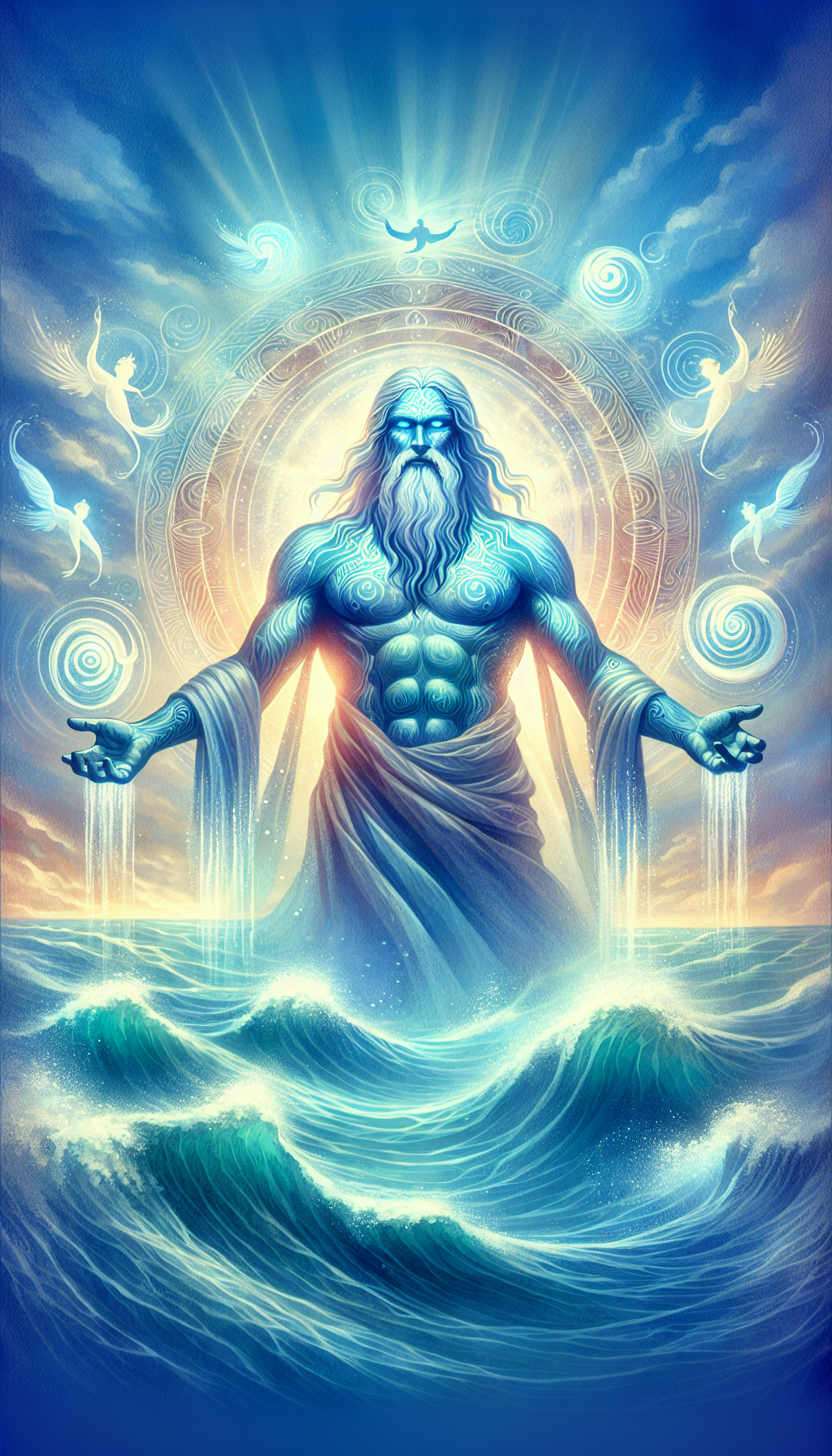 Vodnik by Tai
According to Slavic folklore, the primary water spirit is known as the ‘Vodnik’ (or ‘Vodyanoy’ in Russian). This spirit is typically depicted as an older male figure who dwells in water and can endanger humans. Folklore states that Vodník is an evil spirit who enjoys drowning humans.
In contrast, the female water being is called ‘Rusalka.’ She is often associated with the image of a mermaid. Rusalka is also a significant figure in Russian folklore.
Legendary Water Creatures
Legendary water creatures often symbolize human hopes and fears, serving as enigmatic figures in cultural narratives. In some legends, a river child confronts and defeats powerful water spirits, illustrating the interaction between human and spirit realms. These beings, such as mermaids, can be seen as both benevolent helpers and dangerous temptresses, reflecting society’s views of women and nature.
Their myths shape societal values and influence community relationships with water.
Mermaids and Mermen
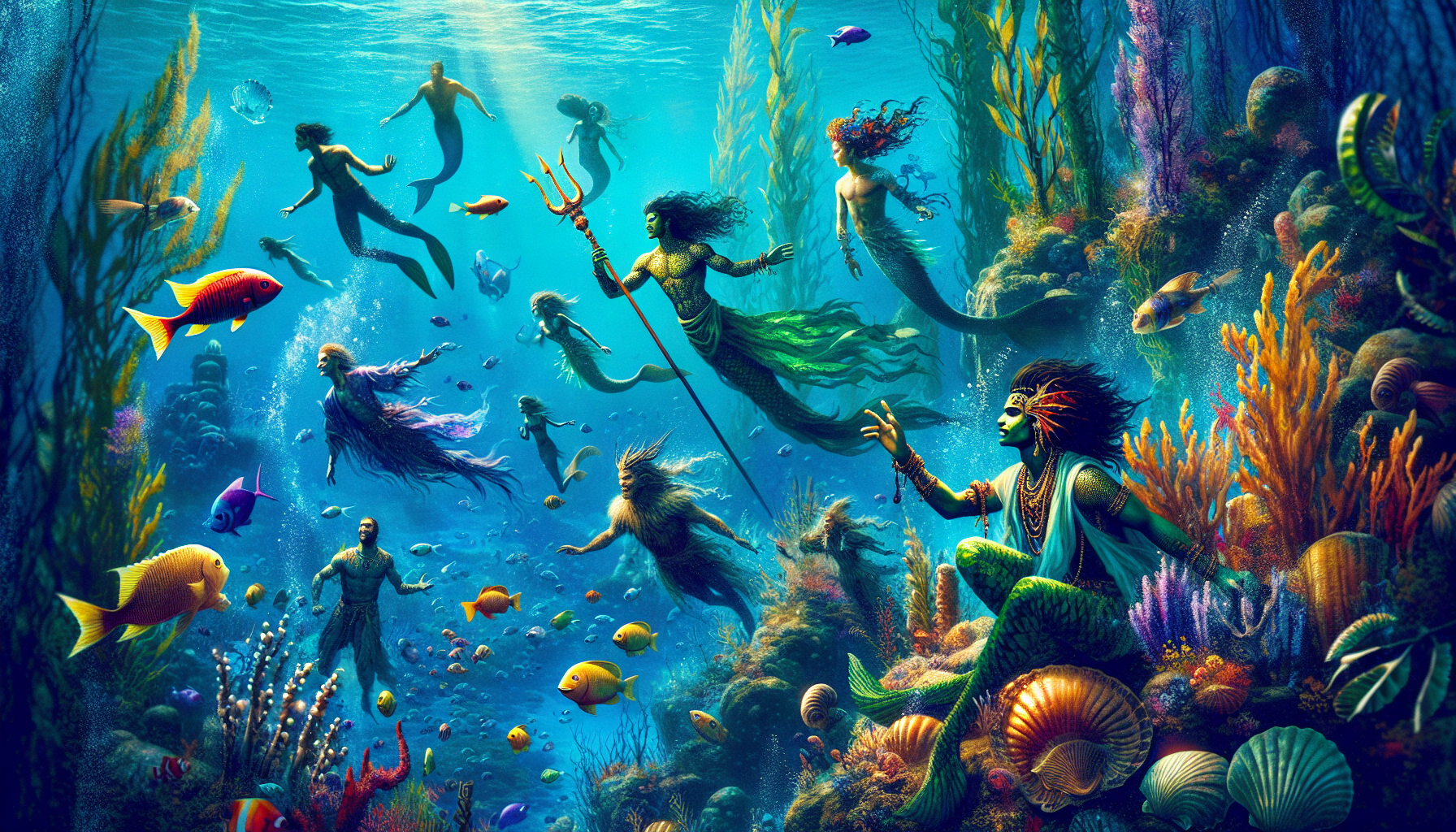 Marine spirits - mermaids and mermen by Tai
Mermaids and mermen appear in various cultural depictions, often emphasizing their dual nature. While some cultures depict them as benevolent figures linked with fertility and healing, others highlight their treacherous traits, luring sailors to their doom.
Mami Wata, for instance, is often depicted as a mermaid, embodying themes of beauty and danger.
Nixies and Undines
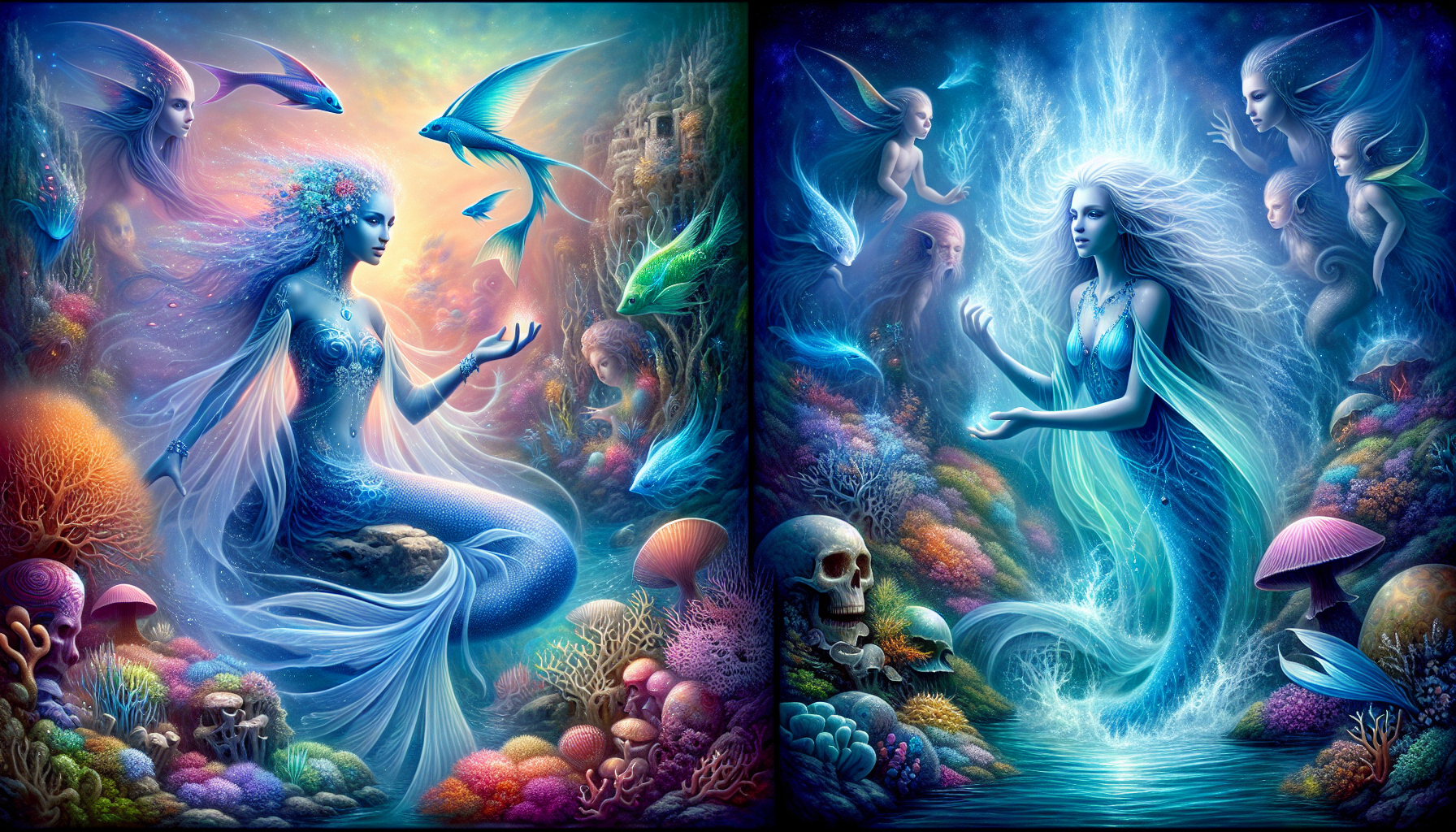 Nixies and Undines by Tai
Nixies and Undines, from Germanic folklore, are shapeshifting water spirits known for their enchanting yet perilous nature. Nixies often lure humans to their watery realms, illustrating themes of seduction and danger.
These spirits highlight the complex relationship between humans and water.
Moon and Spirits of the Water
In various cultures and spiritual traditions, the full moon is associated with water spirits. It is believed to be a time when these spirits are accessible and receptive to human interaction. Many rituals are performed on these days.
During this time, it is believed that the energies of water spirits arise, offering and bringing heightened spiritual awareness.
Rituals and Ceremonies
Water spirits play vital roles in various cultural rituals and ceremonies, often linked to fertility, health, and protection. These practices underscore the importance of water spirits in maintaining balance and harmony within communities.
Healing Rituals
In many traditions, water spirits are central to healing rituals, believed to have powers that can cleanse and restore energy. These ceremonies often involve offerings and prayers at springs or streams, symbolizing blessings and healing energies for both water and land.
Fertility Rites
Fertility rites often involve offerings to water spirits, believed to enhance fertility and ensure the health of crops and childbirth. These rituals, performed at sacred water bodies, highlight the nurturing aspects of water spirits.
Ceremonies
Protection ceremonies invoking water spirits aim to safeguard communities and natural resources. These rituals, involving offerings and community participation, help ensure clean water sources and ecological balance.
In Brazil, a spiritual tradition occurs on New Year's Eve at Copacabana Beach. Worshippers gather to honor Yemayá, the holy spirit goddess of the water, by throwing white roses and boats of various sizes filled with flowers and gifts into the ocean. This ritual is performed each year in hopes of a prosperous year ahead. The event attracts hundreds of thousands of participants.
She is seen as a protector, mother, and best friend to her devotees
Environmental Significance
Guardians
Many cultures view water spirits as protectors of essential water bodies, reinforcing ecological stability and promoting respect for these resources. Their reverence in folklore encourages the conservation of water and its sanctity.
Conservation Efforts
The respect for water spirits often motivates community-led initiatives to protect aquatic environments and encourage sustainability. These actions highlight the cultural importance of water spirits in promoting collective responsibility for environmental conservation.
People Want to Know
What are water spirits?
Water spirits are supernatural or mythological beings connected to water. Different cultures describe them in different ways, including as nymphs, deities, guardians, mermaids, tricksters, or spiritual forces associated with rivers, lakes, springs, seas, and oceans.
Are water spirits the same as marine spirits?
Not always. Water spirits are a broad term that can include beings linked to all forms of water, including rivers, springs, lakes, and oceans. Marine spirits usually refer more specifically to sea- or ocean-related beings. In some religious traditions, the term marine spirits may also carry a demonic meaning, which is not true of all water-spirit traditions.
Are water spirits always evil?
No. In many traditions, water spirits are not automatically evil. Some are seen as protective, healing, nurturing, or fertility-related beings, while others are described as dangerous, seductive, or destructive. Their role depends on the culture, myth, or spiritual belief system.
What are some examples of water spirits?
Examples of water spirits include:
- Naiads in Greek mythology
- Kappa in Japanese folklore
- Mami Wata in African and Afro-diasporic traditions
- Nixies and Undines in Germanic folklore
- Rusalka and Vodnik in Slavic folklore
- Mermaids and mermen in many global traditions
What do water spirits symbolize?
Water spirits often symbolize water's mystery, beauty, fertility, danger, healing power, and unpredictability. In some traditions, they also represent emotional depth, transformation, intuition, death, rebirth, or the boundary between the physical and spiritual worlds.
Why do so many cultures have stories about water spirits?
Water is essential for life, but it can also be unpredictable and dangerous. Because rivers, lakes, and oceans inspire both awe and fear, many cultures created stories about beings who inhabit or rule those waters. These stories helped explain nature, honor sacred places, and express spiritual ideas.
Do water spirits belong only to mythology?
Mostly, people know water spirits through mythology, folklore, and traditional spiritual beliefs. However, some modern spiritual communities still view them as real spiritual beings or symbolic energies connected to nature and ritual practice.
What is the difference between water spirits and water deities?
A water spirit is usually a supernatural being associated with water, while a water deity is more often a god or goddess with divine status and wider spiritual authority. In some traditions, the line overlaps, but not every water spirit is considered a deity.
Are mermaids considered water spirits?
In many traditions, yes. Mermaids and mermen are often treated as a type of water spirit because they are linked to the sea and are described as supernatural beings with both alluring and dangerous qualities.
Why are water spirits still important today?
Water spirits remain important because they continue to inspire art, spirituality, storytelling, symbolism, and ecological respect for rivers, lakes, and oceans. They reflect humanity's enduring relationship with water as both a life-giving and mysterious force.
Summary
Water spirits, with their rich cultural and mythological backgrounds, continue to play significant roles in modern society. They inspire artistic expression, influence rituals and ceremonies, and promote environmental conservation. By understanding these mystical entities, we appreciate the deep connections between humanity and the natural world. Their enduring presence in folklore and modern culture underscores the timeless relationship between water and life. Let us carry forward the respect and reverence for these spirits, ensuring that we protect and cherish our water bodies for future generations.
RELATED LINKS
Click below and view more than 600 pieces of spiritual artwork

Spiritual Books
If you enjoy the articles on this website, you will also appreciate the short stories in the books below. Click here and continue the journey.