Death and Afterlife
What Happens After We Die?
 Death and Afterlife
Death and Afterlife
Why Death and the Afterlife Matter
Have you ever wondered what happens when we die or contemplated the meaning of death and afterlife? You are not alone. These questions have puzzled and intrigued people across cultures and throughout history.
Shakespeare called death "the undiscovered country from whose bourn no traveler returns." That phrase, written around 1600, still captures the unique terror and fascination human beings feel when confronting mortality. Whether you hold firm faith in heaven, suspect that death means non-existence, or simply aren't sure, the question of what lies beyond the grave shapes how you understand your own life.
The quest to comprehend what happens after we die reflects a deep human desire to find meaning in our existence and to connect with something greater than ourselves.
The nature of the soul, along with its inherent qualities and characteristics, is thought to be revealed following death. This revelation influences one's experiences in the afterlife and relationships with others in the spiritual world.
Different cultures and religions offer various interpretations of what happens to the soul once it departs from the physical body.
In this article, we will explore various aspects of death and the afterlife to shed light on what may occur after we pass away.
By the end, you should have a richer understanding of how humanity has confronted death, and a clearer sense of how your own convictions might shape the way you live, grieve, and hope.
Definition: Death and Afterlife
Definition:
Death-The end of the life.
Afterlife-Life after death.
Death and afterlife are complex concepts that have been debated and explored throughout human history. Death is commonly understood as the end of bodily functions, marking the conclusion of physical life. In contrast, the idea of afterlife suggests the existence of an immortal soul, which is believed to survive the death of the material body and continue in some form.
Upon death, the spirit separates from the body and resides in the spirit world. This world is often seen as a transitional phase where spirits exist until they move on to their final destination.
What Happens After Death?
When you inquire about what occurs after death, the responses tend to group into a few broad categories:
- Extinction: Materialism views death as the permanent cessation of consciousness. Once the brain stops, personal experience ends. There is no soul, no afterlife, no continuation.
- Survival of the Soul: Many Abrahamic traditions hold that a distinct soul survives death and faces judgment, possibly entering heaven, hell, or a purifying state. Islam teaches that souls are judged and sent to Heaven or Hell based on their faith and deeds.
- Reincarnation or Rebirth: Hindu and Buddhist traditions propose that a person's actions (karma) determine future births. Buddhism believes in rebirth based on karma from past actions, though it rejects a permanent, unchanging soul.
- Physical Resurrection: Judaism, Christianity, and Islam each contain doctrines of a future physical resurrection-God raising the dead in transformed bodies on a renewed earth.
The contrast between a one-life judgment model and a multiple-lives model is significant. In one-life frameworks, a person's actions in a single lifetime determine where they spend eternity. In karmic systems, moral justice unfolds over many lifetimes. Each approach attempts to account for the observation that life often seems unfair.
Not all traditions fit neatly into one category. Some combine elements: Kabbalistic Judaism, for example, embraces both reincarnation and resurrection. New Age and esoteric movements often blend spiritual survival with ideas about astral planes and evolving souls. The sections that follow will go deeper into each of these, beginning with the ancient world.
Understanding Death, Afterlife and the Immoral Soul
When we die, the spirit separates from the body, embarking on a new phase of existence. Many religious and spiritual traditions propose that life continues in another form after physical death.
Life after death suggests continuity after our physical bodies perish. This belief can offer comfort, providing hope in the face of death.
The mourning process for loved ones who have passed is often tempered by the hope that they continue to exist in an afterlife. Various cultures and religions hold that the consciousness or identity of an individual survives beyond physical death. This belief in the persistence of the soul or spirit is a cornerstone of many afterlife doctrines, providing solace to the bereaved and a sense of purpose to the living.
Belief systems offer different interpretations of the afterlife. Many cultures envision the afterlife as a spiritual realm where souls persist.
Judaism, for instance, focuses on ethical living and good deeds as pathways to a favorable afterlife. For many Jewish people or Jewish tradition, the emphasis is on their actions in this life rather than on speculations about what occurs after death.
Confucius, too, suggested that understanding life is vital to understanding death, highlighting the interconnectedness of both experiences.
The spirit world is often depicted as a realm for souls after bodily death. This concept spans numerous religious traditions, each offering its own unique perspective on the nature of this spiritual domain.
Cultural Beliefs on the Afterlife
Every civilization has developed narratives to answer this question. Some imagine detailed landscapes of judgment and paradise. Others insist that consciousness ends at the last heartbeat. Still others propose cycles of rebirth, or spiritual evolution. These are not idle speculations. Afterlife beliefs influence ethics, law, mourning rituals, how societies treat the dying, and how each person decides what matters most in the time they have.
Ancient Egypt
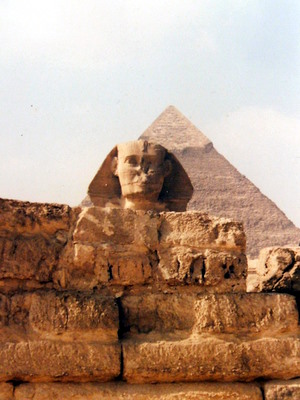
In the mysterious world of ancient Egypt, the afterlife was seen as a complex journey that required careful preparation and strict adherence to sacred rituals.
Ancient Egyptians believed in a soul's journey to the afterlife with an explicitness that few other ancient cultures matched. They understood the human self as composed of multiple spiritual elements, including the ka (life force or spiritual double) and the ba (consciousness) that could travel between worlds).
In addition, they believed in a physical afterlife, where the soul would be reunited with the body. This belief was central to their burial practices, which included mummification and the provision of goods for the afterlife. The idea was that the soul, or ka, would need a material body to inhabit in the afterlife, ensuring its continued existence.
After death, the ba was believed to journey through the Duat-the kingdom of the dead-facing trials and dangers before reaching the Hall of Two Truths. There, in a scene depicted in countless tomb paintings and papyri, the dead person's heart was weighed on a great scale against the feather of Ma'at (truth and cosmic order). Ancient Egyptians believed in judgment by weighing the heart against a feather. If the heart was lighter than the feather, the soul could proceed to eternal life in the Field of Reeds. If heavier, the monstrous Ammit devoured it, and the person ceased to exist.
The Book of the Dead is a collection of spells and incantations that serve as an essential guide for navigating the challenges of the afterlife. This text was carefully inscribed on papyrus and buried with the deceased to provide protection and guidance for the soul's journey.
Through these practices, the ancient Egyptians aimed to attain immortality, ensuring their place among the virtuous dead in a blissful afterlife.
Egyptian religion treated death as a transition, not a terminus.
Greek
In Greek mythology, souls are judged in the underworld after death. They believed in a more spiritual afterlife, where the soul would exist in a state of bliss or torment.
The Greek underworld, ruled by the formidable Hades, presents a fascinating glimpse into ancient beliefs about death and the afterlife.
The dead souls of the deceased were ferried across the rivers of the Underworld by a grim ferryman who required an obol (a silver coin) for passage. This journey was filled with challenges. People who lived pure lives went to Elysium Fields, the wicked to Tartarus, and those with mixed deeds to Asphodel Fields.
Guarding the gates of this shadowy realm was Cerberus, the three-headed dog who ensured that souls could enter but never leave.
This realm, steeped in myth and mystery, continues to evoke a sense of awe and contemplation about the nature of life and death.
Christianity and Eternal Life
Christianity offers a complex perspective on the afterlife, which includes the idea of an intermediate state and the promise of eternal life. They also provide the concepts of heaven, hell, and purgatory.
According to the teachings of Jesus Christ, Christianity centers on a single life followed by judgment based on faith and actions, and parables like the one found in Luke 16, present a continuation of existence exists beyond death.
This suggests that souls enter an intermediate state while awaiting final judgment and the believer's meeting with the Lord.
The Catholic Church teaches that after the body dies, the soul is judged; the righteous are granted Heaven, while those who are sinful may face hell or purgatory for purification before ultimately entering Heaven, while many traditions also look ahead to a new earth.
The resurrection of Jesus is central to Christian doctrine, offering believers the hope of immortality and everlasting life.
For early Christians, Jesus' rising was the first resurrection that grounded belief in bodily resurrection rather than merely spiritual survival. This belief manifests in various interpretations, with some Christians emphasizing immediate fulfillment in Heaven, while others focus on a future physical resurrection and differing notions of hell and purgatory. These diverse views underscore the rich tapestry of Christian eschatology.
Islamic
In Islam, the afterlife is closely connected to the Day of Judgment, a crucial event in which individuals confront the consequences of their actions during their lifetime.
Muslims believe that the ultimate fate of the soul is determined by the balance of good and evil deeds recorded throughout one's life. This divine judgment results in eternal salvation in paradise for the righteous, while the wicked face severe punishment in hell.
The Quran describes paradise as a place of eternal bliss, while hell is depicted as a multi-layered realm of torment for those who disobey God.
These vivid portrayals serve as powerful reminders of the moral and ethical responsibilities that guide a Muslim's life.
The Islamic perspective on the afterlife emphasizes the importance of living righteously and seeking God's favor.
Hinduism
Hinduism teaches that the soul (atman) is eternal and undergoes rebirth according to karma-the accumulated moral weight of one's actions. In Hinduism, judgment occurs at Yama's court based on one's karma. Liberation (moksha) comes when the soul transcends the cycle of birth and death.
Buddhism
Buddhism shares the concept of rebirth but rejects a permanent soul (anatman). Instead, a stream of consciousness, shaped by karma, continues from life to life. The goal is nirvana-the cessation of craving and suffering, and escape from the cycle.
Traditional African Religions
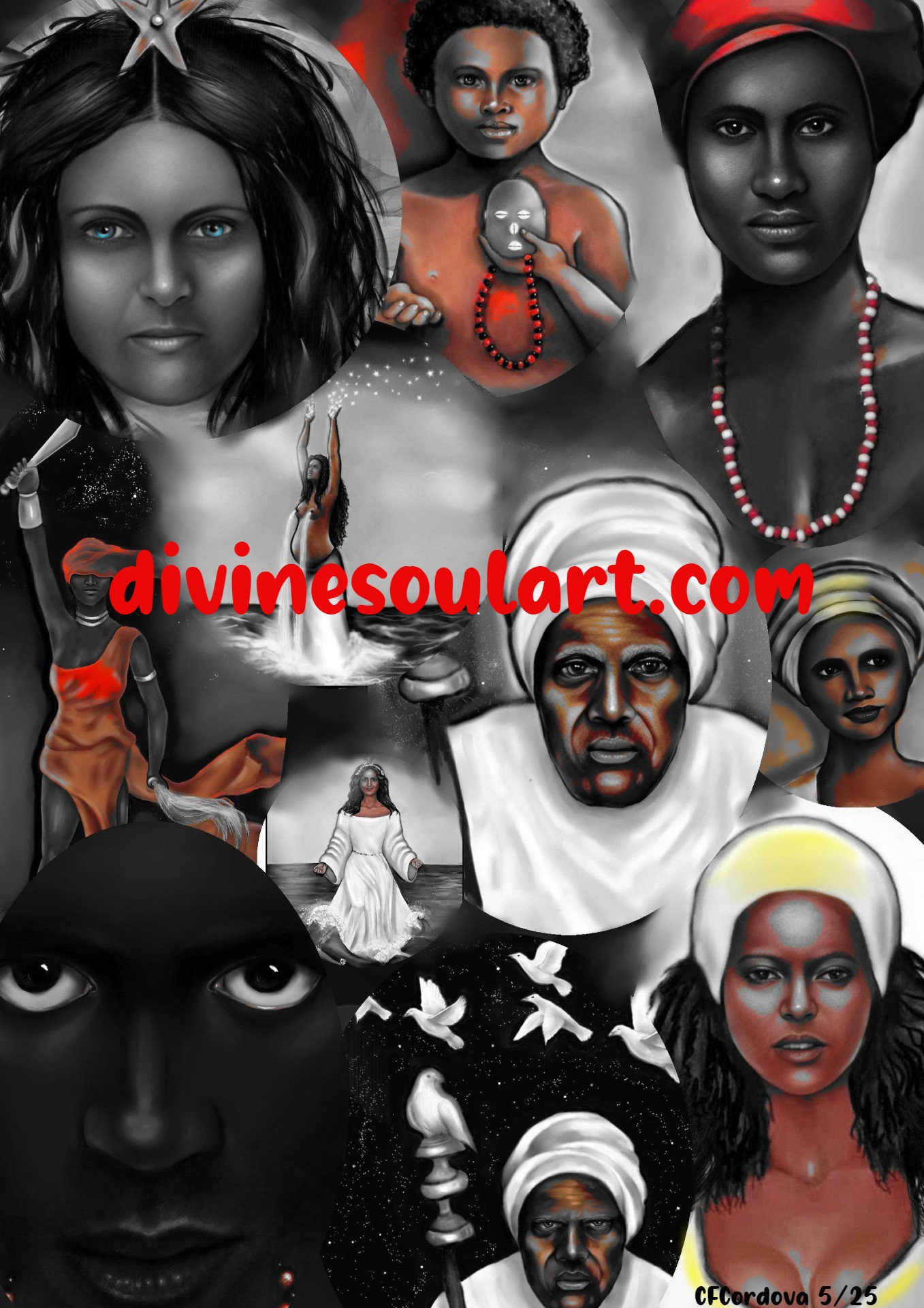
Traditional African religions offer a rich tapestry of beliefs about the afterlife, emphasizing the continuity of life and the influence of ancestors. Many of these religions incorporate a belief in a spirit world where deceased individuals continue to exist and can influence the living. This connection with one's ancestors is a central theme, with the deceased often called upon for guidance or support.
Reincarnation is another common belief, where the deceased may return to life within their family lineage, ensuring the continuity of family ties through successive generations, including one's ancestors.
These beliefs highlight the deep interconnection between the living and the dead in many African cultures.
Wiccan traditions
Wiccan traditions describe the Summerland-a resting place of peace and renewal before the soul possibly reincarnates.
Zoroastrianism
Zoroastrianism teaches that the soul lingers near the body for three days, then crosses the Chinvat bridge. Based on the person's deeds, the bridge widens (leading to paradise) or narrows to a razor's edge (leading to hell).
The Druze faith
The Druze faith (Arab esoteric religious group), for example, holds a unique view on life after death. They believe that when a person dies, their soul is immediately transferred to a new body- being reborn into another human form and continuing the cycle of life and death.
Indigenous Religions
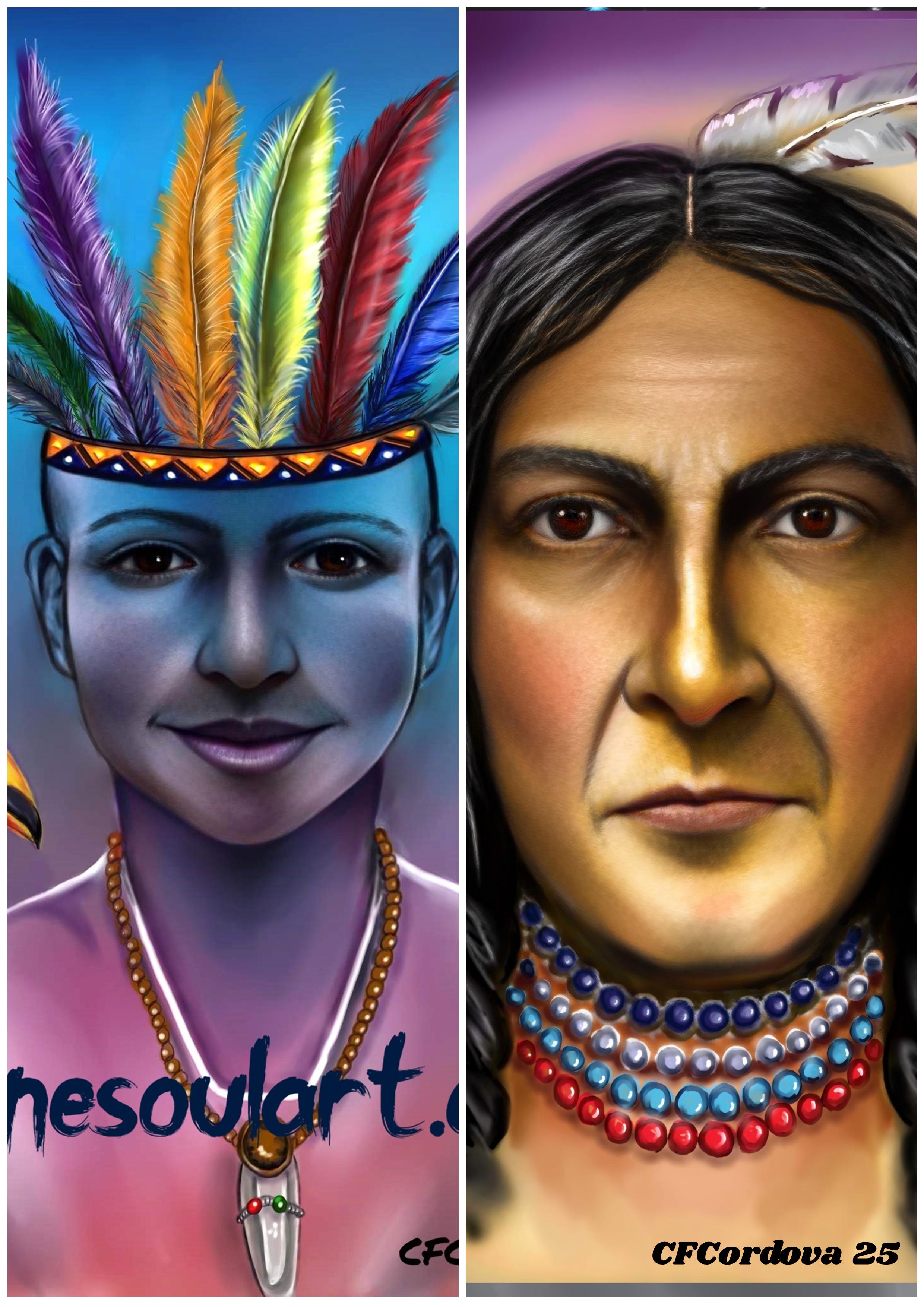
Indigenous religions often have unique afterlife beliefs, like the Happy Hunting Ground in some Native American cultures. It is an afterlife paradise where, "the souls of deceased hunters and warriors go to continue their skills and enjoy a plentiful supply of game."
Rituals and concepts related to honoring and connecting with one's ancestors are significant in many indigenous religions and many tribal societies, reflecting their beliefs about the afterlife and the ongoing relationship between the living and the deceased.
Reincarnation, Rebirth and the Physical Body
The concept of the immortal soul plays a crucial role in reincarnation and the cycle of birth and rebirth, as it is believed to persist after physical death, undergoing multiple existences and ultimately seeking liberation from this cycle. These beliefs emphasize the spirit world as a place of growth and transformation for the soul.
Some traditions, particularly within Indian religions, view life after death as a continuous cycle of rebirth, influenced by one's actions in previous lives. Reincarnation involves the soul being reborn into different bodies until it reaches liberation.
When a person dies, various religious and philosophical contexts describe the soul's journey, including immediate resting places and processes of rebirth, emphasizing the continuity of existence beyond physical death.
This idea is central to Hinduism, which describes a continuous cycle of birth, death, and rebirth known as samsara, with the ultimate goal being moksha or liberation from this cycle.
Other Indian religions such as Jainism and Sikhism also emphasize ethical living as the way to release the soul from this birth-death cycle, unlike some views in other religions.
Buddhism recognizes samsara but aims for nirvana, a state free of suffering and desire, as the ultimate goal.
Karma plays a pivotal role, where actions and intentions significantly affect future experiences, including the afterlife. Good actions and intentions generate positive karma, leading to favorable rebirths, while negative actions result in adverse karma and poorer rebirths.
Near Death Experiences
 The soul survives death / Sentient Beings
Near-death experiences (NDEs) and past life regression research offer intriguing insights into the afterlife.
Near-death experiences often provide vivid descriptions of the spirit world and profound insights into what lies beyond death. Many people have claimed to have visited heaven or a place that resembles it. One person reported feeling peace and belonging during their near-death experience, describing it as a comforting yellow glow.
For many individuals who have experienced near-death experiences, it serves as confirmation that heaven exists. Such experiences often challenge our understanding of consciousness and existence, providing a unique perspective on life after death.
In another near-death experience, a person described observing their medical emergency from a detached perspective, noting a lack of emotional response. These out-of-body experiences suggest that consciousness may persist independently from the physical body, raising intriguing questions about the nature of the soul and the afterlife.
Numerous individuals report lasting transformation: reduced death anxiety, heightened compassion, stronger spirituality, and deeper appreciation for life.
NOTE: Research into NDE includes Elisabeth Kübler-Ross's work on death and dying and Raymond Moody's Life After Life (1975) and many more.
Past Life Regression
Past life regression, a method that uses hypnosis to recover memories of past lives, further challenges traditional views of life and death. These experiences and studies suggest that personal identity and consciousness may persist beyond the material body, inviting us to reconsider the nature of existence, history, and immortality.
Click here and read more on Past Life Regression
The Role of Karma and Moral Conduct
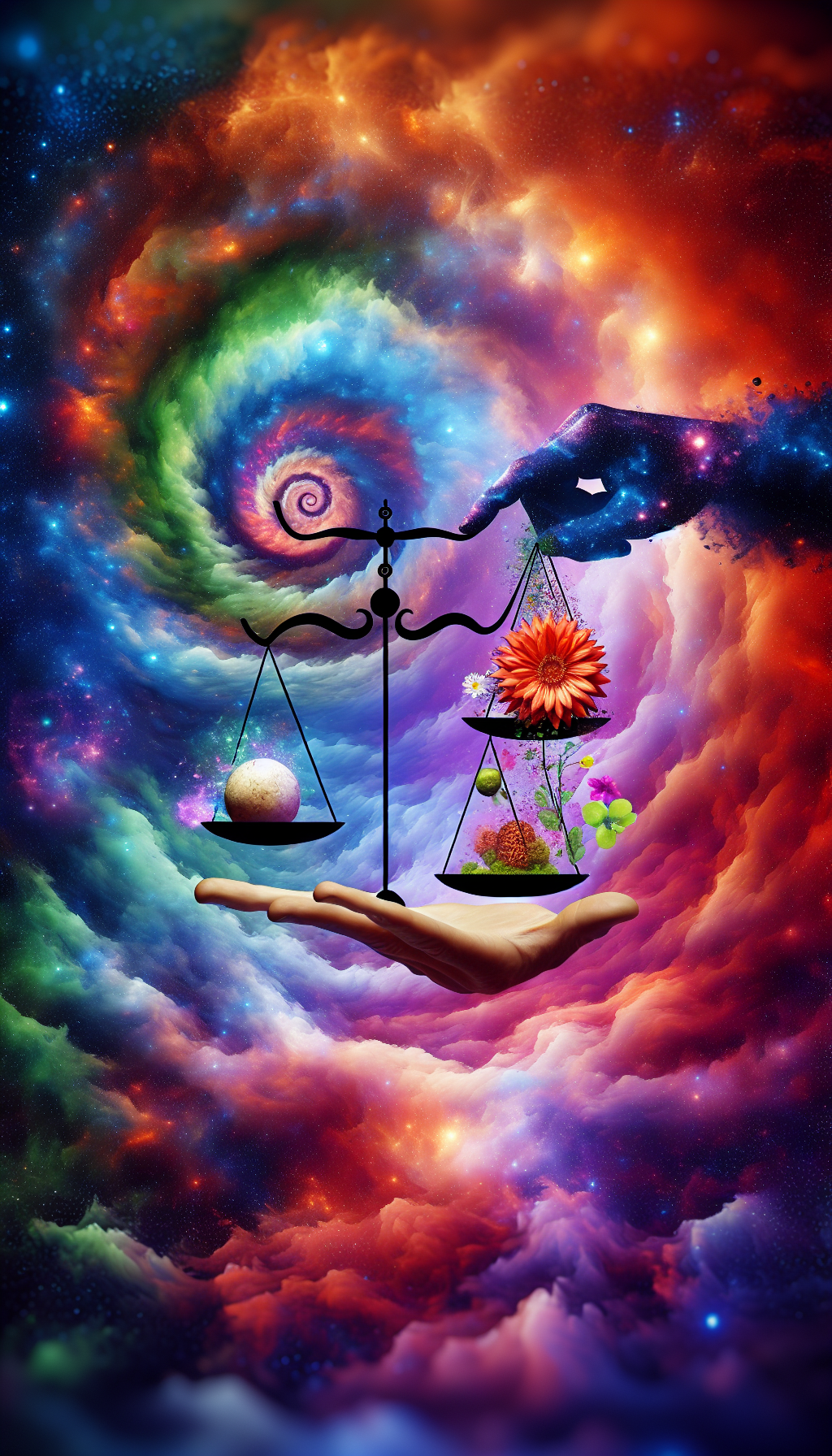 Karma- human beings' actions determine a happy or unhappy rebirth - artwork by Tai
Karma plays a pivotal role in many spiritual traditions, linking actions with afterlife consequences.
" Every rebirth, happy or unhappy, is a consequence of deeds performed in anterior existences." ( Leon Denis- After Death)
In Buddhism, karma involves both actions and the intentions behind them. Deliberate deeds carry greater weight in determining future consequences, emphasizing the importance of mindful living.
Jainism extends the principle of karma by emphasizing that thoughts can attract karmic matter, while also seeking liberation through ethical living. This means moral conduct includes mental dispositions, highlighting the impact of one's inner life on karmic destiny.
Karma operates independently of divine judgment, suggesting individuals are responsible for their actions based on natural laws.
In various spiritual traditions, karma links moral conduct with the cycle of life, death, and rebirth.
Adhering to moral conduct shapes one's karmic destiny, influencing future lives and existence in the afterlife. This interconnectedness between actions and their repercussions underscores the ethical dimensions of life after death and encourages individuals to pursue a life of goodness.
Some traditions also connect moral responsibility after death to free will and God's justice.
Soul Returns to the Spiritual Realm
When a person dies, their physical body ceases to exist, but their soul continues to live on, transitioning into the spiritual world. This process, often referred to as "crossing over," marks the beginning of a new journey. The soul, now free from the constraints of the physical world, enters a realm where it can continue to grow, learn, and evolve.
In many cultures, the afterlife is seen as a continuation after death, where the individual's soul or spirit continues to exist in a spiritual world or through reincarnation.
The form of the soul in the spirit world can vary, with some traditions depicting souls as retaining their earthly appearances, while others suggest a more fluid, spiritual form.
The concept of the spiritual world, regardless of specific beliefs, provides hope and comfort to those who are facing death or grieving the loss of a loved one. It suggests that life extends beyond the physical realm, offering the possibility of reunion with loved ones and opportunities for ongoing growth and development.
In this spiritual world, the soul is no longer bound by the limitations of time and space. It moves freely, unencumbered by the physical laws that govern its existence on Earth. Here, the soul can communicate with other spirits, forming connections and relationships that transcend the physical realm.
In the spirit world, souls may continue to interact with each other and with the living, offering guidance, protection, and support. This enduring connection between the spiritual and physical realms highlights the belief in the continuity of existence and the hope for everlasting life.
The idea of the spiritual world is closely linked to the concept of the afterlife—the belief that life continues after death in some form. This belief is a central tenet in many religious and spiritual traditions, providing comfort to those coping with death or the loss of a loved one.
Communicating with the Death
 Do not fear death -the soul lives on
Communication with the dead is a phenomenon that has been reported across various cultures and belief systems. Many people believe that it is possible to communicate with the dead through various means, such as mediumship, channeling, or near-death experiences. Such practices are often seen as ways to seek guidance, wisdom, or closure from deceased loved ones, though some groups embrace them while others forbid or regard them as controversial,
In ancient Greek tradition, the dead were believed to possess knowledge and wisdom that could be accessed through rituals and ceremonies. These practices were seen as a way to connect with the spirit world and gain insights from those who had passed on.
Similarly, in modern times, near-death experiences have been reported by many individuals who claim to have communicated with deceased loved ones or experienced a sense of peace and tranquility. These experiences often involve encounters with a bright light or a feeling of being in a serene and comforting place, suggesting a continued existence beyond physical death.
The concept of communication with the dead continues to be explored in various fields, including psychology, philosophy, and spirituality. While some view these experiences as evidence of an afterlife, others see them as psychological phenomena. Not all religious traditions approve attempts to contact the dead.
Regardless, the idea of communicating with the dead remains a fascinating and deeply meaningful topic for many people, reflecting the enduring human desire to connect with the spirit realm and understand the mysteries of life and death.
This demonstrates that the soul continues to exist even after death.
Finding Hope and Meaning in Life and Death
Beliefs about the spirit world often emphasize that death is a continuation of existence in another form. This perspective can provide hope and comfort, especially to those grieving loved ones. The law of karma, seen as an ethical guideline in various traditions, encourages living a good life and avoiding immoral actions, enhancing this sense of hope.
Believing that deceased family members are in a better place and that we will be reunited with them in the afterlife offers significant comfort. This notion helps many people cope with the pain of loss, fostering a sense of peace and continuity.
Understanding death and the afterlife can enhance hope and provide a deeper sense of purpose. It encourages us to live meaningfully, knowing that our actions have lasting consequences. As Martin Buber suggested, death can also enrich life. This perspective alleviates the fear of death and inspires us to make the most of our earthly existence.
Finding hope and meaning in life and death integrates spiritual beliefs, ethical conduct, and personal experiences. Exploring these dimensions cultivates a deeper appreciation for the mysteries of life and the promise of the afterlife, and our understanding of human existence.
There is no need to fear death.
People Want to Know
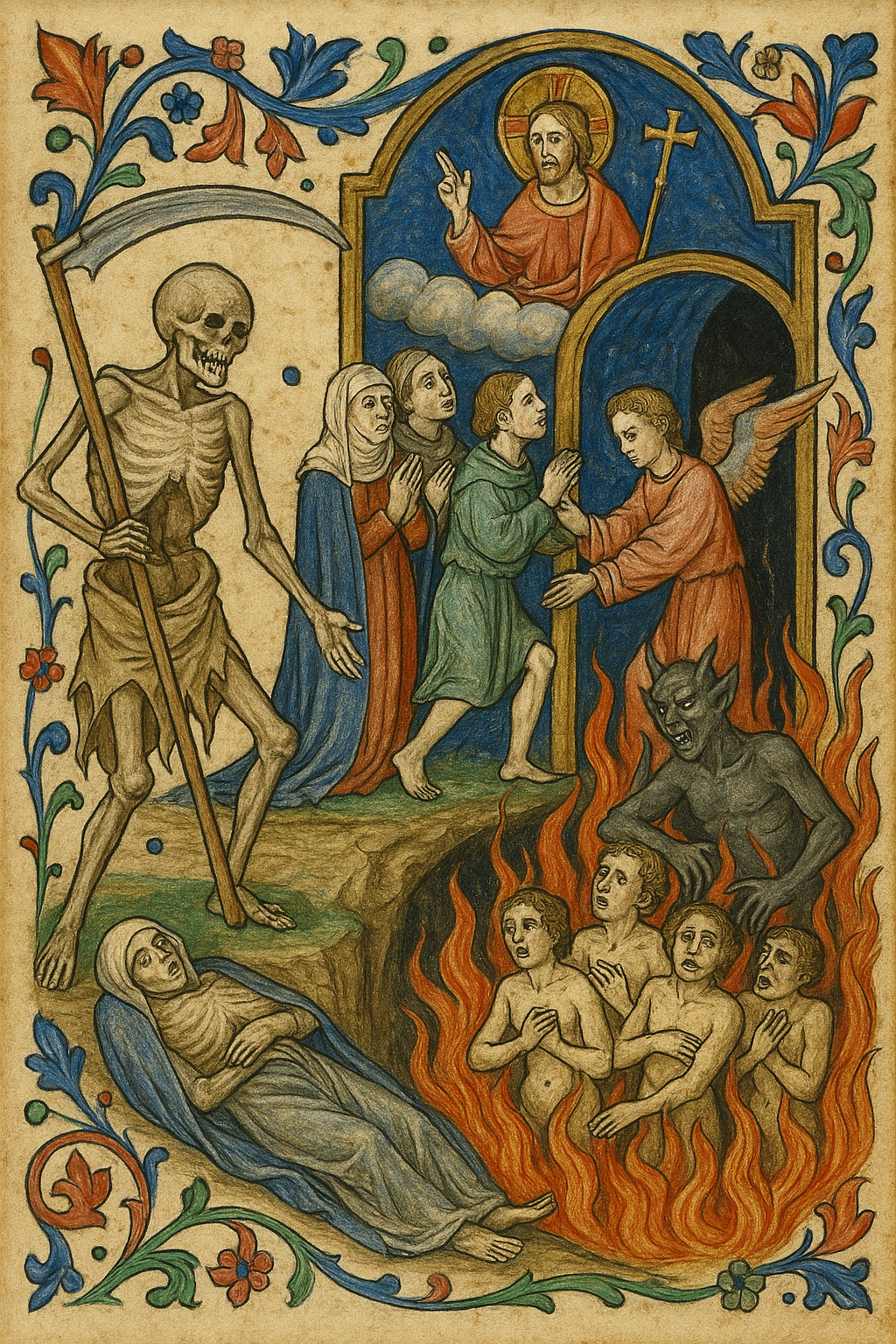 Middle Ages or Medieval period - Death and afterlife -Eternal life in Heaven or suffering in Hell
Many individuals report seeing and speaking to deceased family members before dying. Does this really happen?
-Seeing deceased family members before dying has been reported. One of my relatives told us that her mother was in the room and appeared to be speaking to her in a very low voice. Soon after that, she died.
Another case was Bernadette of Lourdes, France, who, upon her deathbed, saw the Virgin Mary.
Many religious traditions-Christian, Jewish mystical, Hindu, and indigenous-do describe spiritual guides or ancestors assisting the soul's transition.
Is it true that when the spirit leaves the body, the spirit is taken to a healing place where it can release all earthly emotions, suffering, etc.?
-Several traditions describe something resembling this. The Catholic concept of purgatory is a state of purification where the spirit is cleansed before entering heaven.
In Jewish tradition, Gehenna functions as a temporary purifying process for most spirits.
Many NDE accounts describe entering a realm of overwhelming peace, warmth, and release from pain.
Some New Age and spiritualist frameworks explicitly describe "healing stations" in the afterlife.
Whether these represent literal places, metaphorical states, or neurological phenomena depends on your worldview-but the idea of postmortem healing appears across many cultures and eras.
If there is no hell, where do people like Hitler, Mao, Bin Laden, serial killers, etc. go?
-This is one of the sharpest challenges to universalism and annihilationism. Those who reject eternal hell but affirm god's justice typically offer several responses.
Annihilationists argue that the wicked simply cease to exist-they face ultimate non-existence rather than endless torment.
Universalists suggest that even the worst offenders will eventually be purified and reconciled, though possibly after severe and prolonged consequences.
Some Jewish sources hold that the most extreme sinners face extended punishment in Gehenna or permanent destruction.
The question ultimately turns on whether you believe justice requires proportional retribution, permanent separation, or eventual redemption-and what kind of God you believe exists.
How to get over fear of what happens after death
-Death anxiety is natural and nearly universal. Strategies that help include engaging honestly with the question rather than suppressing it, exploring your own tradition's teachings with depth, and speaking openly with trusted people.
Epicureanism teaches that death cannot harm us because we will not be present to experience it.
Existentialism encourages finding meaning in the face of mortality rather than fleeing from it.
Practical steps-writing about your fears, volunteering with hospice, reading accounts from those who have faced death and found peace-can gradually reduce the intensity of the fear.
Professional support from counselors, chaplains, or grief specialists is also valuable when anxiety becomes overwhelming.
Do Starseeds reincarnate on their home planet after death?
-The Starseed concept comes from New Age and esoteric spirituality, not from established religious traditions or scientific research. It holds that certain souls originate from other star systems or dimensions and have incarnated on Earth for a specific purpose.
Within this framework, some believe that after completing their mission on earth, these souls return to their place of origin.
There is no empirical evidence for this claim. However, if the idea resonates with you spiritually, treat it as a personal belief rather than a verifiable fact, and remain open to the broader wisdom traditions that have grappled with these questions for millennia.
If the soul is free upon leaving the physical form, why do we make such great fuss over burial procedures?
This is a profound question that every tradition addresses. In Jewish religion, the body is treated with deep respect because it housed the soul and was created in the image of God. Burial rituals honor that truth.
In Christianity, the body is considered a "temple of the Holy Spirit" and will be raised at the resurrection-so its care matters.
In Egyptian religion, preserving the physical body through mummification was essential for the soul's afterlife journey.
Even in traditions that view the soul as fully liberated at death, funeral practices, burial, and mourning rituals serve the living: they provide structure for grief, affirm community bonds, and mark the passage between life and death with dignity and meaning.
Do the spirits of the deceased person visit their grave?
Beliefs vary widely. In many traditional African and East Asian religions, the spirits of the dead are thought to visit familiar places, including graves, especially when honored with offerings and prayers.
Some Jewish mystical sources suggest the soul maintains a connection to its burial place.
Christianity generally does not teach that spirits linger at graves, though Catholic and Orthodox practices of visiting graves and praying for the dead reflect a belief in ongoing spiritual connection.
From a scientific perspective, there is no verified evidence that deceased persons' spirits visit any physical location.
According to non-believers, the emotional sense of presence that many people report at gravesites may reflect psychological bonding and memory rather than literal visitation.
Is it true that a dying person's soul can appear to the living before they die?
There is a long history of such reports across cultures-sometimes called "crisis apparitions" or "deathbed visions." Family members or close friends occasionally describe seeing or sensing a dying loved one at the moment of death, even from a great distance. These accounts are documented in parapsychological literature but have not been confirmed under controlled scientific conditions.
Some interpret them as evidence that the soul can project itself at the threshold of death. Others attribute them to coincidence, grief, or heightened emotional sensitivity.
Whether you regard them as genuine spiritual phenomena or psychological events, they are remarkably common and deeply meaningful to those who experience them.
Do people who suffer from illness return to a younger and healthier spirit form after leaving their body?
Many NDE accounts describe exactly this. Individuals who were elderly or ill at the time of their near-death experience frequently report feeling young, strong, and free of pain during the experience.
Some religious traditions support this:
Christian doctrine of the resurrected body suggests a perfected, glorified form without decay or suffering.
Jewish mystical sources describe the soul shedding its earthly imperfections.
Whether this reflects the actual nature of postmortem existence or the brain's way of generating comforting imagery during crisis remains an open question.
Do children who die very young return to their original spirit form as older beings?
Some spiritual and esoteric traditions hold that the soul is ageless and that children who die young return to a mature spiritual state, since the soul's true age is not defined by the physical body's lifespan.
In Kabbalistic thought, a young child's soul may have lived many previous lives and possess deep spiritual maturity.
Christian tradition generally holds that children who die are received by God in grace, though specifics about their form in the afterlife vary by denomination. The catholic church teaches hope for the salvation of infants who die, trusting in God's mercy.
NDE reports from children sometimes describe meeting older spiritual beings or feeling themselves to be "grown up" during the experience, though these accounts are harder to study systematically.
Spiritists believe that different types of spirits inhabit separate realms beyond the physical world. Is this true?
Yes, they believe in the existence of different realms separate from the physical world, inhabited by various types of spirits. These realms are believed to host both benevolent and malevolent spirits, which can significantly interact with the physical world. This belief in the spirit world suggests a complex and dynamic afterlife where spirits continue to engage with the living.
The spirit world is viewed as a place where souls can progress on their journey, offering guidance, protection, or even causing harm. This interaction between realms adds a fascinating dimension to our understanding of the afterlife and the enduring connection between the spiritual and physical worlds.
Is there a realm called hell and a last judgment?
The concept of hell exists in various forms across different religious traditions, often depicted as a realm of punishment for the wicked.
In Christianity, hell is frequently portrayed as a fiery place of eternal torment for the damned.
The traditional view holds that this suffering is eternal conscious torment rather than annihilation into non-existence, while Islam describes Jahannam as a multi-layered realm with severe punishments for those who disobey God.
These depictions serve as powerful reminders of the consequences of one's actions, emphasizing the importance of living a righteous life.
Other traditions offer different interpretations of hell. Ancient Egyptian beliefs included a judgment process in which the soul could be annihilated rather than eternally punished.
In early sacred scriptures, the Hebrew Bible (Tanakh) or Jewish theology describes the dead as going to Sheol—a shadowy, neutral underworld where all people go regardless of their deeds.
Even in mythologies such as Celtic and Norse, hell is depicted as a cold, dark place associated with suffering.
These varied perspectives highlight the diverse ways humanity has envisioned the fate of the unrighteous after death.
Where do souls go upon death?
The destination of souls after death has intrigued the human race for centuries, with different traditions offering unique answers. In many belief systems, souls are judged by their actions in life, which determine their place in the afterlife. For instance, in ancient Egyptian belief, the soul's journey involved weighing the heart against a feather to assess its purity before entering the afterlife.
Greek mythology presents a more complex picture, with the underworld divided into several realms: Elysium for the virtuous, Tartarus for the wicked, and the Asphodel Fields for those of mixed deeds.
In Judaism, souls may enter Sheol, a shadowy realm, with differing interpretations of reward or punishment in the afterlife.
Christianity and Islam also offer varied teachings, with some beliefs stating that souls go to Heaven or Hell after judgment, while others include concepts like Purgatory or an intermediate state.
Buddhism, on the other hand, suggests a cycle of rebirth, where souls cycle through various lives based on karma until achieving enlightenment. These diverse views reflect the rich tapestry of beliefs about the afterlife.
How should I talk about death and afterlife with children or family?
Advise approaching the topic with honesty calibrated to age and emotional readiness. Listen first: ask what the child or family member already thinks happens after death and build gently from their questions and concerns rather than imposing a lecture. Draw on your own tradition-or honest uncertainty-in a hopeful but non-threatening way, emphasizing love, memory, and the ongoing impact of the person's life.
When conversations feel overwhelming, seek support from chaplains, clergy, counselors, or grief groups.
Normalize continuing talk about the deceased as part of healthy mourning-it is not morbid to remember and honor those who have died.
Are souls immediately reunited with their departed family members and friends upon death?
The idea of reuniting with departed loved ones in the afterlife is a comforting belief held by many cultures and religions. In numerous traditions, the afterlife is seen as a time for reunion, where souls meet immediately after death in a joyous manner. Near-death experiences frequently describe individuals witnessing their own deaths and seeing deceased relatives, indicating an immediate connection post-death.
However, some beliefs suggest that souls may remain earthbound for a period, especially if they have strong attachments to their family members or if their passing was sudden. The transition into the afterlife can involve an adjustment phase, where souls might initially linger near their physical bodies or loved ones before moving on.
In certain spiritual beliefs, it is thought that deceased family members actively prepare for the arrival of the soul, welcoming them warmly after their earthly existence and keeping their memories alive. These varied perspectives highlight the enduring hope for reunion and the continuation of bonds beyond death.
Upon death, why do some souls remain on the Earth realm?
-The phenomenon of earthbound spirits, or souls that remain in the physical realm after death, has received considerable attention at this point, particularly in the context of eerie chronology ventures, where many have speculated about those who have died.
Some spirits may not cross over due to:
- An incomplete understanding of their death
- Strong attachments to people or places
- Emotional ties
- Unresolved issues
- Fear of judgment regarding their afterlife
These factors can cause spirits to linger.
Accidental deaths or suicides are often cited as reasons for souls remaining trapped in the earthly realm. In some cases, spirits stay on Earth to protect loved ones or deliver important messages they feel obligated to share.
After death, is the soul allowed to reincarnate immediately?
-The concept of immediate reincarnation after death is prevalent in several religious traditions, particularly those from India. In Jainism, it is believed that reincarnation into a new body occurs immediately after death, influenced by one's karma. Buddhism typically asserts that rebirth is instantaneous, although some traditions propose an intermediate state called bardo that can last up to 49 days.
Hinduism offers a nuanced view, suggesting that the soul, known as the atman, may be reborn immediately after death, but some teachings propose that it could reside in different realms, like heaven or hell, before reincarnation.
This cyclical nature of existence, known as samsara, emphasizes the soul's journey through various lives until achieving enlightenment and liberation from the cycle of rebirth. These beliefs highlight the diversity of views on the timing and nature of reincarnation.
Summary
Whether you hold firm faith in heaven, suspect that death means complete cessation, or simply aren't sure, the question of what lies beyond the grave shapes how you understand your own life.
Ultimately, finding hope and meaning in life and death is a journey that integrates spiritual beliefs, ethical conduct, and personal experiences. By embracing these diverse perspectives, we can cultivate a deeper appreciation for the mysteries of life and the promise of the afterlife, inspiring us to live more meaningfully and with greater purpose.
Click below and view more than 600 pieces of spiritual artwork

Spiritual Books
If you enjoy the articles on this website, you will also appreciate the short stories in the books below. Click here and continue the journey.