Loss of a Loved One: Grief, Prayer, and Support
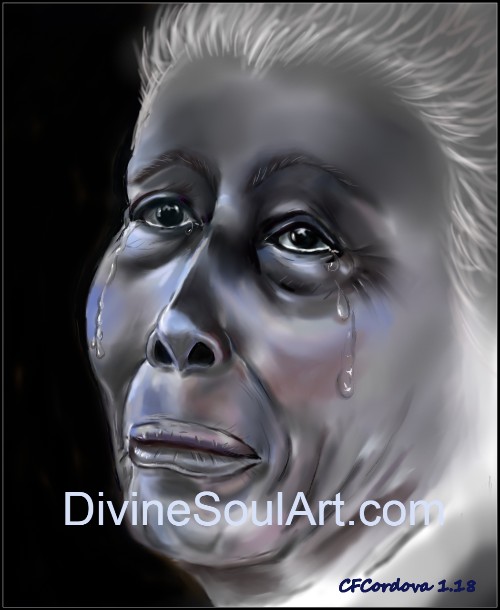 Loss of a loved one - A grieving person experiencing complicated grief
Loss of a loved one is an incredibly personal experience. It can leave you disoriented, emotionally numb, and unsure how to keep living after what happened.
Grief doesn't follow a single pattern. You may feel overwhelmed by intense emotions all at once and unsure how to cope. One moment, you might be crying uncontrollably, and the next, you could feel like a zombie—empty inside.
The pain you feel is unlike anything else you will ever encounter; it penetrates deep into your soul. It can seem as though you are trapped in a box with no exits.
Your entire world feels shattered, leaving you unsure how to piece it back together. You don't know how to resume your own life and move forward. Although you are still alive, a part of you feels as if it has died. All you want is to sleep, hoping that when you wake up, it will all have been just a bad dream. Yet, the harsh reality settles in, reminding you that the loss is painfully real and irrevocable.
This article starts from that raw reality of losing a loved one and how ancient cultures made mourning visible, communal, and supported through ritual. That contrast leads to the main point: grief is deeply personal, but no one is meant to carry it alone.
How other Ancient Cultures Dealt with Loss of a Loved One
Ancient cultures often treated the grief process as both personal and communal.
- The Ancient Egyptians: "They had such a remarkable approach to handling the grief process. When a family member passed away, families often hired professional mourners who displayed their sorrow vividly. Their passionate wailing and torn clothes created an unforgettable tribute to the deceased loved one. Additionally, families wrote heartfelt letters packed with cherished memories and whispered requests for guidance to keep their connection alive."
- Ancient Greek: "Grief was expressed publicly, with women (mothers and wives) tearing their hair and striking their chests. This loud mourning served as an emotional release and a way to honor their loved one's life."
- African traditional religion: "Weeping, singing, and dancing to express pain openly. Widows and close relatives often observe mourning periods lasting six to twelve months, characterized by specific customs such as wearing dark clothing or shaving their hair in honor of their deceased loved one."
- Indigenous tribes: "Grief should be witnessed, expressed, and supported by the community rather than faced alone. Many tribes used ritualistic wails or laments to actively release grief and shock from the physical body."
- Buddhist: "Mourners set up altars with candles, incense, and a photo of their loved ones. Gathering as a community to chant sutras helped the bereaved process their emotions together, share stories of the deceased, and prevent isolation."
NOTE: All above information was gathered from Google Search
These traditions show two important things: grief has rarely been meant to be carried alone, and different kinds of support groups matter. Also, there is no right or wrong way for a grieving person to mourn because the grieving process is different for each individual.
What Is Bereavement and Grief?
Bereavement is the period after a loved one has died. Grief is the emotional, physical, and spiritual response to that loss. A grieving person may feel shock, sadness, anger, guilt, anxiety, yearning, or even brief peace in the same day.
Grief can also affect the body. You may have difficulty sleeping, chest tightness, exhaustion, changes in appetite, or trouble remembering simple tasks. In the first weeks, paying bills, cooking, driving, or answering messages may feel overwhelming.
There is no fixed timeline. For many people, the sharpest pain softens over six to twelve months, but waves can return years later. Brief moments of normal life do not mean you loved the person less.
The Early Days and Weeks After the Death
The first hours and days can feel foggy, surreal, or dreamlike. You may replay the moment you heard the news, cry unexpectedly, or forget which calls you have already made.
Common tasks include choosing burial or cremation, contacting a funeral home, writing an obituary, planning a memorial, and notifying relatives. Accept help with meals, childcare, rides, and paperwork. The most important thing is not doing everything perfectly; it is getting through the next moment.
If, after several weeks, you feel completely frozen, unable to cry, think about the death, or resume any daily activities, it may help to talk with a professional.
Common Types of Loss and How They May Feel
Every grief process is different, but some losses bring recognizable emotional and practical challenges.
Losing a Spouse or Partner
Losing a spouse or partner can mean losing a daily companion, best friend, co-parent, financial partner, and future all at once. Funeral arrangements, paperwork, bank accounts, housing decisions, and debts may arrive within days, bringing a surmountable amount of stress.
At night, loneliness can be intense. You may wonder, “Who am I without them?" or "What am I going to do from now on?" Intense feelings of anger, guilt, fear, and grief can come unexpectedly.
If children are involved, you may also be helping them face birthdays, school routines, and hard questions about death.
Losing a Parent
The grieving process pertaining to a parent's death can feel different depending on the person's age.
Children may act out, fear another caregiver will die, or struggle in school. Adults, depending on their relationship with their parent, may express an array of emotions.
Those who have maintained close relationships with their parents may experience grief on a very deep level.
For those whose relationship was distant, abusive, or complicated, it's completely normal to experience a mix of emotions. Feelings such as relief, anger, regret, sadness, and confusion can coexist. Sharing stories, photos, and conversations with relatives may help you gain a deeper understanding of your parent's life and how it affected your relationship with them.
Losing a Child
The death of a baby, child, or young adult is often one of the most devastating losses. Parents grieve the child they knew and the life that will not unfold: the first days of school, holidays, graduations, weddings, or their future kids.
Guilt is common, even when nothing could have been done. Partners may experience the grief process differently: one may need to talk constantly, while the other becomes quiet or practical. Gentle communication and compassionate support for child or pregnancy loss can be great comfort.
Grieving the Loss of a Pet
The grieving process after a pet's death can be profound. A dog, cat, or other companion may have been part of the family for years, providing comfort during illness, loneliness, or major change.
Morning walks, feeding times, and calling their name can make the absence feel devastating. If others minimize the pain, seek out people who understand pet grief. You might consider planting a tree, keeping a collar on a shelf, or creating a photo book as a meaningful way to remember your beloved pet.
Losing a Close Friend
A close friend often holds a place in our lives similar to that of a family member. Losing such a friend can create a profound void, taking away daily interactions like texts filled with laughter, inside jokes only you two understand, and shared stories that shaped your experiences together. This best friend truly knew you, understood your struggles and victories, and their absence can leave you feeling isolated. The memories you've created together become bittersweet reminders of the connection you once had, making the grief of their passing even harder to bear.
Losing Someone to Suicide
Suicide can bring about shock, stigma, shame, and a multitude of unanswered questions, such as "Why didn't I see the signs?" or "Could I have prevented this?" These intense emotions are normal, though they can be deeply painful.
You might experience intense feelings of anger toward your loved one, guilt, or fear about what others may think. It's important to find safe spaces during this time. Reach out to support groups for those who have lost someone who has taken their own life, trauma-informed therapists, crisis hotlines, and trusted individuals who can listen without judgment are crucial resources. Not every question will have an answer, but over time, it is possible to find meaning and hope again.
Healthy Ways to Grieve and Seek Support
 Support group helping a grieving person suffering from complicated grief
There is no single right way to grieve, but isolation usually makes the grieving process harder. Stay connected with one or two trusted people, even if the talk is brief. Spending time with someone who is compassionate and understanding of your emotional pain can be very helpful.
Helpful outlets include:
- writing a letter to the deceased person
- journaling intense feelings
- making a playlist
- creating art
- asking someone to sit with you in the evening
- joining a grief group or spiritual community
Ms.S and the Loss of a Loved One
Finding Solace
Ms. S had always been extremely close to her dad. One day, unexpectedly, her father died of heart disease. Coping with her grief was challenging; she began to feel anxious and eventually sank into depression. Although her doctor prescribed medication, it did not seem to help her situation. Her older sister suggested that she join a support group. At first, Ms. S was resistant, but after receiving repeated encouragement from her sister, she agreed to attend.
To her surprise, she found others openly expressing their feelings about losing loved ones and discovering ways to move forward while still cherishing the meaningful relationships and memories of the beautiful lives they had shared.
The group consisted of individuals who understood the depth of her loss—each sharing their own stories of heartbreak and the struggle to navigate life without their beloved ones. As she listened, Ms. S felt she wasn’t alone in her grief. The group facilitated a safe space where members could talk about their feelings, share memories, and explore ways to keep their loved ones' spirits alive through cherished moments shared together.
One of the most comforting ideas that emerged from the discussions was the notion that our loved ones do not completely vanish from our lives; rather, they transition into another form. This perspective brought Ms. S solace, as it suggested that her father was still present in some way, continuing to love and guide her through the journey of life.
As the weeks went by and Ms. S continued to attend the support group, she began to feel gradual changes within herself. The heaviness in her heart started to lift, replaced by a sense of strength she hadn’t felt in a long time. The shared experiences and connections with others became a source of empowerment, allowing her to remember her father not just with sorrow but also with love and appreciation for the beautiful life they had shared. Slowly but surely, Ms. S began to reclaim her life, learning to carry her father's memory as a guiding light rather than a source of pain.
Honoring and Remembering Your Loved One
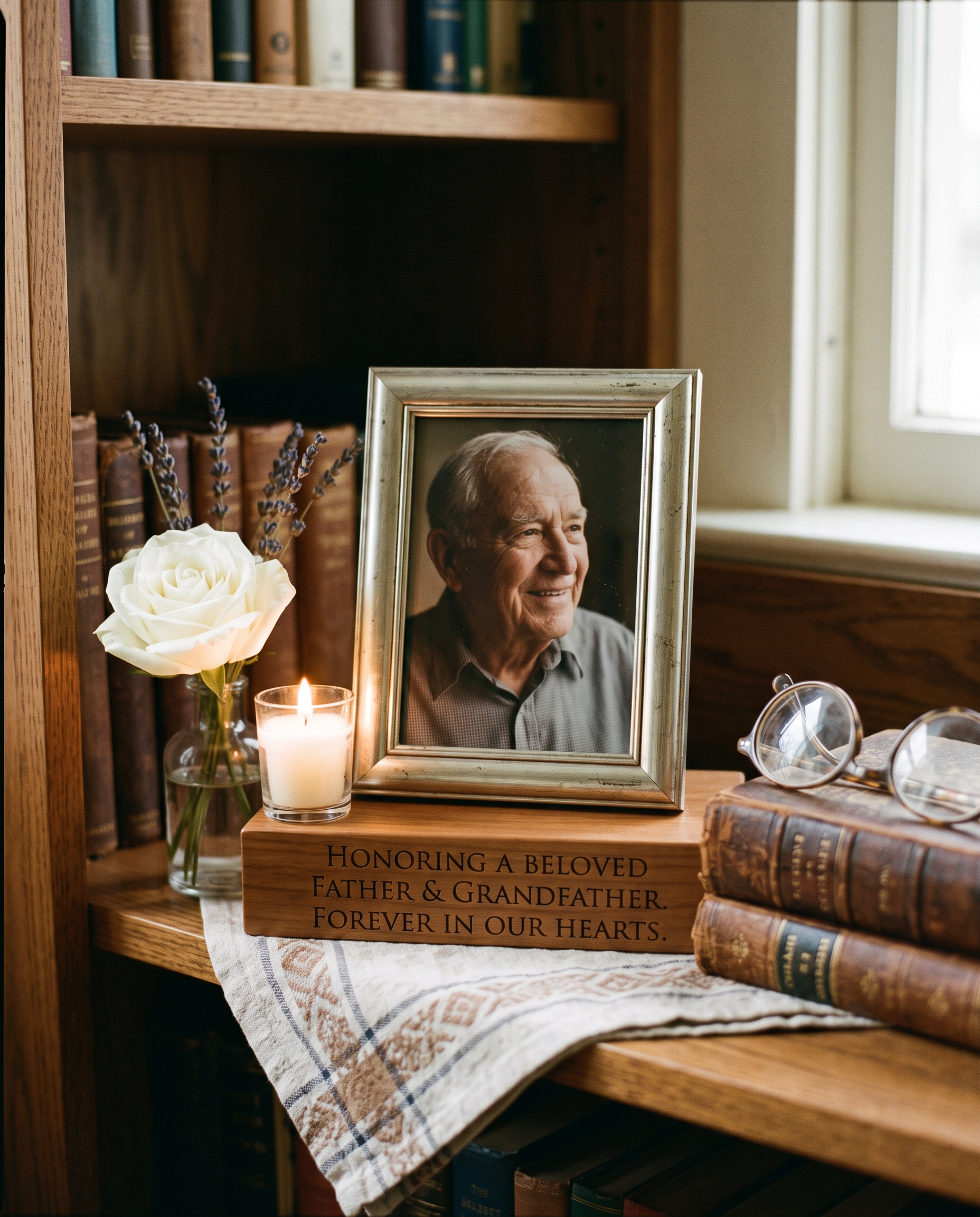 Grieving person honoring a loved one.
Honoring a loved one who has passed away plays a crucial role in integrating the experience of loss into our daily lives. Ceremonies such as funerals, memorial services, or celebrations of life provide a structured opportunity for family and friends to come together, share cherished stories about their loved one, and say their farewells. These gatherings not only pay tribute to the deceased loved one but also allow family and friends to express their grief and support one another.
In addition to formal ceremonies, you can create personal rituals that focus on remembrance and connection. For instance, consider preparing their favorite meal and enjoying it with family or friends as a way to celebrate their life. Visiting a place that held special significance for them can evoke fond memories and provide a sense of closeness. Lighting a candle in their honor can be a calming ritual that helps you reflect on and feel their presence.
Another meaningful gesture is organizing a charity fundraiser on what would have been their birthday, channeling your grief into a cause that your loved one cared about. Additionally, keeping a special object that belonged to them nearby can serve as a daily reminder of your shared experiences and the love you shared.
Remember that acknowledging and remembering your loved one does not impede the healing process. Instead, these practices can deepen your understanding of your emotions and help you navigate grief with greater comfort and resilience.
Caring for Yourself While You Grieve
Your well-being is very important. Grief affects you physically. It can drain your energy, disrupt your sleep, weaken your immunity, and lead to health problems if left unaddressed.
Focus on basics: small meals, water, a loose sleep routine, and medical care for depression symptoms. Short walks, stretching, or 10 minutes of breathing exercises outside can help regulate emotions. Be careful with alcohol, sedatives, or drugs; they may numb pain briefly but worsen sadness and sleep over time.
Gradually return to grounding activities: reading, gardening, crafts, religious practice, or quiet time with a supportive family member.
Always remember that the days ahead will get better.
When Grief Feels Stuck or Overwhelming
 Grieving Person - Experiencing complicated grief - Seek professional help when it becomes intense and prolonged.
Acute grief is expected, but complicated grief may need extra care. Warning signs include relentless yearning, inability to accept the death after many months, severe trouble functioning, or avoiding every reminder of the person.
Research estimates that roughly 9.8% of bereaved people experience pathological or complicated grief, though rates vary by culture, type of death, and support. Major depression can also appear with grief, especially when hopelessness, numbness, or thoughts of not wanting to live persist.
If you experience deep depression and feel unsafe, seek professional help immediately. Contact emergency services, a grief counselor, a crisis line, a doctor, or a mental health professional. Being strong is not more important than staying alive.
Grief, Trauma, and Sudden Loss
Accidents, violence, medical emergencies, and disasters can add trauma to grief. You may have nightmares, intrusive images, panic, avoidance, or feel constantly on edge.
Trauma-focused therapy, including EMDR or other evidence-based approaches, may help. Reducing trauma symptoms can make room for more natural grieving. Do not compare your reaction to someone else's; each nervous system has its own history.
Finding Professional and Community Support
Support can help in the first week or years later. Options include a grief therapist, trauma counselors, hospice social workers, bereavement groups, pastoral care, and trained faith leaders.
A first session usually involves sharing what happened, describing symptoms, and setting goals. Some patients worry they will be judged, but good grief care is not about judging the grieving person. It is about helping you carry pain without being destroyed by it.
People Want to Know
 People offer support to those who have lost a loved one.
1-Why do some cultures dress in black and others in white during the death of a loved one?
Colors carry cultural meaning. In many Western traditions, black represents mourning and solemn respect. In some Asian and other traditions, white can symbolize purity, transition, or spiritual release. Neither is more correct; clothing is one way communities express grief and honor.
2-For those who believe in life after death and the soul going to a better place, why do they cry uncontrollably?
Faith may bring peace, but it does not remove separation. People cry because they miss the loved one's voice, body, routines, and presence in daily life. Spiritual hope and deep sadness can exist together.
3-What to do to avoid guilt feelings?
You may not be able to avoid guilt completely, but you can respond to it gently. Write down what you feel responsible for, then ask what was truly within your control. If guilt becomes overwhelming, talk with a counselor, especially after sudden death, suicide, or medical trauma.
4-How long does the grieving process usually last after the loss of a loved one?
There is no official end date. Many people feel the most intense pain ease within 6–12 months, but waves may return around anniversaries, holidays, and family events. Seek support if you feel stuck in relentless anguish after a year or if you experience a roller coaster of emotions that increases rather than decreases.
Remember, there is no set timeframe to experience grief.
5-What can I do about family conflict after a death?
Conflict often appears around belongings, money, funeral choices, or traditions. Choose calmer times to talk, focus on shared love, and use neutral help such as mediators, lawyers, clergy, or family therapists when needed. Protecting your emotional safety is allowed.
6-How do I say goodbye to someone who has died unexpectedly?
Sudden death can leave you unprepared. The last thing you said may replay in your mind. Try to remember that one moment does not define your loved one's whole life. Love is held in patterns, care, stories, and memory.
Saying goodbye can happen through prayer, silence, a funeral, a candle, or a private ritual later.
7-What do you say to someone in their last hours?
Simple words can be enough: “I love you,” “Thank you,” “I'm here,” "You are not alone,” or “It's okay to rest now.” When words fail, holding a hand can provide comfort. Just being present can offer solace when words cannot.
Prayers
 Prayer -Offer Support for those who are experiencing the loss of a loved one.
LOSS OF LOVED ONE
GRIEVING PRAYER FOR COMFORT AND STRENGTH
(taken from connectusfund.org)
Lord of unfailing love, I need You to help me deal with the loss of my loved one. Your word says blessed are those who mourn, for they shall be comforted. The depth of my pain seems too profound to heal, and the loss of my loved one is too life-altering to comfort. But there is that word. BUT with You all things are possible. Therein lies my hope, Your ability to comfort and ease my pain as a loving and personal Savior. I am trusting in You to comfort me in my sadness. Breakthrough the darkness in my soul and bring Your light and warmth. Amen.
PRAYERS FOR THE DEPARTED
(taken from the gospel according to allan kardec)
 Loved one - Meaningful relationships that keep moving forward.
PRAYER 1
Almighty God, may Your mercy be shown to the soul of X . . . whom You have just called back from Earth. We beg and implore that the trials suffered here may be counted in their favour and that our prayers may soften and shorten the penalties still to be suffered in the Spirit form!
Good Spirits who came to fetch this soul, and most especially their Guardian Angel, help them to free themself from matter. Give them light and a consciousness of themself so that they may quickly leave the state of perturbation inherent in the passing from the body back to the spiritual life. Inspire in their Spirit repentance for all errors and faults committed and a desire to obtain permission to remedy them so as to quicken their advancement in the direction of the life of those who are eternally blessed.
And you, ... ., who have just entered into the World of the Spirits, we wish to say that despite this fact, you are still with us; you hear and see us, since you have merely left the perishable physical body, which will quickly be reduced to dust.
You have left the gross envelope which is subject to vicissitudes and death, now retaining only your etheric body which is imperishable and inaccessible to material suffering. If you no longer live through a physical body, you live instead through your Spirit, and the spiritual life is free from those miseries which afflict humanity.
You no longer have over your eyes the veil which hides the splendors of the future existence from us. Now you may contemplate new marvels while we remain bathed in darkness.
You may travel through space and visit the worlds in all liberty while we still painfully drag ourselves about here on Earth, prisoner in our material bodies, which are like heavy armor.
The infinite horizons stretch themselves before you, and on seeing their grandeur, you will understand the vanity of terrestrial desires, of worldly aspirations, and the futility of the so-called joys to which Man delivers himself.
For Man, death is nothing more than a separation from matter, lasting but a few instants. From this place of exile in which we continue to live according to the Will of God, and with the duties we still have to fulfill in this world, we will continue to follow you in thought till the moment when it is permitted for us to join you once again, just as now you are reunited with those who preceded you.
We cannot go to where you are, but you may come here. So come then to those who love you and whom you love; help them in the trials of life; watch over those who are dear to you; protect them as much as you are able; lessen the bitterness of absence by suggesting to them the thought that now you are happier and that one day, for certain, you will again be reunited in a better world.
In the place you are now, you must extinguish all earthly resentments. You must hold yourself inaccessible to them now, for the sake of your future happiness! Therefore forgive all those who may have incurred debts towards you, just as those against whom mistakes were committed now forgive you
PRAYER 2
O Lord, may You see fit to receive this prayer in the name of _____ favorably. Help them perceive the divine lights that will make their pathway to eternal happiness easier. Permit the good Spirits to take them my words and thoughts.
You who were so dear to me in this world, listen to my voice which calls to offer my pledge of affection anew. God allowed you to be liberated before me, and I cannot complain about this without being selfish because this would be equal to a wish that you be still subject to the sufferings of life. So wait with resignation for the moment of our reunion in this happier world, where you have arrived before me.
I know that this separation is only temporary and that however long it may appear to be, its duration is nothing compared to the blessed eternity which God has promised to His chosen ones. May His goodness preserve me from doing whatever it might be that could delay this longed for moment, so that I may be saved from the pain of not encountering you when I leave my earthly captivity.
Oh, how sweet and consoling is the certainty that there is nothing between us but a material veil which hides you from my sight! That you can even be here at my side, hear me speak as of old, or perhaps even better than then; to know that you do not forget me as I do not forget you; that our thoughts are constantly intermingling and that your thoughts accompany me and uphold me.
May the peace of the Lord be with you.
Related Link
Click below and views more than 600 pieces of spiritual artwork

Spiritual Books
If you enjoy the articles on this website, you will also appreciate the short stories in the books below. Click here and continue the journey.