Spirit in Art:
Meanings, Symbolism, Styles, and Examples
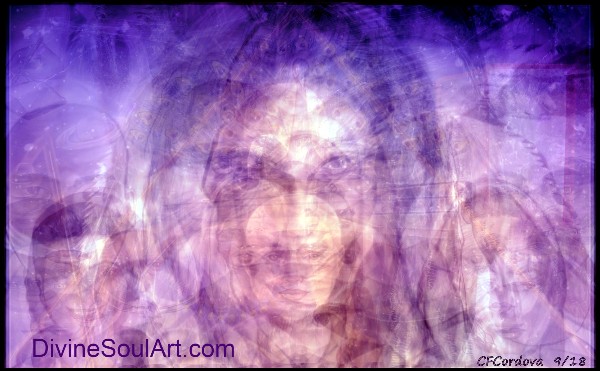
Spirit in Art focuses on spirit art as mediumship, spirit portraits, automatic drawing, symbolism, and lived artistic practice.
Jump to: My Experience | History | Precipitated Paintings | Spirit Portraits | Psychic Art vs. Spirit Art | Symbolism | Gallery
Spirt in Art
Spirit in art refers to creative work that reaches beyond aesthetics to explore the soul, unseen energies, and contact with the spiritual realm. In practice, that can mean mediumistic art such as spirit portraits and automatic drawing, or broader spiritual art focused on transcendence. This article explains the difference, traces the tradition, and grounds it in lived experience.
Spirit in art begins where ordinary technique stops: in the attempt to turn unseen guidance, presence, or energy into something visible. This article moves past vague spiritual language and shows how that works in practice, from spirit portraits and automatic drawing to the difference between spirit art and psychic art. It also traces the tradition from nineteenth-century Spiritualism to modern mediums. Along the way, it connects the broader idea of sacred creativity to one artist's lived experience of receiving and following those visions.
My Experience with Spirit Art
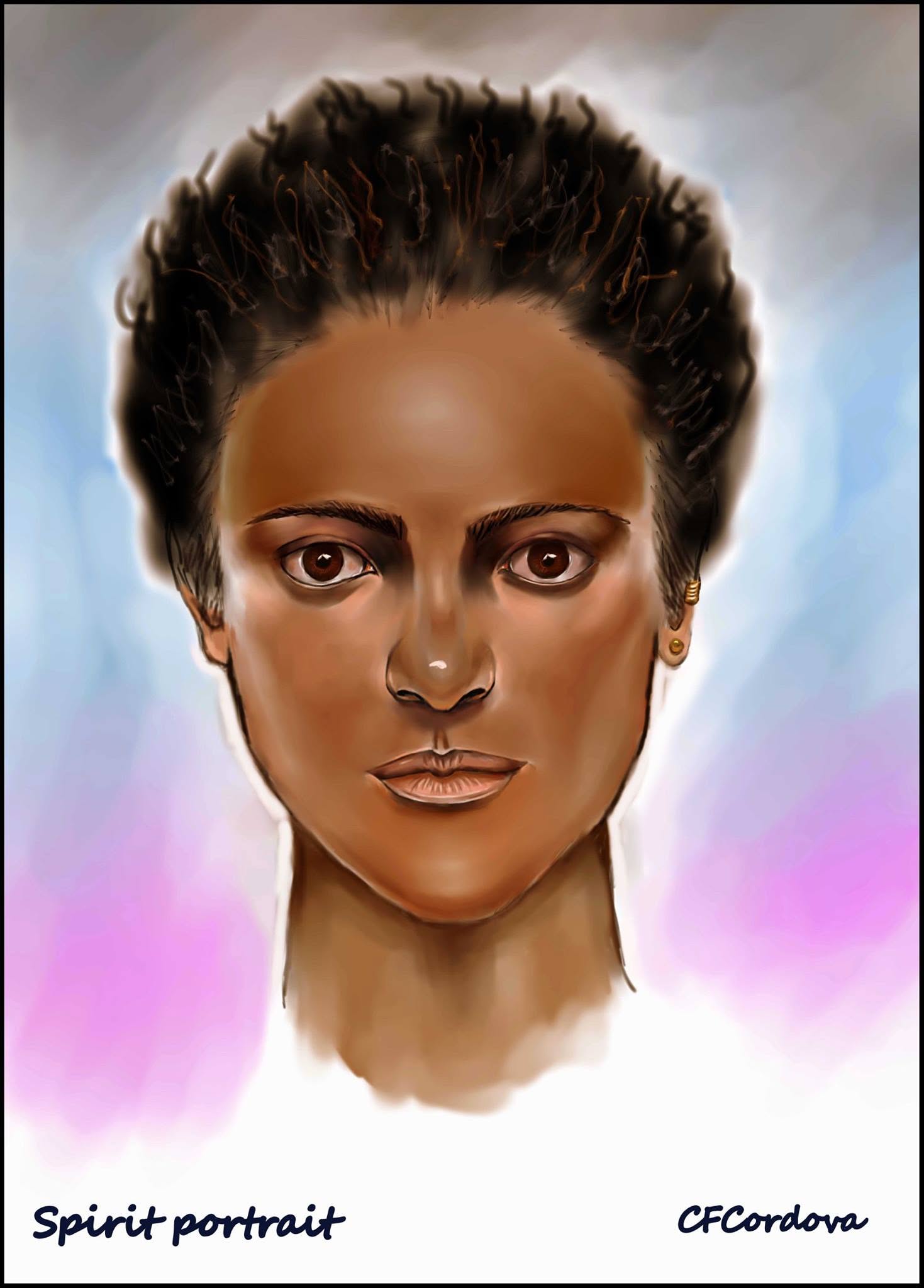 spiritual art
As a developing medium, my journey is a never-ending exploration of the unseen. Over the years, my ability to create spirit artwork has steadily evolved. While I cannot pinpoint the exact moment my journey began, I know I unexpectedly started drawing and painting spirit energy one day. This inspired me to embrace the continuous learning that comes with developing this unique ability.
My spiritual creativity has always been guided by spirits who provide me with profound visions for each piece I create. Interestingly, they reveal the artwork's full essence and outcome only at the very end, leaving room for surprise. This often results in a final piece that resonates deeply with my spirit or that of the person for whom the painting is intended.
Engaging in spirit art has profoundly enriched my spiritual journey, allowing me to explore the depths of my creativity while deepening my connection with the divine. Through this artistic expression, I have found a way to communicate with God and His/Her spiritual messengers, gaining insights and guidance. This ongoing process has become an essential part of my life, fostering purpose and deepening my understanding of the sacred forces that surround us.
Click here to view My Images of Spirit Guides.
Spirit Art and the Spirit World
Spirit art is a form of mediumship in which a spirit artist connects with energies from the unseen world to produce drawings, paintings, or symbolic images. Spirit portraits provide evidential communication from the spirit world - a medium sketches a likeness of a deceased person, often including details unknown to the sitter, as an attempt to demonstrate survival after death. Spirit art can take various forms, including drawing and painting, and it is not limited to portraiture; symbolic compositions and abstract forms also fall under this umbrella.
Psychic art, by contrast, draws on intuitive awareness of a living person's energy, emotions, or potential futures rather than claimed contact with the deceased. Both practices share tools such as color symbolism and automatic drawing, yet their sources differ.
"Psychic art connects with a person's energy, aura, or life path, while spirit art utilizes mediumship to depict specific deceased entities or spirit guides from the spirit world." (Google)
These practices gained momentum during the Spiritualist movement that swept the United States and Britain from the 1840s onward. After the Fox sisters' famous séances in Hydesville, New York, in 1848, public fascination with mediumship exploded. By the 1860s and 1870s, spirit artists were producing evidential portraits and precipitated paintings in darkened parlors across two continents.
From the historic streets of Lily Dale to modern practitioners worldwide, spirit art continues to fascinate those interested in exploring the boundaries between the physical and spiritual realms.
NOTE: No art school is required. Inspiration and lessons come from the Divine.
Spiritualism and the Rise of Spirit Art in the 19th Century
Spirit art, also known as mediumistic art, involves creating artworks under the influence of spiritual entities.
It is also a unique form of artistic expression that seeks to do more than simply please the eyes; it aims to touch the soul. The images and color choices in spirit art are thought to be guided by spiritual entities, making each piece a distinct blend of the artist's skill and spiritual influence.
In the mid-nineteenth century, Spiritualism transformed from a parlor curiosity into a mass movement. Table-turning séances, trance speaking, and public demonstrations attracted millions of followers in the US and UK. Within this ferment, distinct spirit art practices emerged: mediums sketching spirits present during séances, evidential portraits offered to sitters as proof of survival, and automatic drawing as a way for spirits to "use" the artist's hand.
These séances were not just gatherings; they offered a profound experience in which the boundaries between the physical and spiritual worlds seemed to dissolve. Mediums would channel the energies of Spirits to create paintings that captured the essence of another realm.
Key centers like Lily Dale, New York - founded in 1879 as a Spiritualist camp - became hubs where spirit artists demonstrated their ability before audiences hungry for contact with the deceased. Lily Dale is also a place with a huge collection of precipitated spirit paintings.
Precipitated Paintings and Spirit Portraits
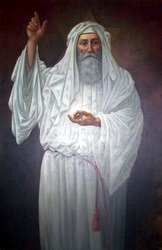
Among the most dramatic claims of spirit art were precipitated paintings - images said to appear on canvas without human touch, typically during dimly lit séances in the late 1800s. Believers saw these as direct evidence from the spirit world; skeptics saw stagecraft.
The Bangs Sisters - Elizabeth (b. 1859) and Mary (b. 1862) - became famous around 1894 for spirit portraits that allegedly materialized on blank canvases in Chicago and at Lily Dale. Their works were noted for smooth surfaces without visible brushstrokes and a characteristic absence of eyelashes. Sitters often reported recognizing deceased relatives in the images, strengthening the claim that these were evidential likenesses rather than generic faces.
The Campbell Brothers - Allan B. Campbell (1833–1919) and Charles Shourds (1863–1926) - operated from Lily Dale and produced spirit portraits in both pastel and oil. Their painting "Azur," purportedly depicting Campbell's spirit guide, was created on June 15, 1898, in roughly ninety minutes before six witnesses. They attributed the process to "etheric dust" deposited by spirits.
Skeptics attribute these paintings to conventional techniques combined with misdirection or self-deception. Believers cite witness accounts and the difficulty of replicating the reported phenomena through normal means.
Regardless of one's position on authenticity, precipitated paintings remain fascinating artifacts of spiritualist culture and continue to draw visitors to Lily Dale who are interested in examining these unusual works.
Click here to read more on Precipitated Spirit Painting
Spirit Portraits
Spirit portraits are among the most recognizable forms of spirit art. In this practice, a medium creates a portrait of a deceased person, often someone connected to a client or sitter present during the session.
The process typically unfolds in specific stages:
- Preparation - The medium enters a receptive state through meditation or prayer
- Connection - The artist claims to establish contact with a spirit wishing to communicate
- Reception - Visual impressions begin forming in the medium's mind
- Creation - The portrait emerges on paper or canvas
- Validation - The recipient confirms or denies recognition of the depicted individual
What makes spirit portraits remarkable to believers is the claim that the medium works without any prior knowledge of the deceased person's appearance. When recipients recognize the portrait as depicting someone they knew, practitioners consider this evidence of genuine spirit communication.
This art form has developed over generations, with teachers passing techniques to students in both formal settings and informal mentorships. Some practitioners work quickly, producing sketches in minutes, while others spend hours creating detailed paintings.
NOTE: Spirit Portraits can depict a person's spirit guide.
The Spiritual Medium and the Spirit World
Spirit art revolves around the spiritual medium, who acts as a bridge between the physical and spiritual realms. By interpreting messages from spirits, these mediums transform them into beautiful artworks. These mediums serve as vessels for spiritual communication.
Entering the receptive state involves quieting the conscious mind through various techniques. Some mediums describe a shift in awareness, as if stepping aside to let another presence work through them. This state differs from ordinary consciousness but typically doesn't involve complete unconsciousness.
Receiving impressions might include:
- Visual images appearing in the mind's eye
- Physical sensations guiding hand movements
- Emotional information about the spirit communicating
- Auditory impressions of names or messages
These methods can be seen as a collaboration between the medium and the spirit, producing artworks rich in symbolism and spiritual significance.
To create truly remarkable artistic works, mediums must cultivate deep faith and trust in the spiritual guidance they receive. This unwavering belief allows them to tap into a realm of inspiration that transcends the ordinary, enabling them to channel profound messages and emotions through their art. By embracing this connection, they unlock the potential to produce extraordinary works that resonate deeply with both themselves and their audience, reflecting the richness of the spiritual insights they are privileged to access.
Like any discipline, spirit art mediumship develops through consistent effort and dedicated practice.
Psychic Art vs. Spirit Art in Mediumship
Within mediumship, psychic art and spirit art serve different purposes despite sharing many techniques. A psychic artist reads the living energy of a sitter - their aura, emotions, or potential futures - to create personality portraits, auragraphs, or symbolic guidance images. A spirit artist, by contrast, claims to receive impressions from deceased individuals in the spirit world, producing evidential likenesses and memories as proof of survival.
Imagine two sittings side by side. In the first, a psychic artist sketches symbolic imagery for a living sitter: a winding path indicating a journey ahead, green tones suggesting healing. In the second, a spirit artist draws a face, names it, and references a memory the sitter recognizes as belonging to a deceased grandmother. Both use color symbolism, abstract forms, and intuitive perception, yet one addresses the present and future of the living, while the other reaches into the spirit world for evidential communication. Modern spirit artists who demonstrate in Spiritualist churches across the UK and online events often blend portrait drawing with mediumistic messages, making the boundary between these practices fluid rather than rigid.
Automatic Drawing
Automatic drawing involves balancing letting go with staying open to creativity. This balance relies on the artist's ability to embrace spontaneity. Typically, artists begin without a plan, allowing their hands to move freely across the canvas. This process is often guided by spontaneity until the final moments of creation.
In Spiritualist circles, mediums believed spirits guided their hands. In the art studio, the technique became a gateway to abstract art and the unconscious mind.
If you want to try a simple automatic drawing exercise yourself, find a quiet space, set a gentle intention - perhaps for insight or healing - and let your hand wander across a blank page without planning or judging the marks. Afterward, reflect on what shapes, feelings, or images emerged. This practice is a form of creative meditation that requires no special belief, only openness.
Portraying Spirits: Auragraphs, Symbolism, and the Inner Life
Beyond portraits and abstract compositions, spirit artists use rich symbolic systems to portray the inner life. Auragraphs - a term coined by British medium Harold Sharp (1890–1980) - are visual maps of a person's past, present, and possible future, rendered through color, spatial arrangement, animals, and nature motifs. These works are less about physical likeness and more about the sitter's soul story.
Color symbolism plays a central role: blue for spirituality, green for healing, gold for higher wisdom. Light symbolizes divine presence or spiritual awakening in many cultures, and light and dark symbolize spiritual enlightenment and struggle in art.
Geometric patterns express harmony, balance, and cosmic order in spiritual art, while the circle commonly suggests eternity and interconnectedness.
Mandalas represent the universe in Hindu and Buddhist traditions, and similar circular forms appear in auragraphs and intuitive art worldwide.
Water often symbolizes purification, renewal, and transformation in spiritual contexts - a medium might draw water imagery at the base of an auragraph to indicate emotional renewal.
Trees symbolize growth, life, and the connection between earthly and spiritual realms, and they often appear as central motifs.
Spatial positioning matters too: left for the past, right for the future, upper areas for spirit, lower for grounded life.
These symbolic practices extend well beyond Spiritualism. Mandala painting in Tibetan Buddhism, contemporary intuitive abstract painting, and even personal visual journaling all draw on the same impulse to express a deeper sense of self through imagery rather than words.
Spirit Guide Drawings
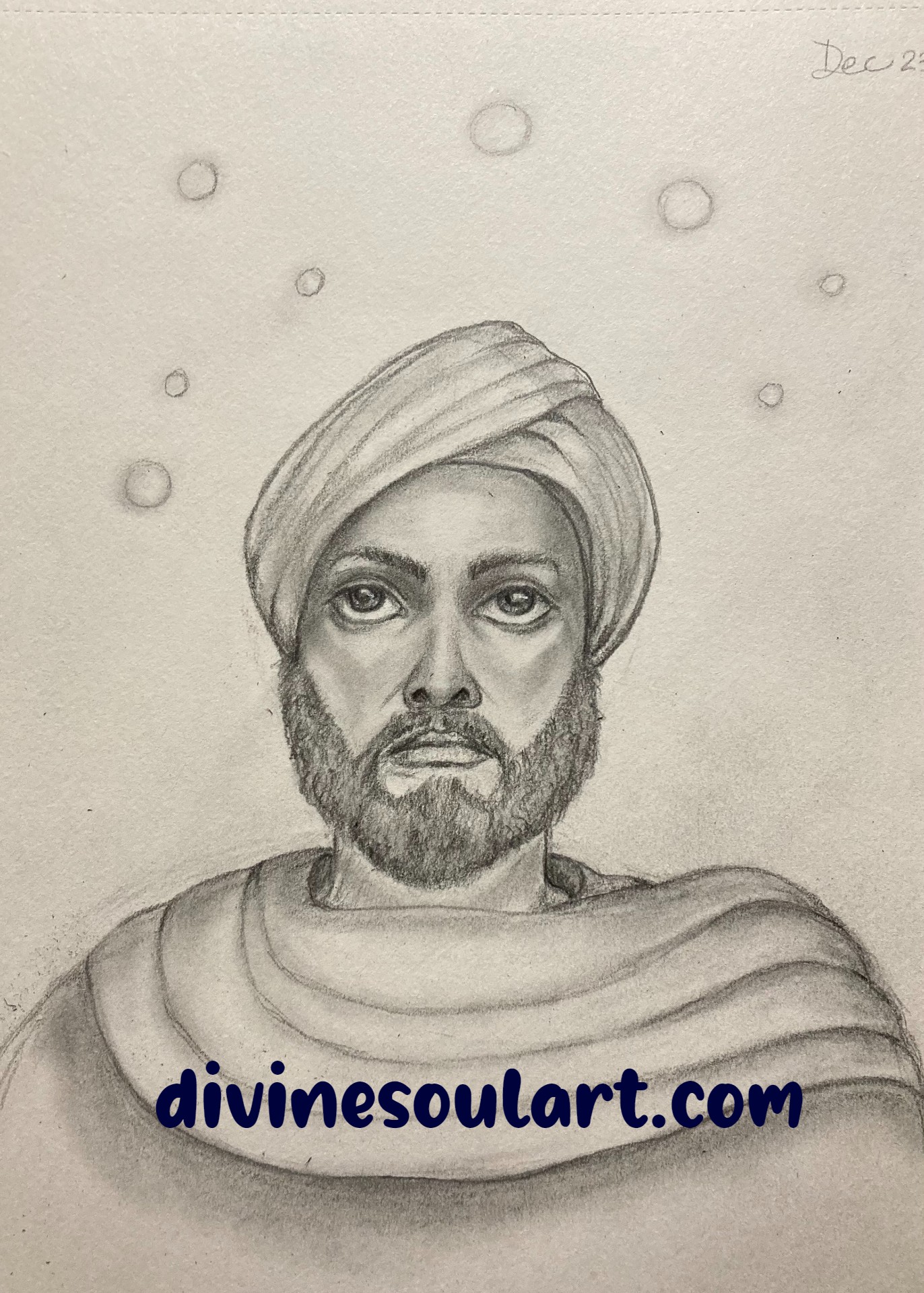
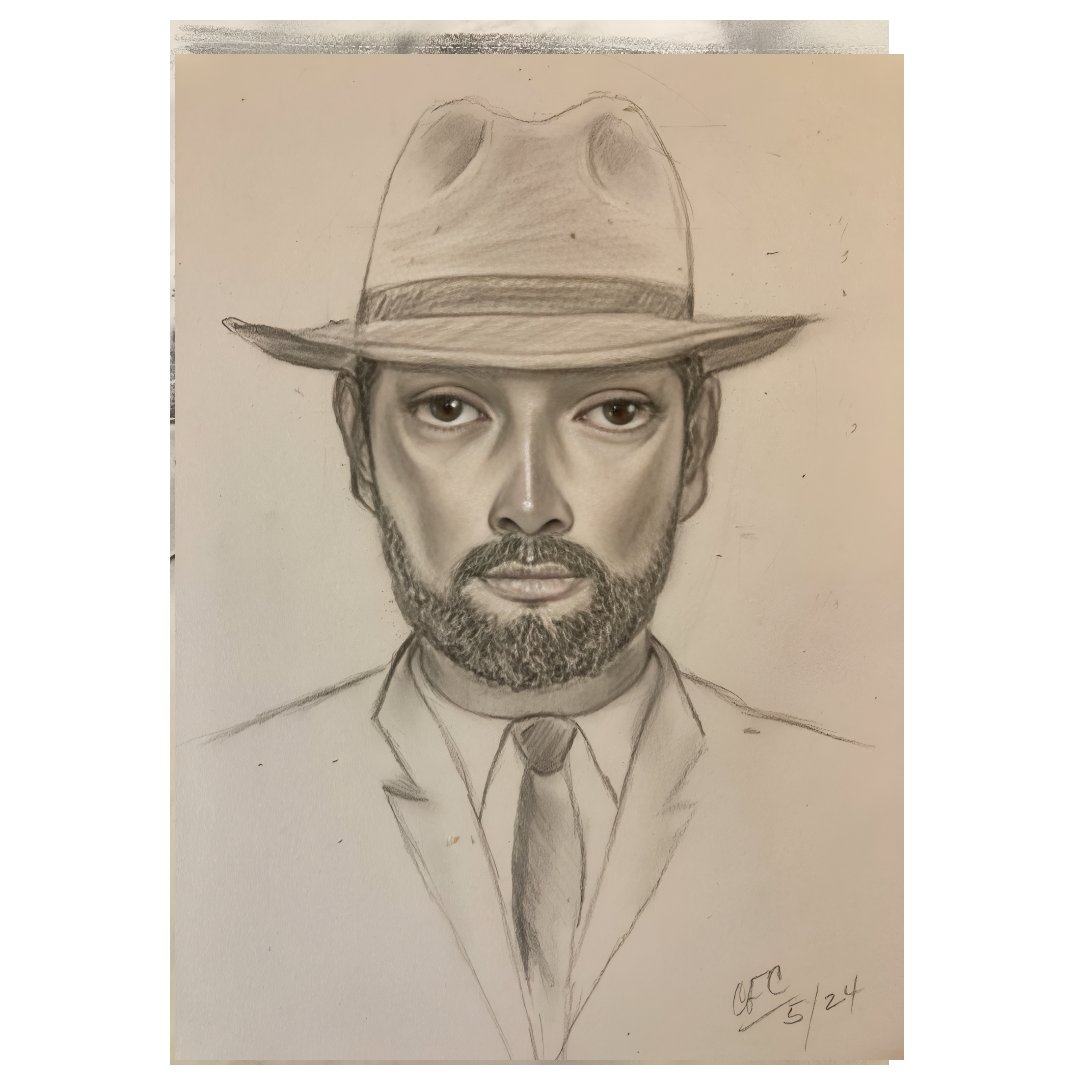
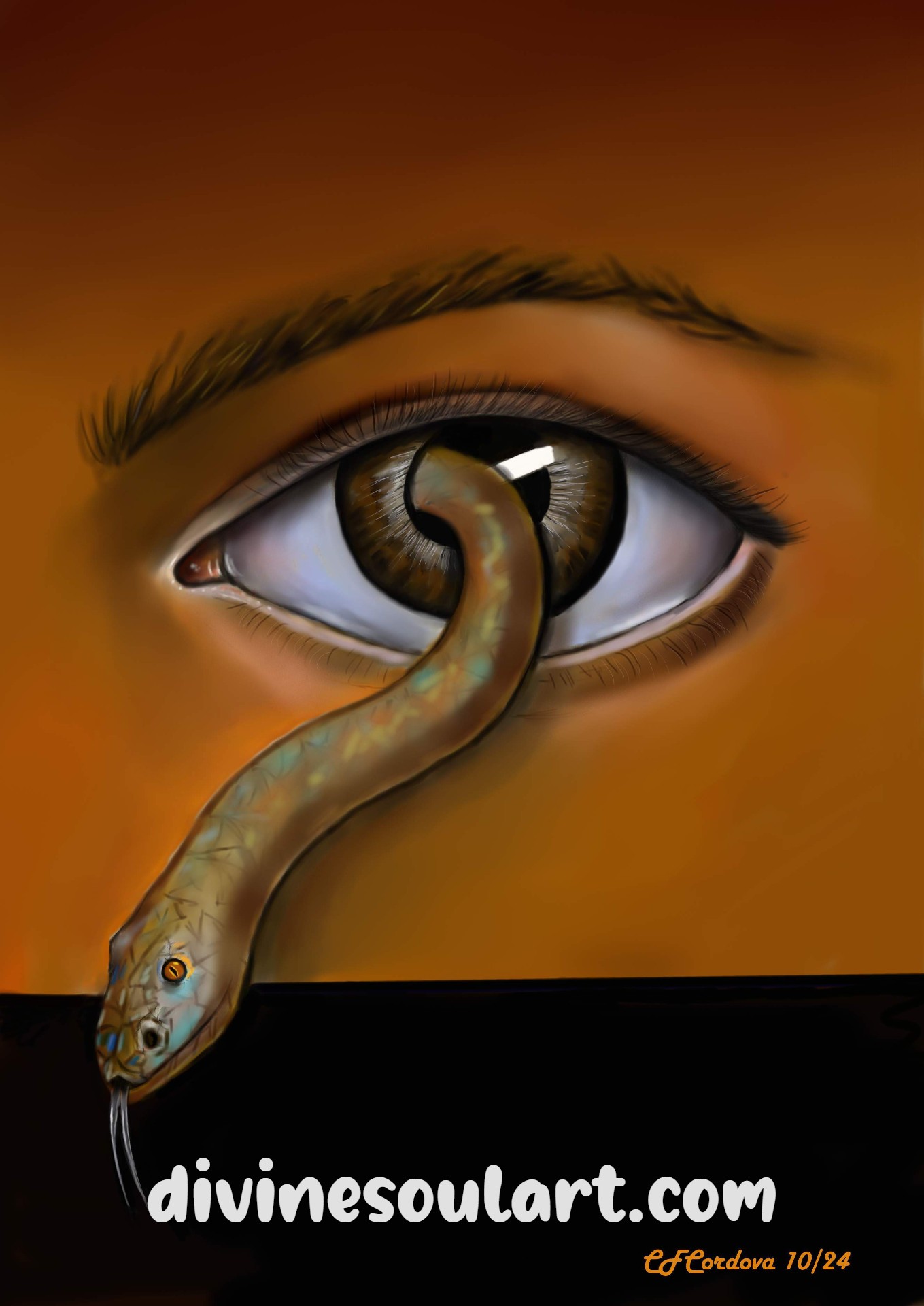
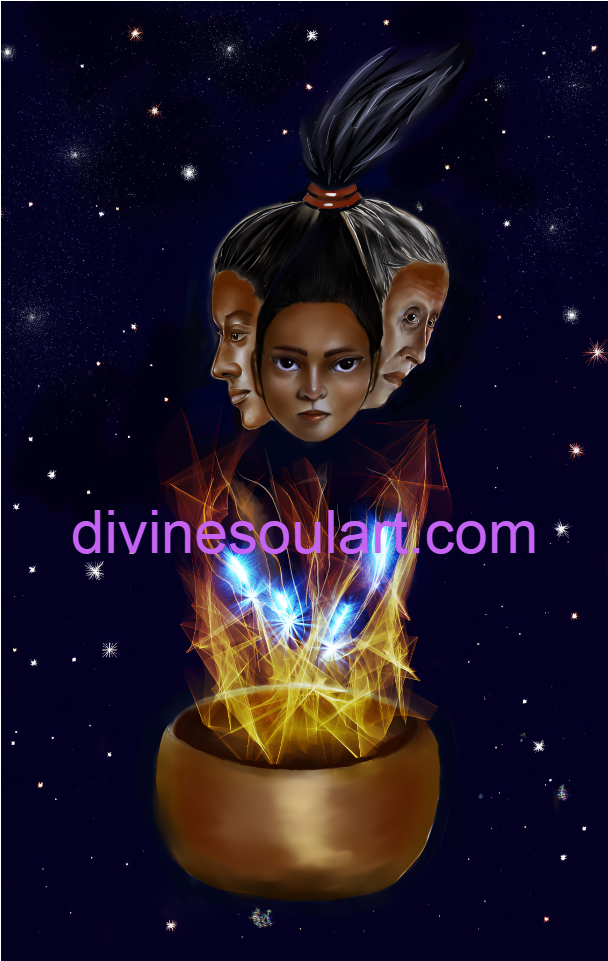
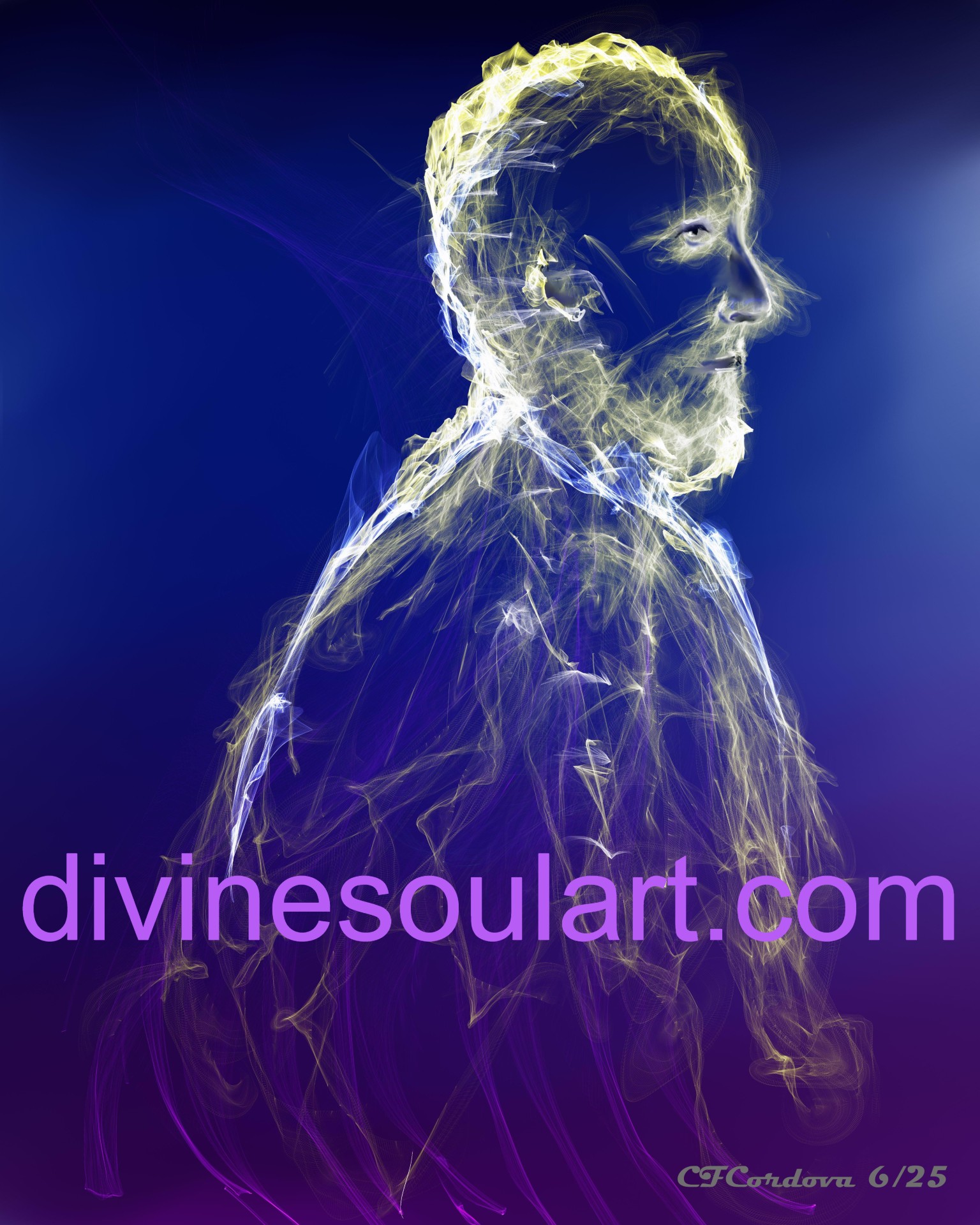
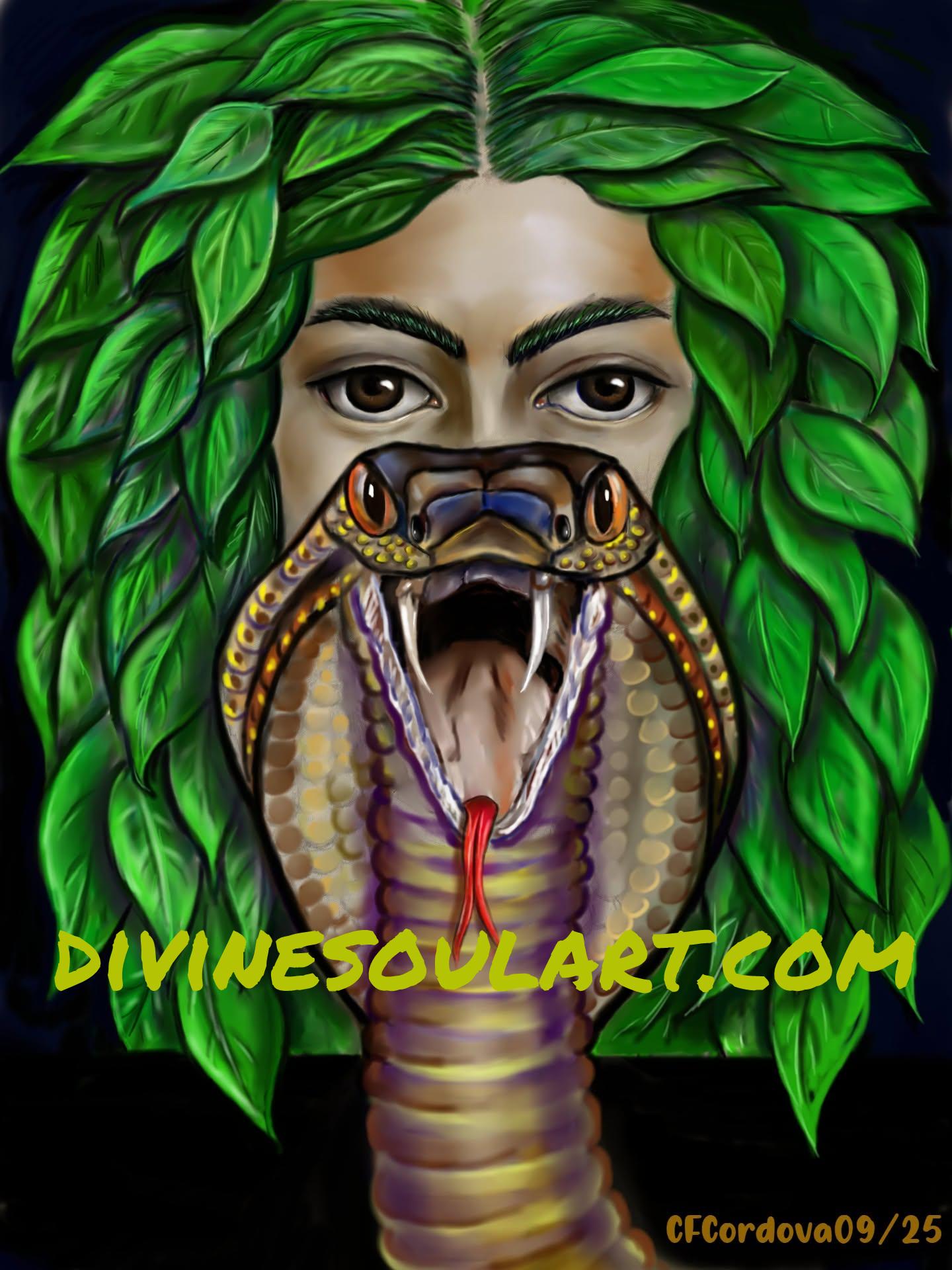
My Spirit in Art Gallery
I find immense meaning and serenity in spiritual painting and art.
As you explore the spiritual artwork on this page and elsewhere, I encourage you to let the art envelop you and guide you on a journey of spiritual discovery and connection with the spirit world.
Try to focus deeply and sense its energy. See if it resonates with your soul; if it does, it may be guiding you to explore your inner spiritual self. Don't be afraid to let go.
Allow the art to open you and release inner emotions.
Remember, each image's interpretation is subjective. Take your time observing the artwork and noticing if it evokes any emotions or thoughts. Go with the energy to establish a personal connection.
So, sit back and enjoy the experience.
Wishing peace and blessings to all who explore my gallery.
Enjoy your experience!
The Spirit in Art Gallery
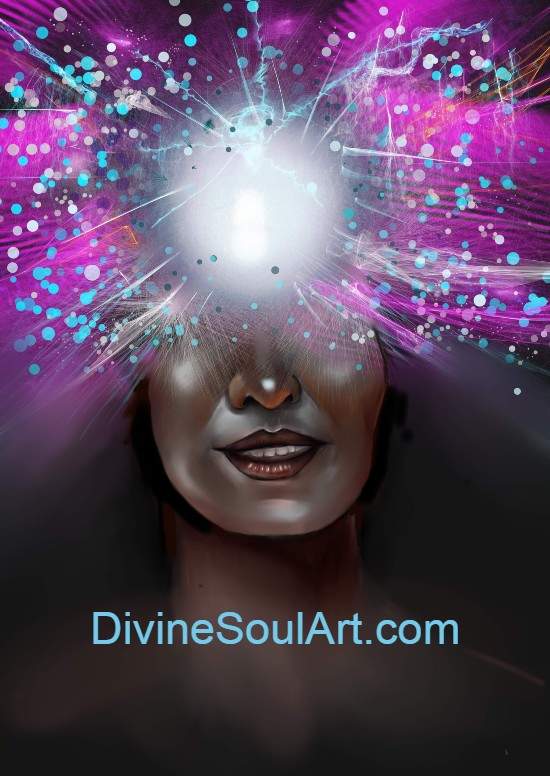 Spiritual Enlightenment
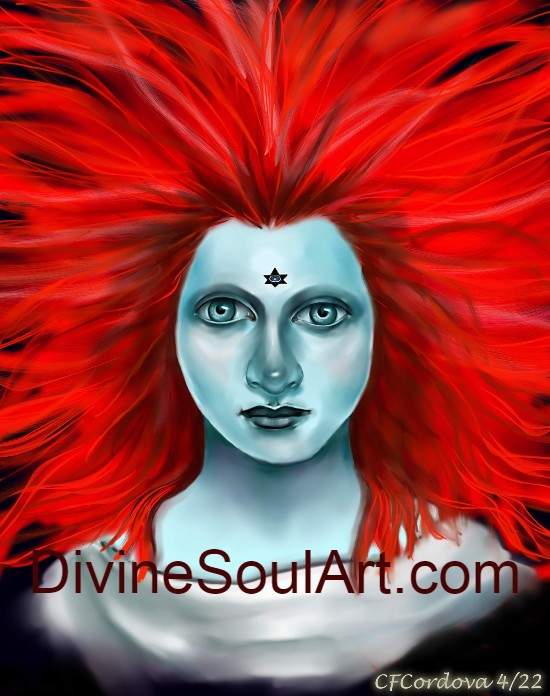 Spirit Wind
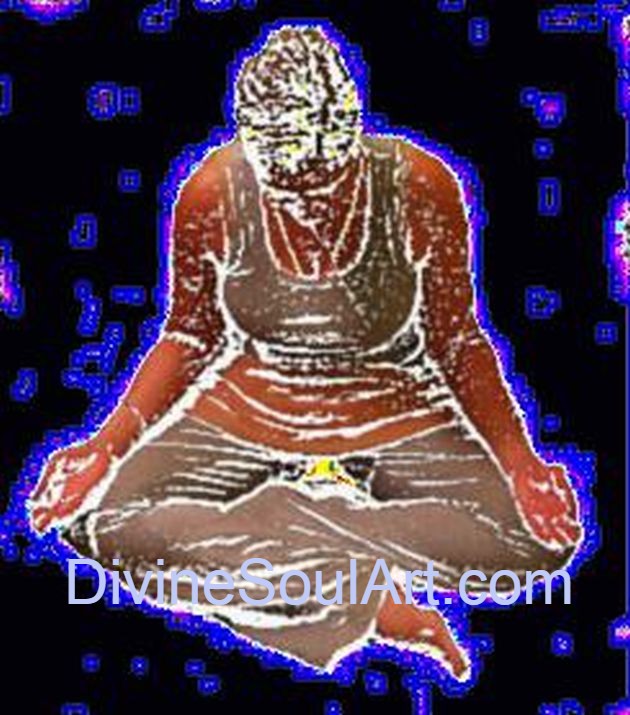 Letting Go
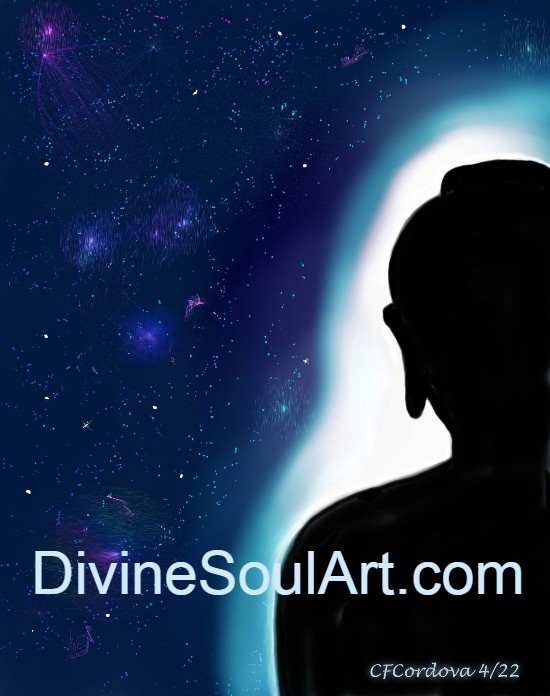 Inner Bliss
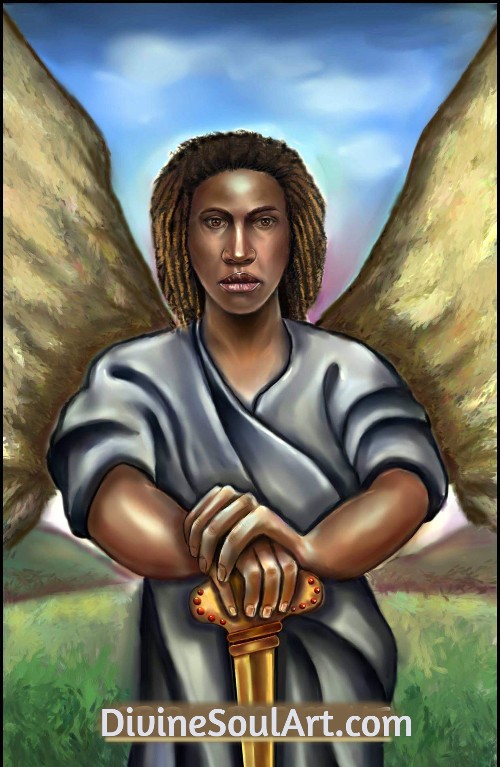 Saint Michael
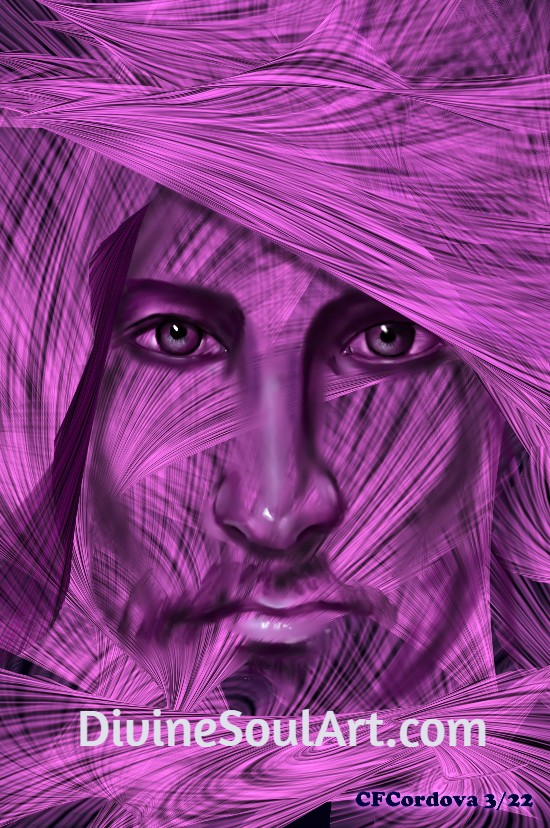 Jesus is here
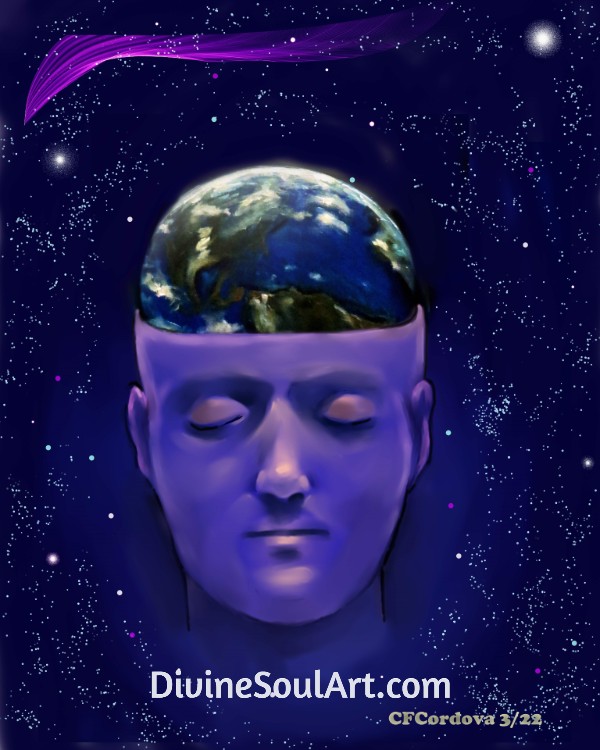 Please wake up......
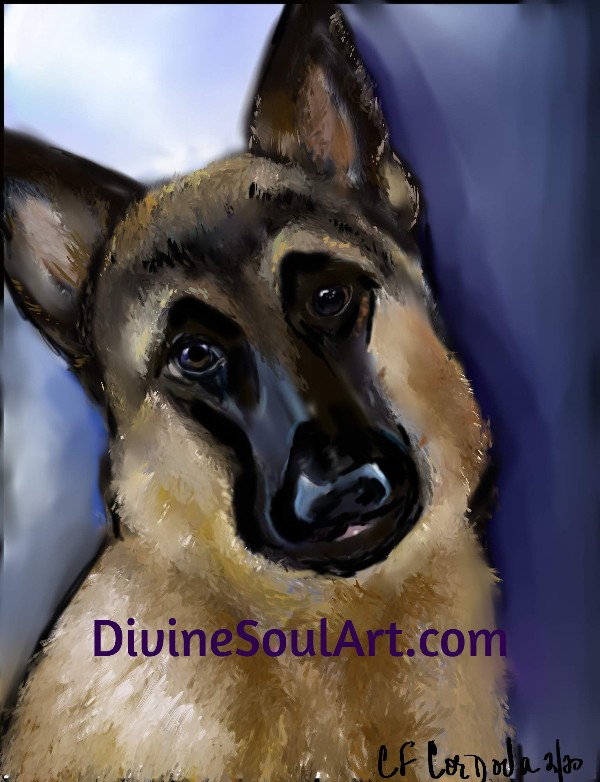 Dog-Friend and Protector
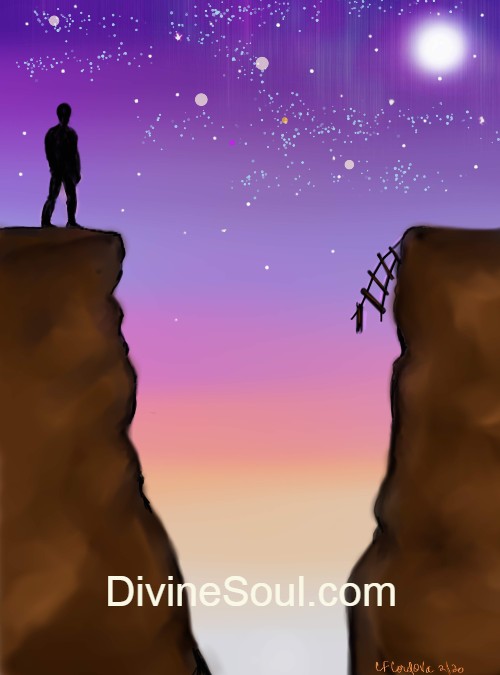 The Spiritual Journey
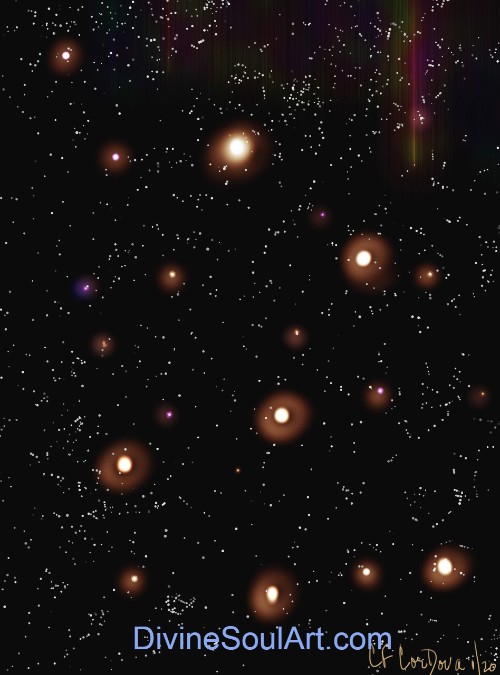 The Universe
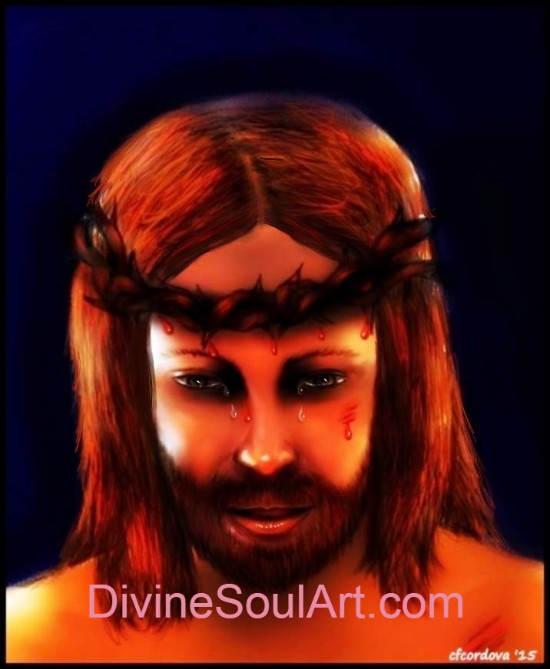 Jesus Christ
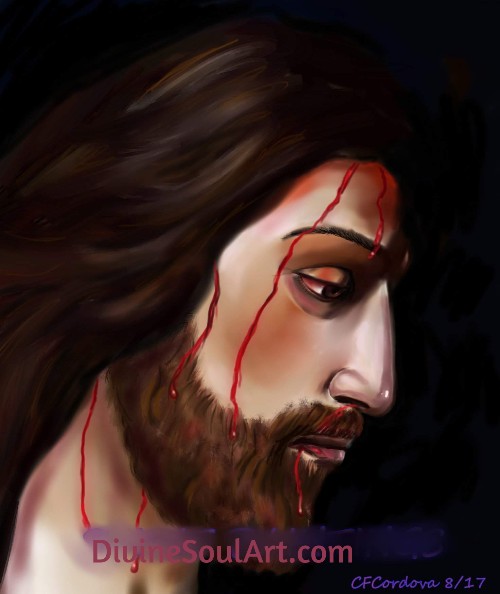 Blood of Jesus
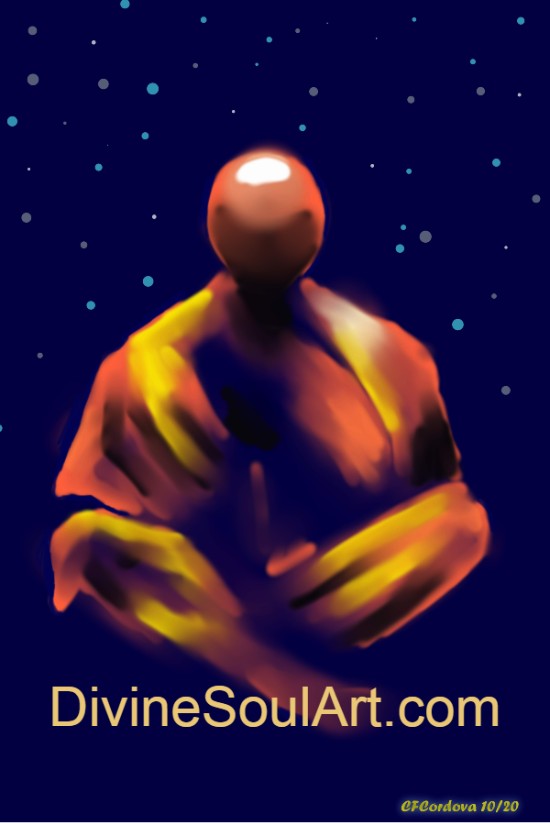 Meditation 1
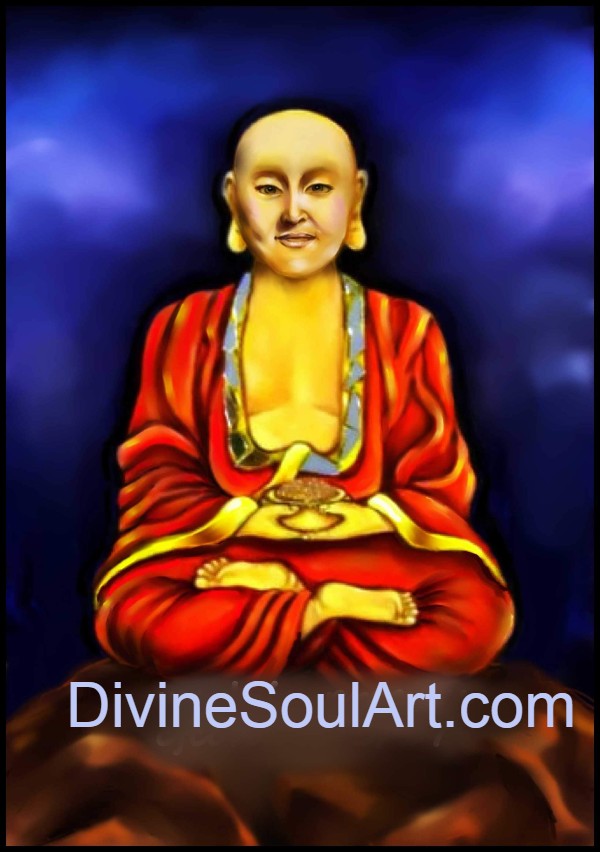 Meditation 2
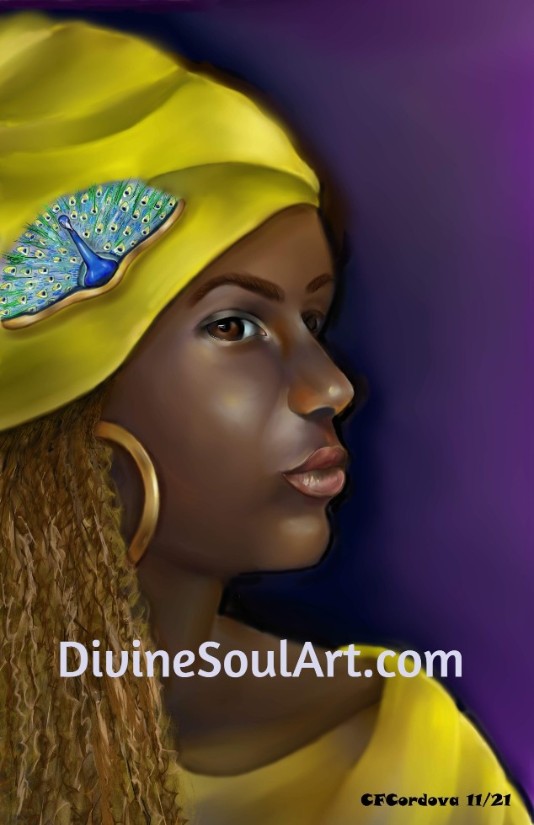 Oshun-Orisha
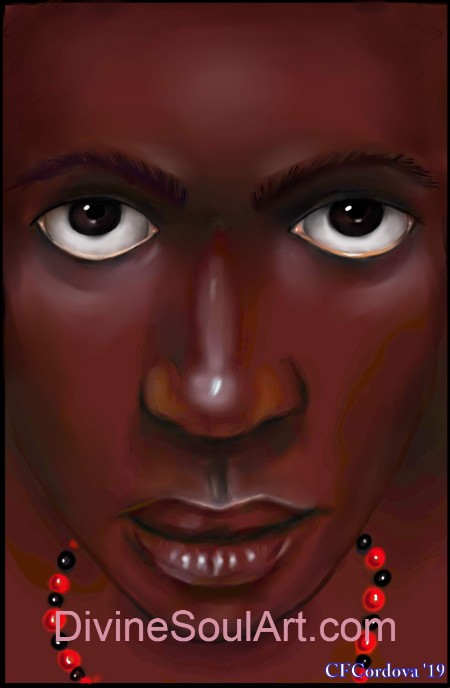 Elegua-Orisha
 |
 |
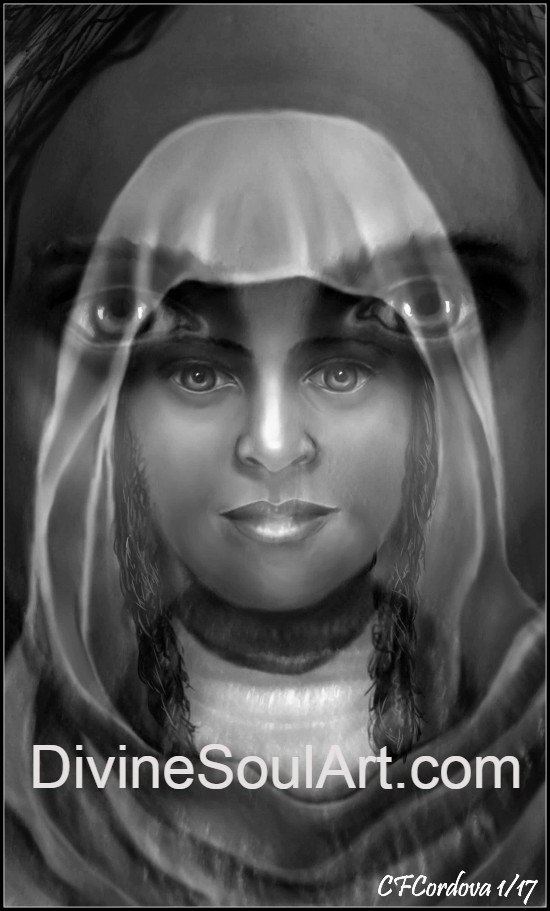 Mary and Jesus
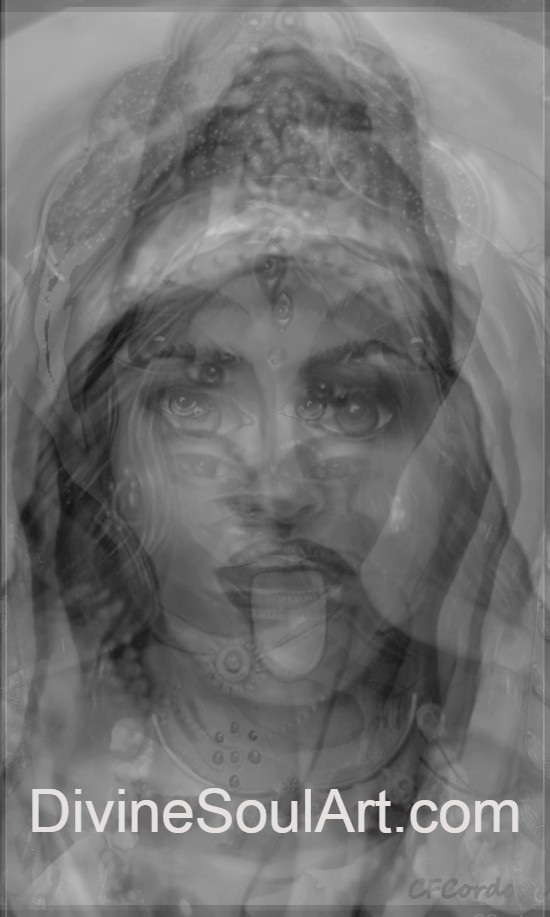 Goddesses
 Alien 1
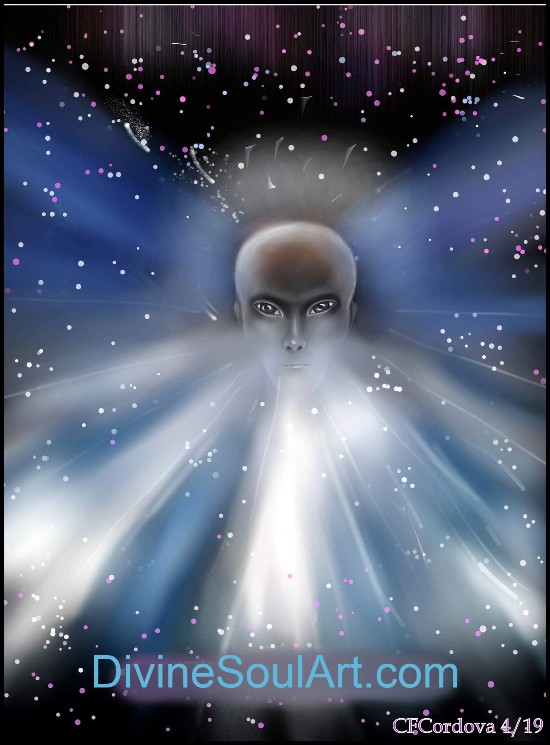 Alien 2
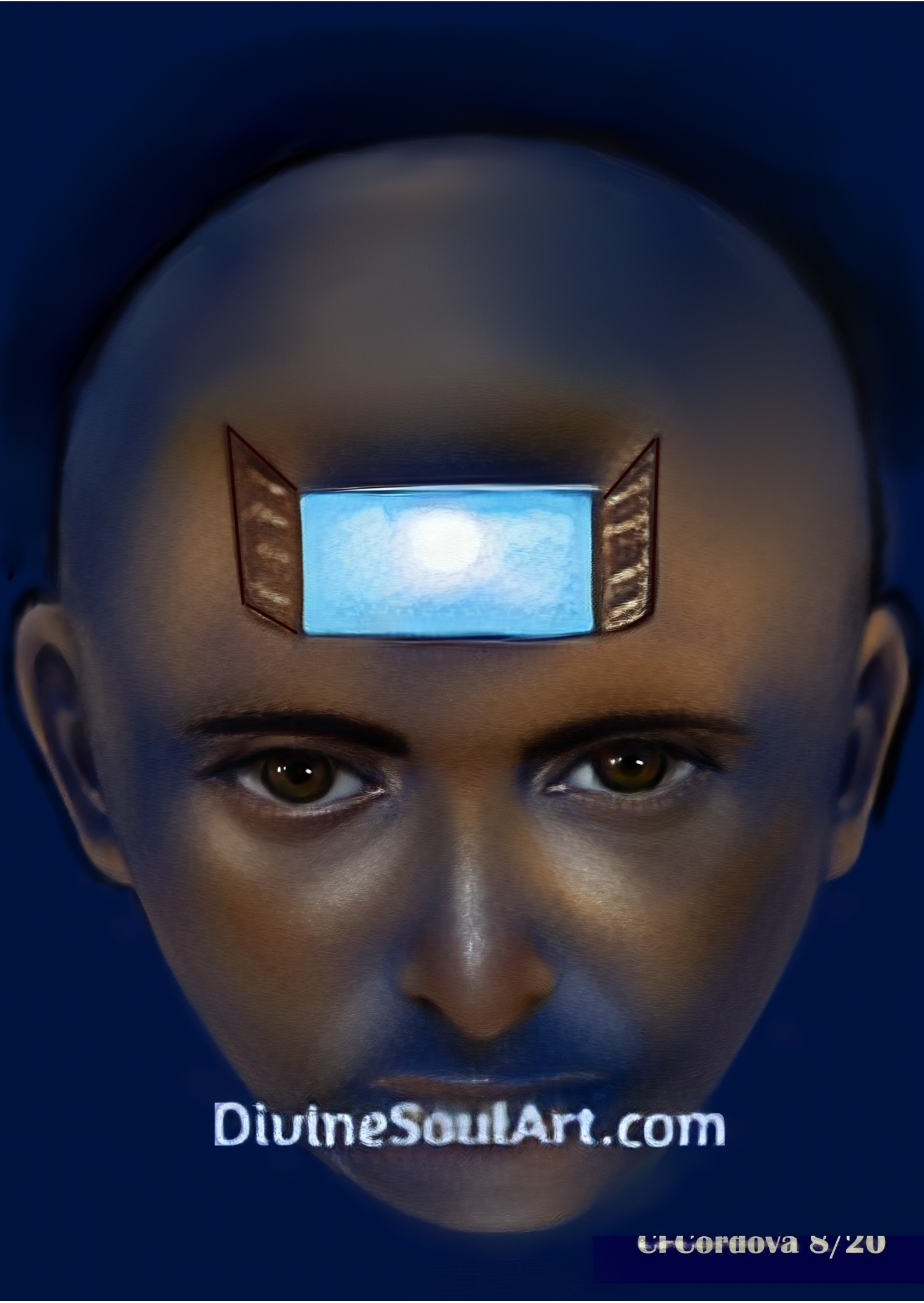 Opening the Third Eye
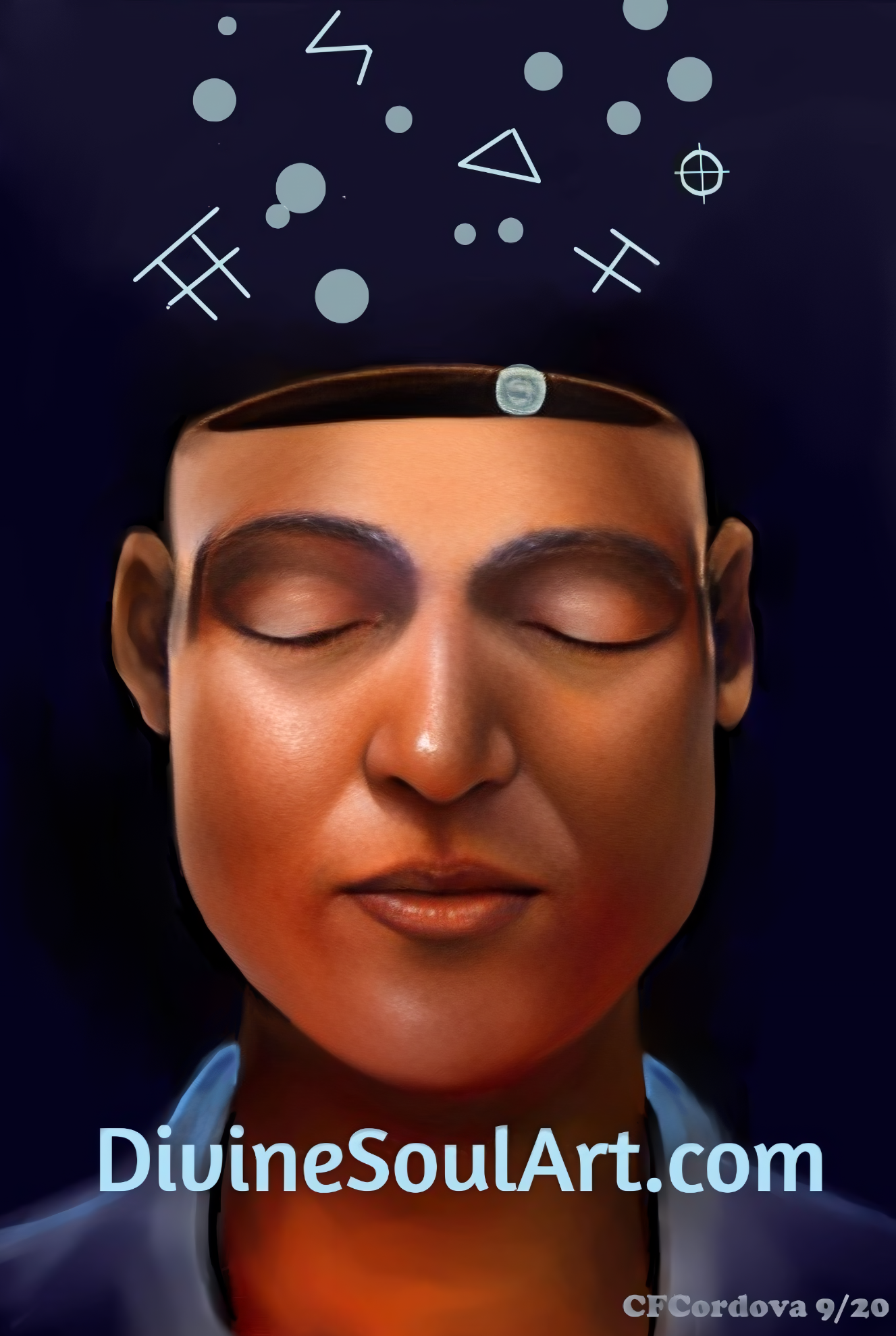 Spiritual Download
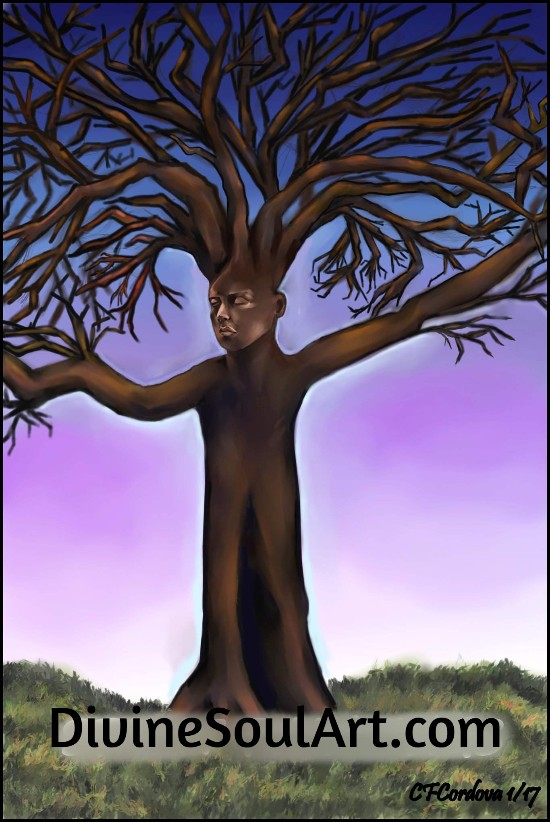 Spiritual Reality
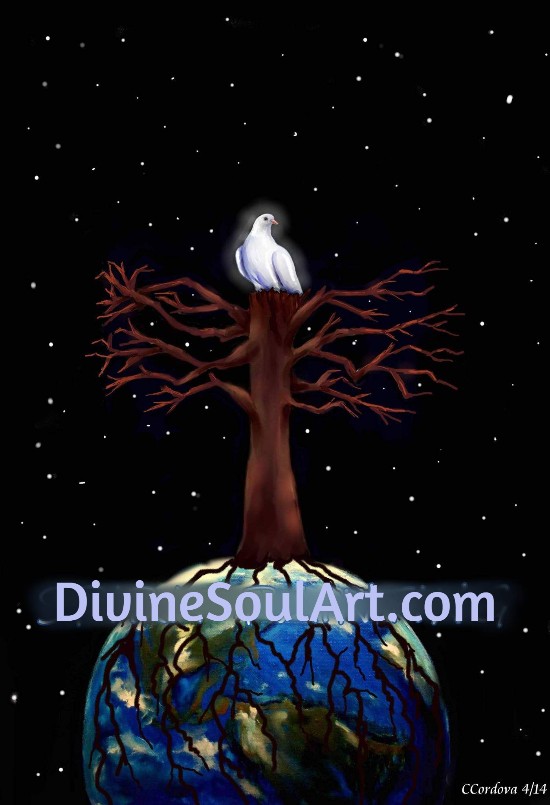 Spiritual Hope
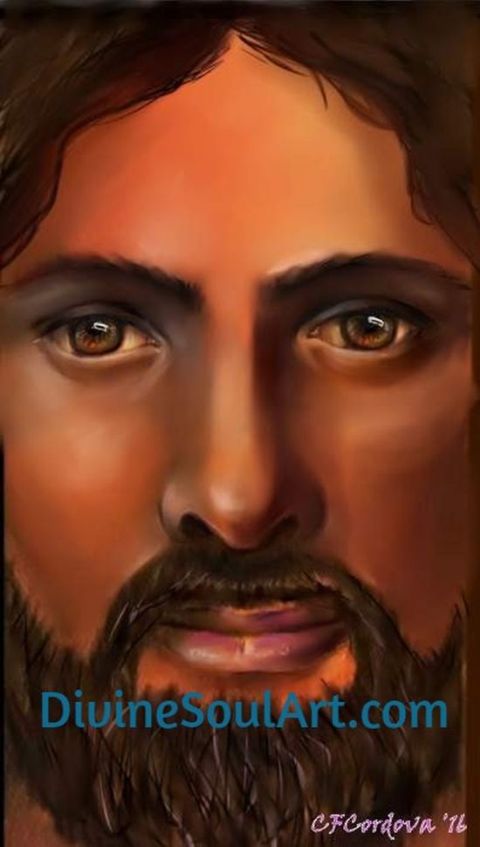 Jesus
Jesus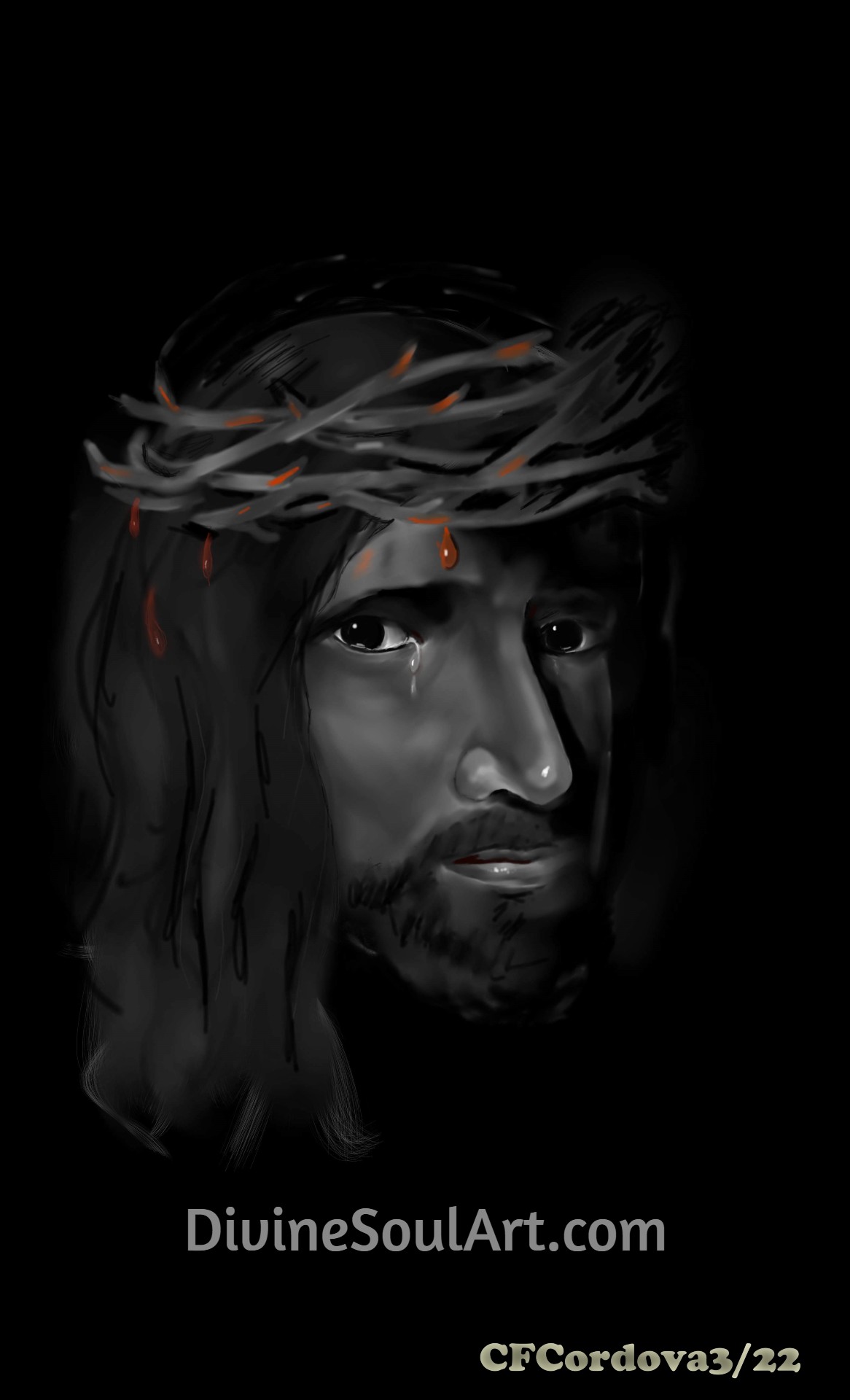 The Christ
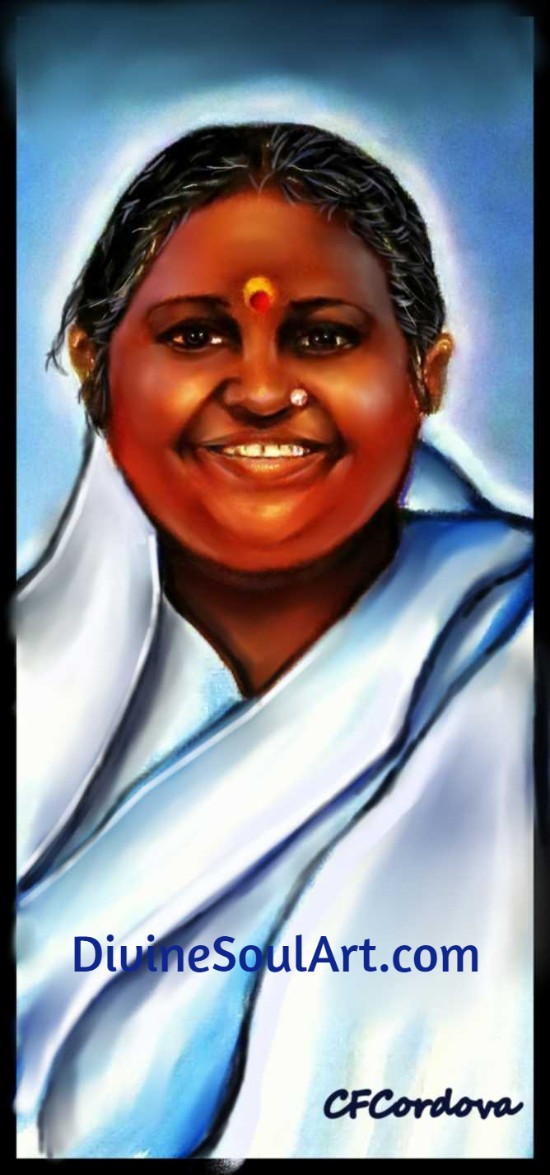 Amma Amma |
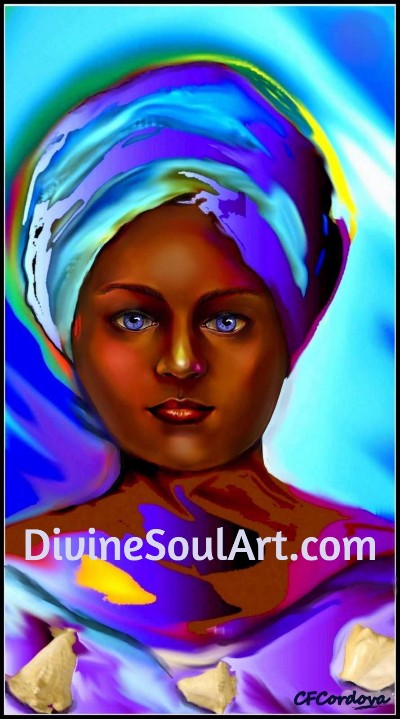 Yemaya Yemaya |
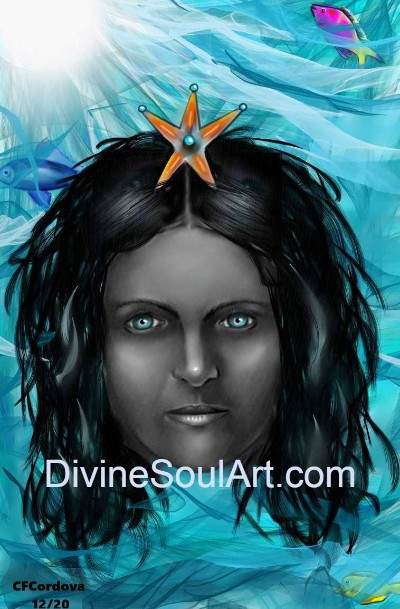 Yemaya-Goddess of the Ocean
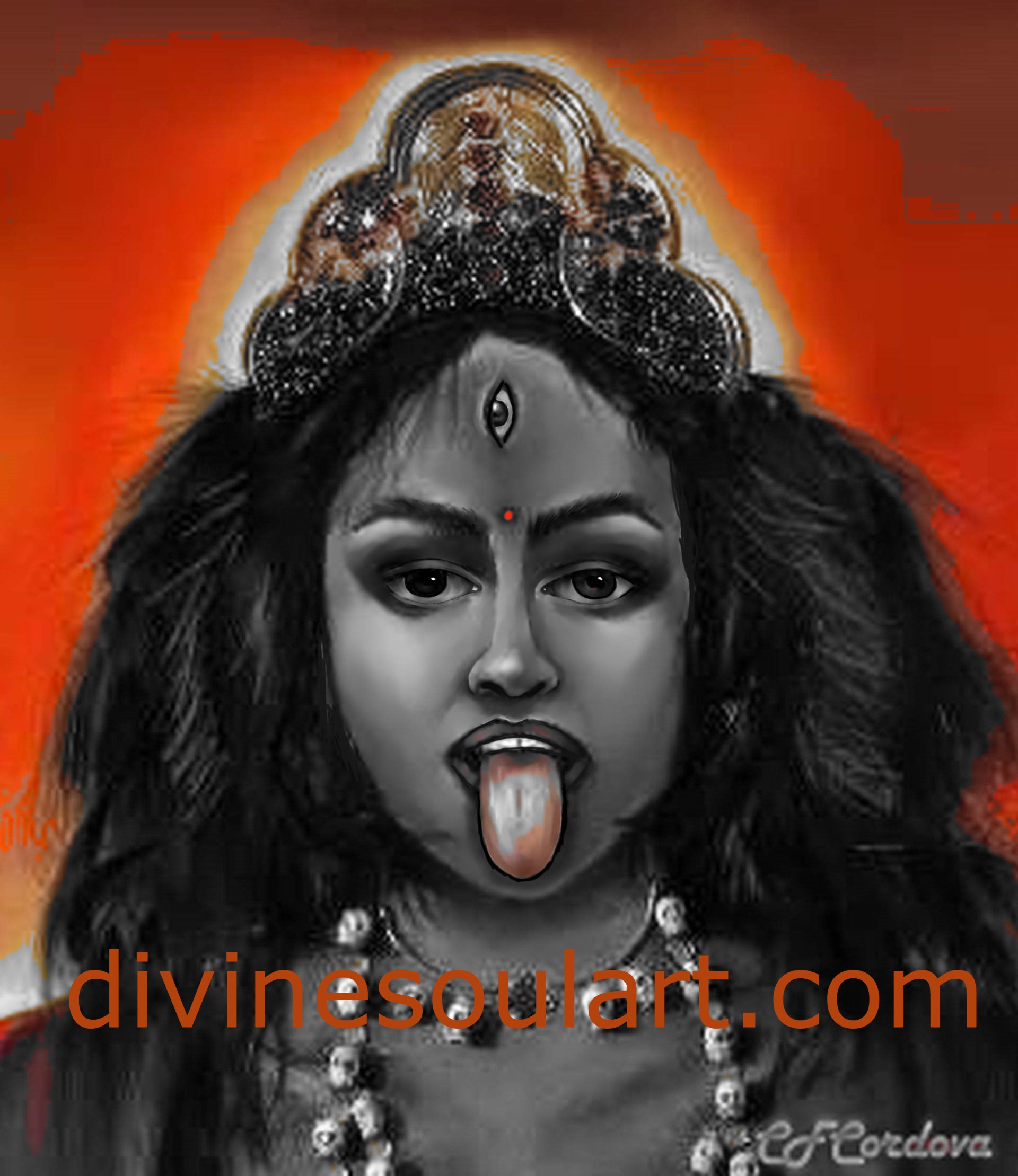 Kali- Hindu Goddess
|
Broken Path |
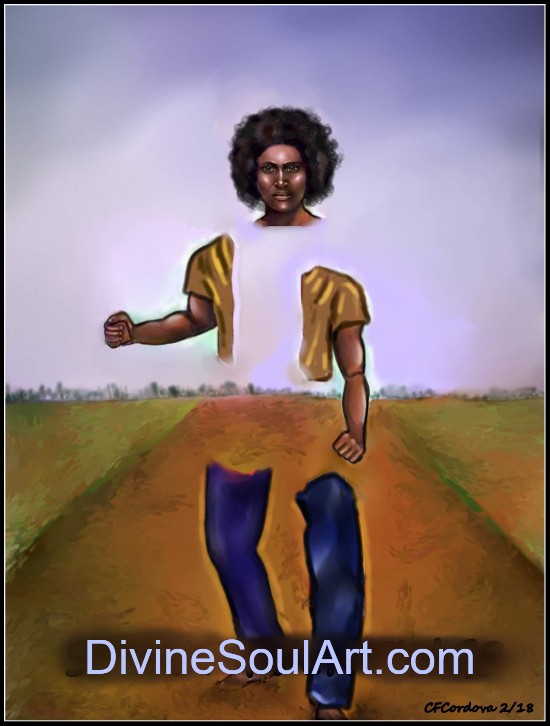 Disconnected Disconnected |
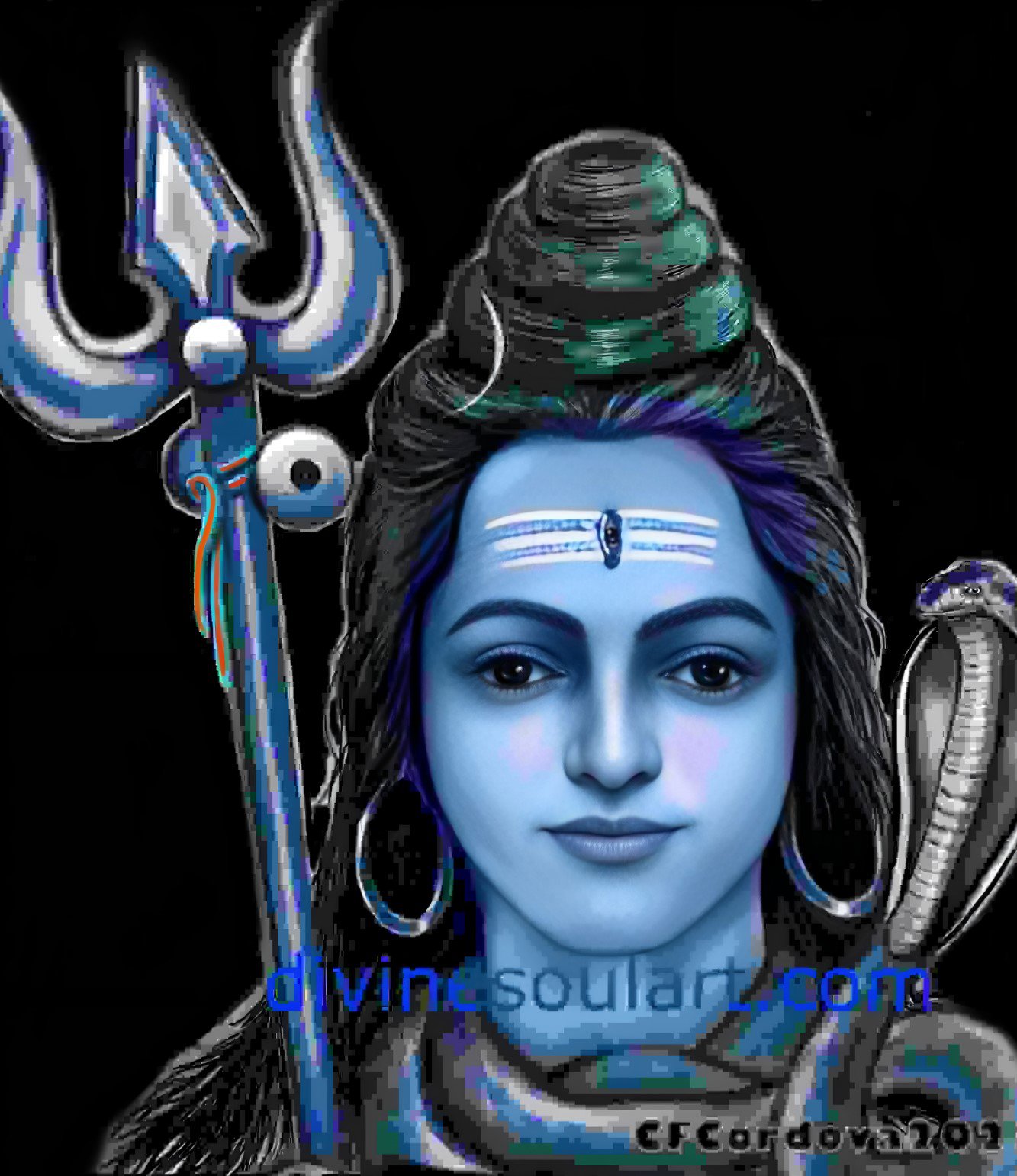 Shiva Shiva |
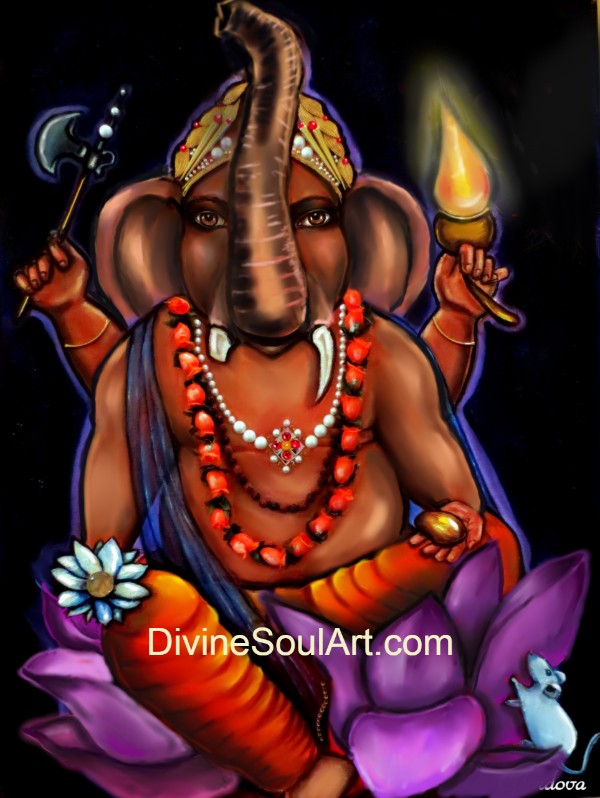 Ganesha Ganesha |
|
 |
Summary
In our exploration of spirit art, we embark on a journey through a landscape that is rich with emotion, creativity, and profound spiritual connection. This unique form of artistic expression highlights the significant role of spiritual mediums, who act as channels for communication between the physical and spiritual realms. The artworks themselves, often characterized by an ethereal quality, serve as a bridge that allows us to glimpse the intricate interplay between both worlds.
The practice of automatic drawing, a key technique in spirit art, further enriches this connection. This method reveals the hidden depths of the subconscious mind, allowing artists to tap into thoughts and feelings that may lie just beneath the surface of conscious awareness. As the lines and shapes emerge on the page, they often reflect profound emotional truths, inviting viewers to engage with the artwork on a more profound level.
As we conclude our journey into the realm of spirit art, we are left with a powerful reminder of the transformative nature of art. It can connect us with deeper truths and invisible realities that shape our understanding of existence. Whether you identify as an artist seeking to express your inner visions or as an art enthusiast eager to appreciate the beauty and mystery of this genre, spirit art encourages you to push the boundaries of creativity and spirituality. It inspires you to view the world through a fresh lens, fostering a deeper appreciation for the connections that bind us all to the unseen energies around us.
If you are an emerging spirit artist, don't hesitate to showcase your artwork. Whether you're drawing or painting spirit portraits of deceased loved ones or spirit guides or creating spiritual abstract pieces, be proud and grateful for your connection to the spirit realm.
Related Articles
Art Gallery Mugs
All rights reserved. All images contained herein may not be reproduced, and/or downloaded without written permission.
Click below and views more than 600 pieces of spiritual artwork

Spiritual Books
If you enjoy the articles on this website, you will also appreciate the short stories in the books below. Click here and continue the journey.