What Does Forgiveness Mean?
 What does forgiveness mean? - Light for those who seek Forgiveness
What does forgiveness mean?
Forgiveness is one of the most misunderstood concepts in human relationships. People often confuse it with weakness, forgetting, or letting someone off the hook—but none of these capture what forgiveness actually involves. Understanding what forgiveness truly means can transform how you approach past hurts, current relationships, and even how you treat yourself after making mistakes.
Forgiveness:
Forgiveness means releasing.
Forgiveness means inner freedom.
Forgiveness means inner peace.
Forgiveness means moving on and starting a new chapter.
What Does Forgiveness Mean?
 Better mental health - seek forgiveness
Forgiveness means intentionally releasing resentment, bitterness, and the need for revenge against someone who has hurt you—while still acknowledging that the wrong was real and serious. It is not about pretending the harm didn't happen or declaring the offender innocent. Instead, forgiveness separates your emotional freedom from the other person's behavior.
This is a conscious, deliberate decision rather than a sudden emotion. Many people wait to “feel” forgiving before they act, but the process typically works the other way around. You choose to forgive, and your feelings gradually catch up over weeks or months. Research in psychology confirms that forgiveness is a cultivable character strength, not just a spontaneous feeling that either arrives or doesn't.
Consider a concrete example: imagine a close friend betrayed your trust by sharing something deeply personal without permission. True forgiveness doesn't mean you suddenly feel warm toward them or that what they did was acceptable. It means you choose to release feelings of resentment so that the betrayal no longer controls your emotional life. You can still remember what happened, still recognize it was wrong, and still decide what kind of relationship (if any) you want going forward.
Forgiveness allows you to remember an event without being emotionally controlled by it. The memory remains, but the intensity of anger, the replaying of the scene, and the fantasies of revenge gradually lose their grip. This is what researchers call the difference between decisional forgiveness (the conscious choice to let go) and emotional forgiveness (the deeper, slower reduction of hostile feelings over time).
One of the most liberating aspects of forgiveness is this: you can offer it even if the other person never apologizes, never admits fault, or has passed away. Forgiveness is primarily an inward, personal act. It does not require the offender's participation, understanding, or even awareness.
Many religious and philosophical traditions—from ancient Stoicism to the teachings in the bible—frame forgiveness as “letting go” or “canceling a debt.” This metaphor captures something important: when you forgive, you are not erasing what happened but choosing to stop demanding repayment for a debt that can likely never be repaid.
.
What Forgiveness Is Not
Many people resist forgiveness because they confuse it with things it absolutely is not. Clearing up these misconceptions is often the first step toward genuine healing.
- Forgiveness is not forgetting. You don't have to erase the memory or pretend the event never occurred. In cases of serious harm—such as abuse, betrayal, or violence—remembering is often part of staying safe and protecting yourself from future harm.
- Forgiveness is not excusing, condoning, or minimizing. You can forgive someone while still calling their act wrong and harmful. Forgiveness doesn't mean saying “it was okay” or “it wasn't that bad.” The transgression remains a transgression.
- Forgiveness is not the same as reconciliation. These are two separate processes. You can forgive someone fully in your heart yet choose not to restore the relationship, especially when trust is broken or your safety is at risk. Reconciliation requires both parties; forgiveness can be entirely one-sided.
- Forgiveness does not mean surrendering your boundaries. In fact, healthy forgiveness often goes hand-in-hand with clearer limits. After events like betrayal or emotional abuse, you might forgive while simultaneously reducing contact or redefining what you will and won't accept.
- Forgiveness does not mean abandoning justice. You can forgive someone internally while still supporting legal consequences. If someone committed fraud, assault, or another crime against you, pursuing punishment through proper channels is entirely compatible with releasing personal vengeance from your heart.
- Forgiveness does not require you to feel close, warm, or affectionate again. Emotional distance can remain appropriate even after forgiveness. You're not obligated to trust, like, or spend time with someone simply because you've chosen not to carry resentment toward them anymore.
Why Is Forgiveness So Difficult?
If you struggle with forgiveness, you're in good company. Research suggests that approximately 60% of people cite an unrepentant offender as a major barrier to forgiving. Difficulty with forgiveness often reflects the depth of the wound and a strong sense of justice—not a character flaw.
Emotional barriers make forgiveness hard. Many people fear that forgiving means the hurt “didn't matter” or that they're inviting more harm. There's also a common worry that forgiveness somehow makes injustice seem acceptable. None of these fears is accurate, but they feel very real.
Cognitive patterns deepen the challenge. When you replay the story repeatedly in your mind, seek mental “re-trials,” or imagine different outcomes, you strengthen neural pathways associated with bitterness. Rumination—going over and over what happened—can trap you in a loop that makes release feel impossible.
Identity can become tied to pain. When you've been harmed repeatedly, the wound can become part of your self-story. You become “the person who was cheated on” or “the one whose parent was abusive.” Letting go of resentment can feel threatening because it means letting go of part of how you understand yourself.
Social and cultural barriers compound the difficulty. Friends or family members may encourage you to “hold onto your anger” or treat forgiveness as weakness. Some cultures emphasize honor and vengeance in ways that make forgiveness seem like surrender or passivity.
Trauma adds complexity. When harm is severe, repeated, or occurred during childhood, the path to forgiveness often requires professional support. Simple self-help steps may not be enough. Trauma survivors may need therapy to process experiences before forgiveness work can even begin.
If you find forgiveness hard, it does not mean you are petty or bad. The struggle often reflects how deeply you were affected.
What Forgiveness Does to Your Mental Health: Emotional, Physical, and Spiritual Effects
Forgiveness primarily changes the forgiver, not the offender. This is perhaps the most important point to understand. While the person who harmed you may never know or care that you've forgiven them, you will experience measurable benefits, such as better mental health.
Emotional Healing Benefits
The psychological benefits:
Forgiveness reduces anger, rumination, and the mental energy spent replaying painful events. This creates more capacity for happiness, peace, and presence in daily life.
Physical Benefits
The connection between forgiveness and physical health is stronger than many people realize:
- Lower blood pressure (approximately 10% hypertension reduction in some studies)
- Reduced cortisol levels (the stress hormone)
- Strengthened immune function
- Better sleep quality
- Potential longevity benefits—one study linked forgiving attitudes to 10+ additional years of life
Carrying resentment creates chronic stress, and chronic stress damages your body. When you release that burden, your physiology responds.
Remember, high blood pressure is dangerous.
Relational Benefits
Even when you don't reconcile with the offender, forgiveness can soften your communication patterns and reduce conflict cycles in other relationships. People who practice forgiveness report finding it easier to build new, secure relationships. The bitterness doesn't spill over.
Spiritual and Existential Benefits
Many people report feeling more aligned with their values after forgiving. There's a sense of release, of meaning, of being freed from something that had too much power. For religious individuals, forgiveness often brings a sense of closer connection to god or alignment with spiritual teachings about compassion and mercy.
A caution: Forgiveness is not a cure-all. Some pain and grief may remain. But they become less corrosive and less central to your identity. Pay attention to small changes—fewer intrusive thoughts, less physical tension—as early signs that forgiveness work is bearing fruit.
How to Move Toward True Forgiveness Step by Step
 Understanding Forgiveness - Releasing Negative Feelings -
Feelings of Resentment.
Understanding Forgiveness - Releasing Negative Feelings -
Feelings of Resentment.Forgiveness is a process, not a switch you flip. The timeline differs based on the severity of harm—a harsh comment might be processed in days, while childhood abuse could take months or years of gradual work.
First Step: Honestly: Name the Hurt
Begin by acknowledging what happened, when it began, and how it affected you emotionally and physically. Be specific. Vague feelings are harder to release than clearly identified wounds.
Consider journaling or talking to a trusted friend. Getting the story out of your head and into words helps you see it more clearly.
Second Step: Allow Your Emotions
Give yourself permission to feel anger, sadness, and betrayal without judgment. Rushing into forced niceness or premature spiritual platitudes often backfires. Your negative feelings are valid responses to real harm.
This step can take time. Some people need weeks or months to fully feel what they've been suppressing.
Third Step: Separate the Person from the Action
Recognize that people are more than their worst moment while still acknowledging their responsibility. This doesn't excuse what they did—it simply acknowledges that human beings are complex.
This separation makes compassion possible without condoning the behavior.
Fourth Step: Make an Internal Decision
At some point, you make a deliberate decision to release your demand for revenge or repayment. You might visualize canceling a debt, setting down a heavy stone, or releasing something into the wind.
This is the core act of forgiveness—the moment you stop requiring that the offender “pay” for what they did.
Fifth Step: Set or Revise Boundaries
Forgiveness often goes hand-in-hand with wiser boundaries. Based on what you've learned, you might limit contact, redefine expectations, seek mediation, or involve a counselor.
Forgiving someone doesn't mean giving them the same access to your life they had before.
Sixth Step: Ongoing Maintenance
Resentment often resurfaces—at holidays, anniversaries, or during new conflicts. When this happens, gently reaffirm your decision to forgive. This isn't failure; it's simply how the healing process works.
Practices like prayer, meditation, or regular therapy sessions can help maintain your commitment over time. The REACH model (Recall, Empathize, Altruistic gift, Commit, Hold) has shown in randomized trials to boost forgiveness rates by 35% among participants.
NOTE: One thing is to say I forgive you, and another is to truly mean it.
Self-Forgiveness: When You Are the One Who Needs Mercy
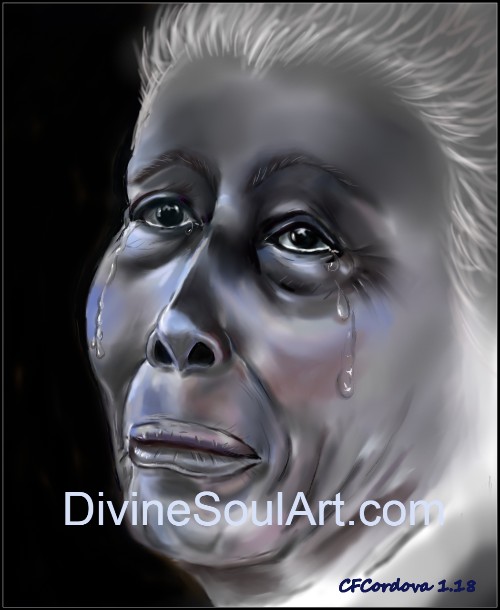
Many people find forgiving themselves harder than forgiving others. After serious mistakes—causing a car accident, betraying a partner, failing a child—the weight of guilt and shame can feel unbearable.
Self-forgiveness differs from other forms of forgiveness because you are both the offender and the one who must release resentment. This creates unique challenges.
Distinguishing Guilt from Shame
Healthy guilt signals that you've done something wrong. It says, “I made a mistake.” This kind of guilt motivates repair and growth.
Toxic shame, on the other hand, convinces you that you are irredeemably bad. It says, “I am a mistake.” Self-forgiveness addresses toxic shame—the voice that tells you that you don't deserve mercy or a second chance.
The Self-Forgiveness Process
- Honestly acknowledge the harm caused. Don't minimize, but don't catastrophize either.
- Take responsibility without denial or deflection.
- Make amends where possible. Sometimes this means apologizing; sometimes it means changing behavior; sometimes direct amends aren't possible.
- Learn specific, concrete lessons for the future. What will you do differently?
- Practice compassionate self-talk. Replace “I'm a monster” with “I made a serious mistake, I'm taking responsibility, and I'm choosing to grow.”
When Others Won't Forgive You
Sometimes you seek forgiveness from someone who won't grant it—or can't, because the relationship is severed or the person has died. Your inner work must continue regardless of their response. You cannot control whether others forgive you, only whether you do the work of genuine repentance and growth.
Religious individuals often find practices like confession, prayer, or rituals of repentance helpful. Others use therapy, support groups, or reflective writing. Studies show that self-forgiveness interventions can reduce guilt by 40% and cut suicidality by 28%.
Self-forgiveness is not letting yourself off the hook cheaply. It means integrating the lesson, accepting consequences, and choosing not to live forever imprisoned by past choices. You can feel guilty about what you did while refusing to let that guilt define your entire identity.
Does Forgiveness Require Reconciliation or Change?
Forgiveness, reconciliation, and trust are related but distinct concepts. Confusing them leads to unnecessary pain and sometimes dangerous choices.
Forgiveness- Releasing resentment internally- Only you
Reconciliation- Rebuilding the relationship- Both parties
Trust- Confident reliance on someone- Earned over time
Forgiveness Without Reconciliation
It is possible—and sometimes necessary—to forgive without reconciling. Consider cases involving:
- Ongoing abuse with no evidence of genuine change
- Addiction without treatment
- Repeated patterns of harm with no accountability
- The offender's refusal to acknowledge wrongdoing
In these situations, forgiveness can occur entirely within you, even when contact remains severed. You release the bitterness; you don't restore the relationship.
Trust Must Be Earned
Forgiving someone doesn't mean immediately trusting them with the same level of access or intimacy. Trust is rebuilt through consistent behavior over months or years—not through promises or apologies alone.
If someone betrayed you in 2023, they don't automatically regain trust in 2024 just because you've forgiven them. Trust requires evidence of sustained change.
When the Offender Never Changes
Sometimes the person who hurt you never apologizes, never admits fault, or actively denies wrongdoing. Your decision to forgive is about your freedom, not their behavior. You are not waiting for them to give you permission to heal.
Examples of this principle in practice:
- Choosing no contact with an abusive parent while releasing hatred internally
- Co-parenting with a difficult ex-spouse while maintaining clear, legal boundaries
- Forgiving a deceased relative who can never apologize
When deciding whether reconciliation is wise or safe in your specific situation, seeking counsel from a therapist, wise mentor, or faith leader is often valuable. Your own peace matters, but so does your safety—and sometimes those require different actions.
People Want to Know
1-How can I sincerely forgive and let go?
Sincere forgiveness begins with honestly acknowledging the hurt, allowing yourself to feel the emotions without rushing, and then making a conscious choice to release your demand for revenge or repayment. It helps to use a concrete visualization—like setting down a heavy stone or canceling a debt, or letting go of a balloon full of your hurt feelings to the wind.
The keyword is “practice.” Forgiveness often requires reaffirming your decision multiple times, especially when old feelings resurface. Many people find that journaling, therapy, prayer, or meditation supports the process. Sincerity comes from doing the internal work rather than just saying the words.
2-Is forgiveness a sign of weakness?
Forgiveness is not weakness—it requires significant strength. Holding onto resentment often feels easier because it's passive; you simply keep doing what you're already doing. Choosing to forgive requires active effort, emotional courage, and the discipline to let go of something your brain may want to hold on to.
Studies show that people who forgive experience better mental health, lower stress, and greater well-being—outcomes that require resilience, not weakness.
3-How can I forgive myself for my wrongdoings?
Self-forgiveness involves acknowledging what you did, taking genuine responsibility, making amends where possible, and then consciously releasing the toxic shame that tells you you're irredeemable.
Recognize the difference between healthy guilt (which motivates change) and toxic shame (which imprisons you). Practice speaking to yourself with the same compassion you would offer a friend who made a mistake. If the guilt is severe, professional help from a therapist can make a significant difference.
4-What did Jesus say about forgiving?
Jesus emphasized forgiveness as central to spiritual life. In the Gospel of Matthew, when Peter asked how many times he should forgive someone who sins against him—suggesting seven times—Jesus responded, “Not seven times, but seventy-seven times” (Matthew 18:22), indicating that forgiveness should be unlimited.
The Lord’s Prayer includes “forgive us our sins, as we forgive those who sin against us,” linking receiving forgiveness to extending it. Jesus also demonstrated forgiveness from the cross, saying, “Father, forgive them, for they know not what they do” (Luke 23:34).
5-What did Buddha say about forgiving?
Buddhist teachings frame forgiveness differently than Western traditions, focusing on releasing attachment to anger and resentment as a path to inner peace. The Buddha taught that holding onto anger is like grasping a hot coal with the intent to throw it at someone else—you are the one who gets burned.
Forgiveness in Buddhism involves developing compassion for all beings, including those who have harmed you, recognizing that they, too, are caught in cycles of suffering. It's seen as a practice of liberation rather than a moral obligation to an offender.
6-What does Hinduism say about forgiving?
In Hindu tradition, forgiveness (kshama) is considered one of the highest virtues. The Mahabharata states, “Forgiveness is virtue; forgiveness is sacrifice; forgiveness is the Vedas; forgiveness is the Shruti.” It’s seen as essential for spiritual growth and liberation (moksha).
Hindu teachings emphasize that holding onto anger creates negative karma and keeps one bound to cycles of suffering. Forgiving others—and oneself—clears these karmic debts and supports spiritual evolution.
7-What is the true spiritual meaning of forgiveness?
Across spiritual traditions, forgiveness represents liberation—freeing yourself from the chains of resentment that bind you to past hurts. It's about recognizing that sustained anger harms the one who holds it more than the one it's directed toward.
Spiritually, forgiveness often involves seeing the humanity in the person who harmed you, acknowledging that all people are capable of wrong action, and choosing compassion over vengeance. It doesn't require denying harm, but it does require transcending the desire for revenge.
8-What is the connection between Forgiveness and Karma?
In traditions that include karma—such as Hinduism and Buddhism—forgiveness directly affects your karmic path. Holding onto resentment and seeking vengeance creates negative karma, binding you to cycles of suffering and potentially affecting future circumstances.
Forgiveness is seen as the release of this karmic debt. When you forgive, you stop the cycle of retribution that would otherwise continue generating negative consequences. This doesn't mean the offender escapes their own karma; it means you are no longer creating additional negative karma for yourself through hatred and revenge.
9-Is it ever too late to forgive someone who hurt me years ago?
Forgiveness does not have an expiration date. People commonly begin forgiving events from childhood or early adulthood decades later, when they finally have the support, insight, and emotional resources to do the work.
Late forgiveness can still bring significant relief—better sleep, less bitterness, and a new way of relating to current relationships. The original situation cannot be changed, but your relationship to it can. Consider starting by gently revisiting the story with a therapist or counselor rather than forcing an immediate decision.
10-Do I have to tell the person I forgave them?
You do not always need to inform the person. Forgiveness can be entirely private, especially if contact would be unsafe, destabilizing, or unwanted. The internal release is what matters most for your own peace and well-being.
Sharing your forgiveness might be appropriate when both parties genuinely want to heal the relationship and are open to honest conversation. Consider timing, safety, and your emotional readiness before deciding whether to communicate directly.
11-How long should forgiveness take?
There is no universal timeline. Minor offenses might be forgiven in days, while deep betrayals or trauma can take months or years of gradual work.
Focus on direction rather than speed. Notice small signs of progress—less intensity of anger, more neutrality, fewer intrusive thoughts—rather than pressuring yourself to “be over it.” External pressure from family, community, or religious circles to forgive quickly can be harmful and often ignores the reality of deep wounds.
12-Can I forgive and still feel angry sometimes?
Yes. Residual or resurfacing anger does not mean you have failed at forgiveness. Healing is layered, and certain triggers—dates, memories, similar situations—can bring up old pain even after you've done significant forgiveness work.
View occasional anger as an invitation to revisit and reaffirm your decision to forgive. Use calming practices or talk it through rather than assuming you need to restart from zero. However, if anger remains intense and constant, it may signal that more healing work is needed, possibly with professional help.
13-Should I forgive someone who is dangerous or abusive?
Your safety and the safety of any dependents (such as children) come first. Staying away from dangerous people or involving authorities is often necessary in abusive situations. No one should use forgiveness as pressure to remain in harm's way.
You can pursue internal forgiveness—releasing hatred and obsession with revenge—while maintaining strict boundaries, no contact, and legal or protective measures. If abuse is part of the picture, seek support from professionals trained in domestic violence or trauma. Forgiveness should never compromise your physical or emotional safety.
Summary
Forgiveness unfolds at your own time, and every small step toward releasing resentment is a step toward freedom. Whether you're working through a recent hurt or wounds that happened decades ago, the deliberate decision to forgive remains available to you. Start where you are, be patient with the process, and recognize that choosing peace over bitterness is one of the most powerful acts of self-care you can practice.
Remember: Forgiveness is about letting go, achieving emotional healing, and maintaining mental health balance.
Click below and views more than 600 pieces of spiritual artwork

Spiritual Books
If you enjoy the articles on this website, you will also appreciate the short stories in the books below. Click here and continue the journey.